Bette Davis
83% Profile Match
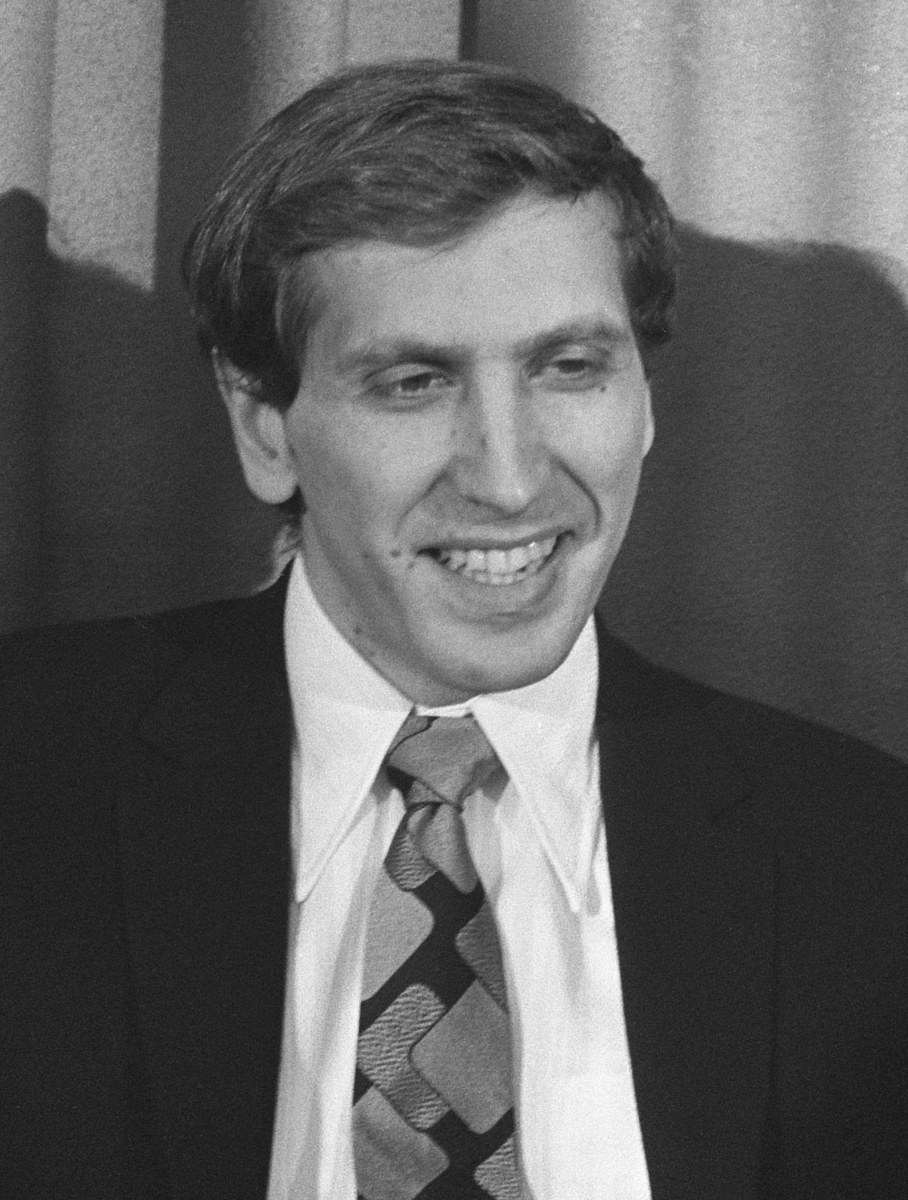
Photo: Bert Verhoeff / Anefo, 31 January 1972, Nationaal Archief, CC0, cropped and resized from the original · Nationaal Archief (Dutch National Archives), Fotocollectie Anefo, photograph of Bobby Fischer at the Hilton Hotel in Amsterdam by Bert Verhoeff / Anefo, 31 January 1972; the Wikimedia Commons crop of the original, 1231 x 1626 pixels, downscaled to 908 x 1200 · CC0 1.0 (public domain dedication)
athlete · 20th Century
1943–2008
Not yet included in personality matching — the documented evidence doesn't yet cover enough of the personality model. Everything else on this page is fully available.
In 1972 he became the first native-born American world chess champion, beating Boris Spassky 12.5-8.5 in Reykjavik and ending 24 years in which every champion had been Soviet.
He became the youngest grandmaster in history in 1958 at 15, won eight US championships and scored a perfect 11 of 11 in one of them.
He won 20 consecutive games in the 1970-71 Candidates matches, built his play on years of study and opening preparation, and wrote My 60 Memorable Games (1969); the 1972 match brought a surge of US interest in chess.
At the 1972 match he failed to appear for game two, lodged a written protest over the cameras and, two hours before game three, demanded it be played in a back room; the champion agreed.
This is consistent with a willingness to stay in open dispute with officials and opponents over the conditions of play. Conflict Tolerance
The World Chess Hall of Fame records that he learned Russian to study the best chess theory and, from childhood, built a library of books and magazines that he used heavily.
This is consistent with a long-running drive to master the game through deep study. Mastery Orientation
In 1975 he refused to meet his challenger Anatoly Karpov; the world federation declared Karpov champion by default and Fischer withdrew from serious play for almost 20 years.
This is consistent with a strong need to control the terms on which he competes. Need for Autonomy
People whose overall profiles resemble theirs.
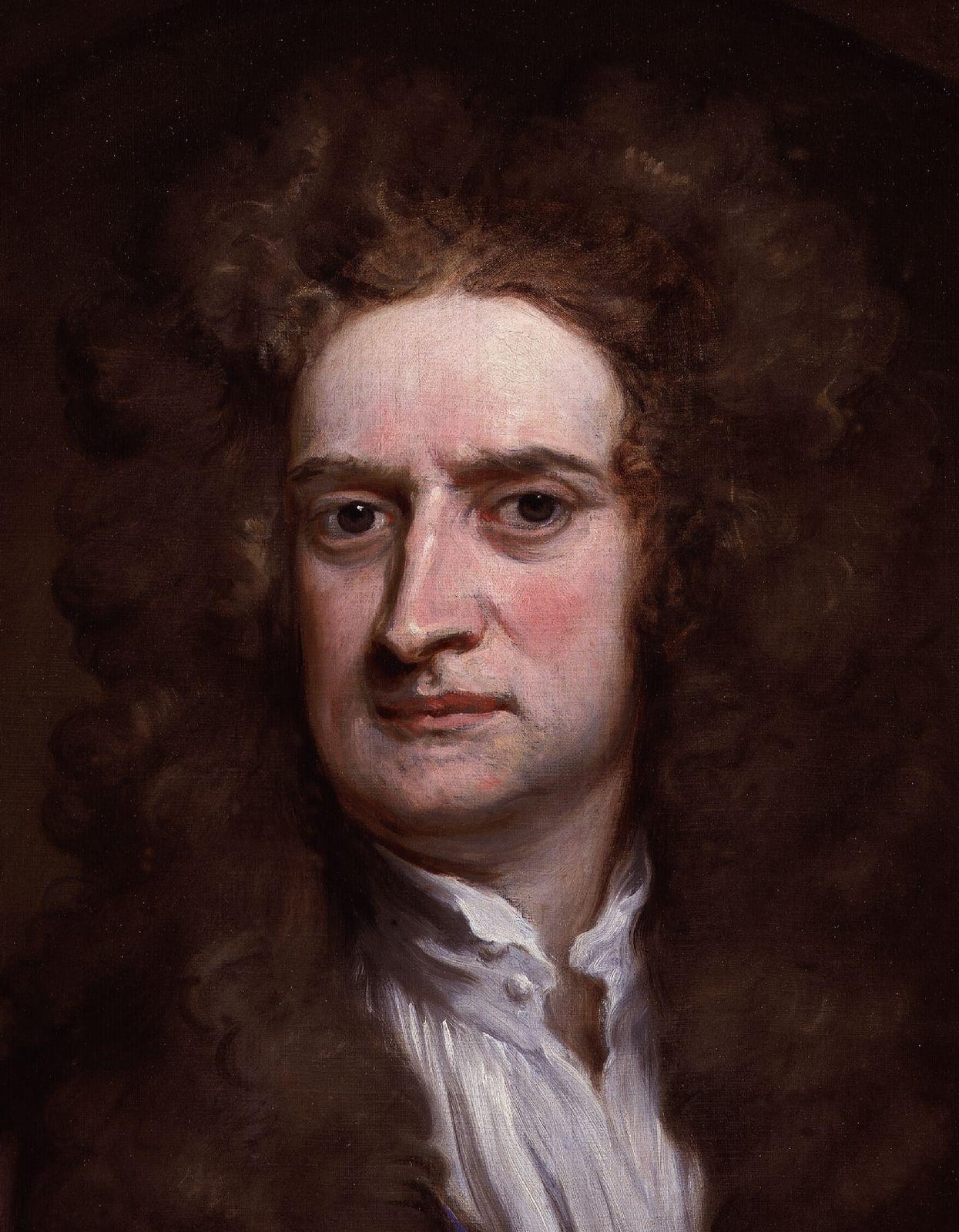
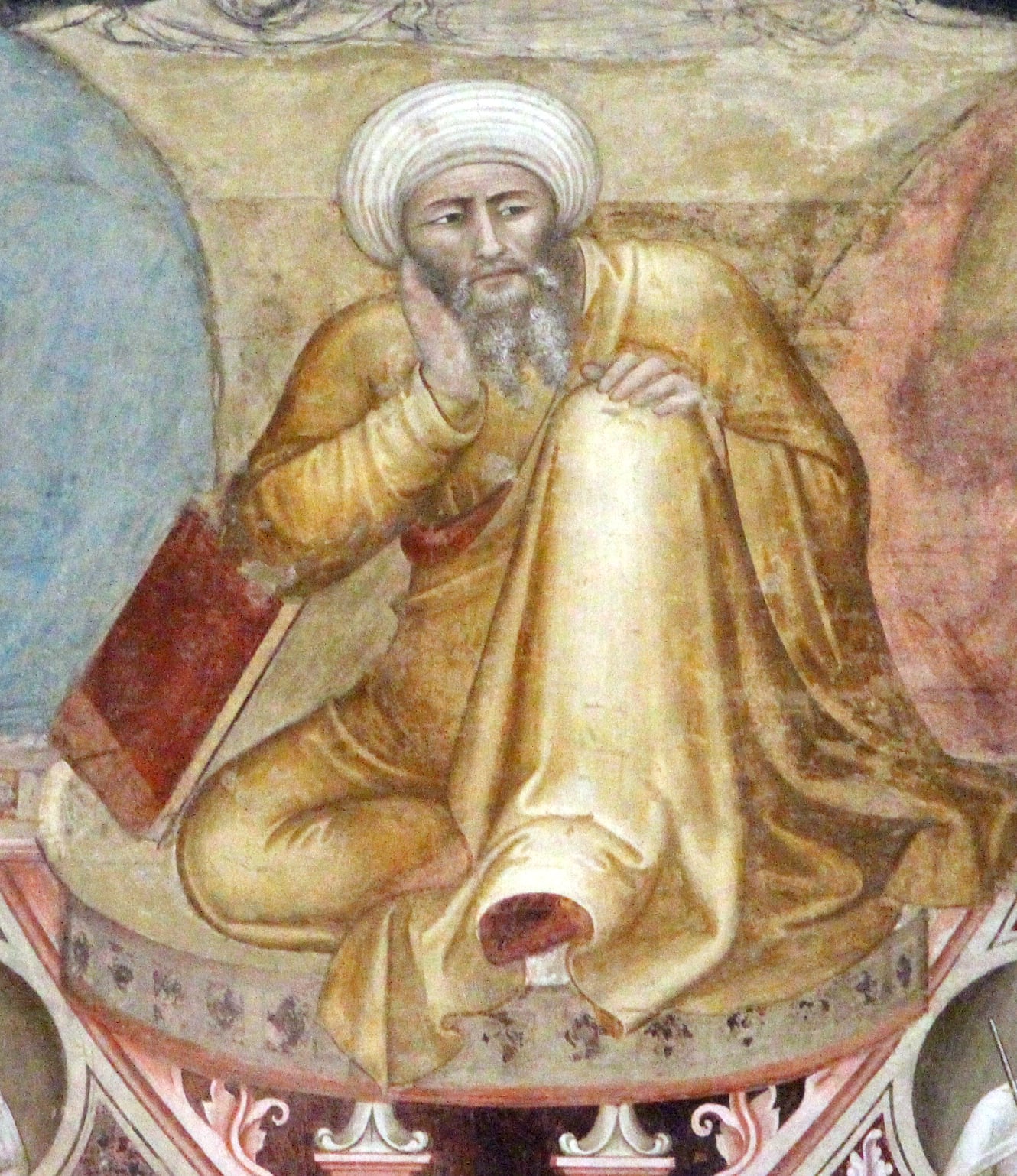

Not a rival — a different profile shape worth a look.
