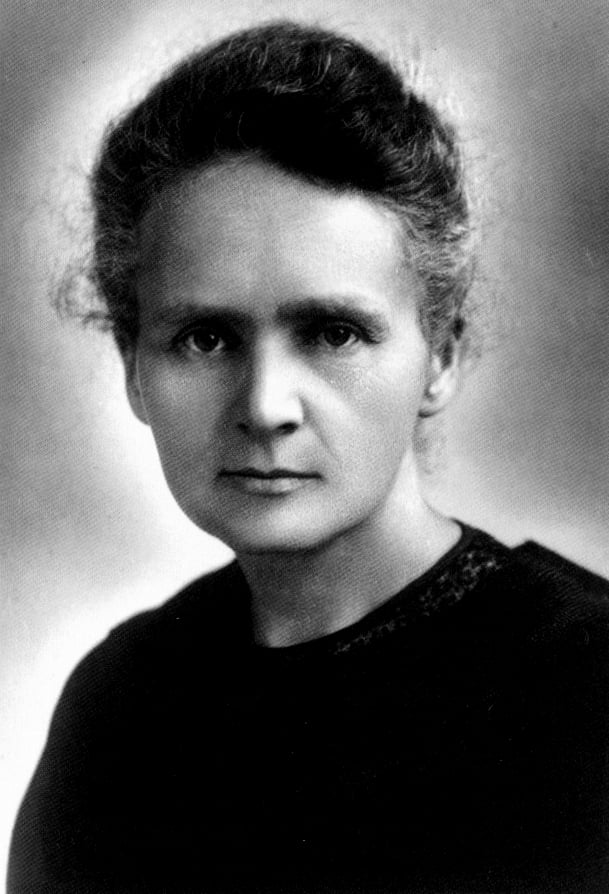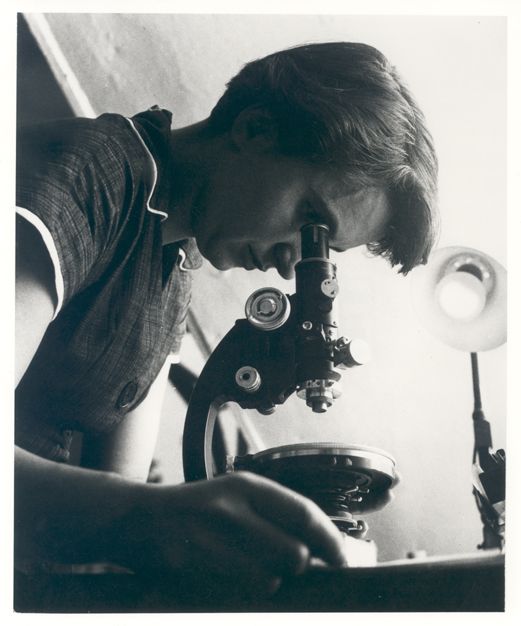
Rosalind Franklin
94% Profile Match
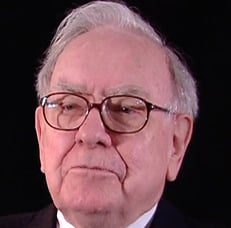
The White House, 2010 · Wikimedia Commons (hosted locally by this app as a recompressed derivative; see licenseUrl for the original) · Public Domain
1930 — Born in Omaha, Nebraska.
1951 — Earned a master's degree in economics at Columbia University, studying under Benjamin Graham.
1954–1956 — Worked as a securities analyst at Graham's firm, Graham-Newman Corporation, in New York.
1956 — Returned to Omaha and began managing investment partnerships, later merged into the single entity Buffett Partnership Ltd.
1965 — Took control of Berkshire Hathaway, then a struggling textile manufacturer.
Present — Continues to serve as Berkshire Hathaway's chairman and CEO into his mid-nineties, one of the longest tenures of any public company leader.
Beginning in 1965, Buffett transformed Berkshire Hathaway from a failing textile manufacturer he bought at $14.86 a share into a diversified holding company, closing its last textile mills in 1985. By his own company's account, in its 1998 letter to shareholders, Berkshire's per-share book value grew from $19 to $37,801 over the 34 years since he took control — a rate of 24.7% compounded annually, one of the most sustained investment track records on record.
Rather than trading individual stocks, Buffett built much of Berkshire's scale by acquiring whole businesses and stakes outright and holding them for decades: a 1988 purchase of roughly 7% of Coca-Cola for $1.02 billion, still held today, and a 2009 acquisition of Burlington Northern Santa Fe for $34 billion, among the largest deals of his career.
Recognized mispriced opportunities before the wider market within his own analytical frame — notably American Express during the "salad-oil scandal" and GEICO — a skill central to his identity as an investor, extensively documented.
In 1951, as a 20-year-old graduate student, Buffett traveled to GEICO's Washington, D.C. headquarters on a Saturday and was received by Lorimer Davidson, one of the only executives on site, for a conversation about the insurance business that shaped his early investment thinking. Forty-five years later, on January 2, 1996, Berkshire paid $2.3 billion for the 49% of GEICO it did not already own, making it a wholly owned subsidiary.
In 1965, took control of Berkshire Hathaway by buying up shares after a dispute with its existing management, rather than waiting to be invited onto its board.
On Charlie Munger's influence, and using See's Candies as the specific evidence, shifted from Benjamin Graham's "cigar-butt" style of buying statistically cheap, mediocre businesses toward paying fair prices for "wonderful companies" — one of his most clearly self-articulated reversals.
Buffett has described this shift himself, in shareholder letters and interviews, as one of the clearest reversals in his investing approach — consistent with the profile's high belief_updating score. Belief Updating
For decades, avoided investing in technology companies, citing an inability to reliably forecast their long-term economics under his own "circle of competence" principle. He has since acknowledged in shareholder letters that this caution came at a real cost, including missing years of gains in companies he eventually did invest in, such as Apple in 2016.
This profile marks the trade-off dual-edged, matching the roster's own reasoning: the same narrow-frame discipline behind the tech-investing miss also protected Berkshire from the dot-com crash. Opportunity Sensing
Buffett's decades-long track record at Berkshire Hathaway is among the most closely studied in investing history, and his annual shareholder letters have shaped how generations of investors think about value, patience, and capital allocation. Under his leadership, Berkshire grew from a failing textile mill into one of the largest companies in the world, and he built a public reputation — captured in the nickname "the Oracle of Omaha" — as one of the most consistently successful investors of his era.
People whose overall profiles resemble theirs.