Sigmund Freud
93% Profile Match
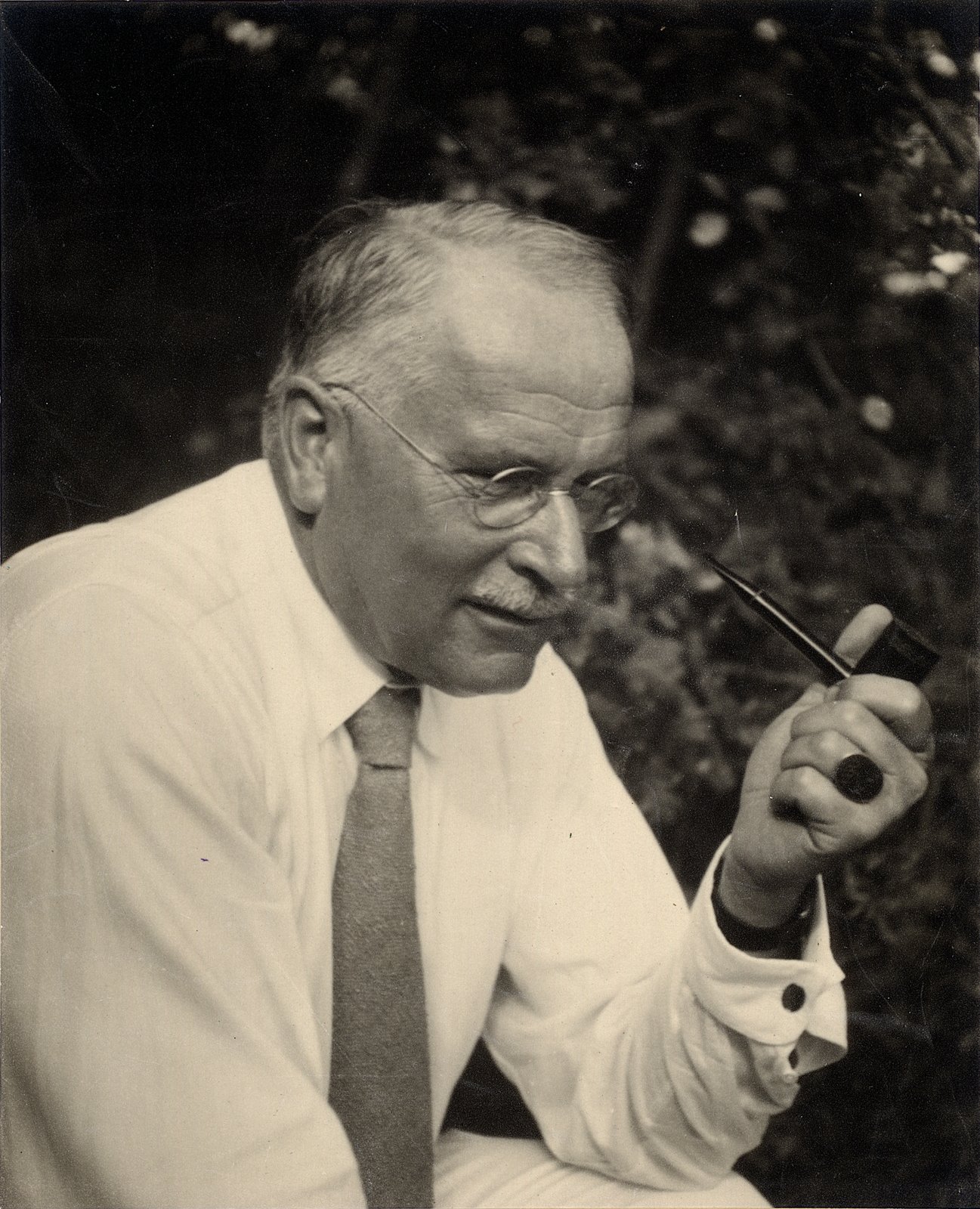
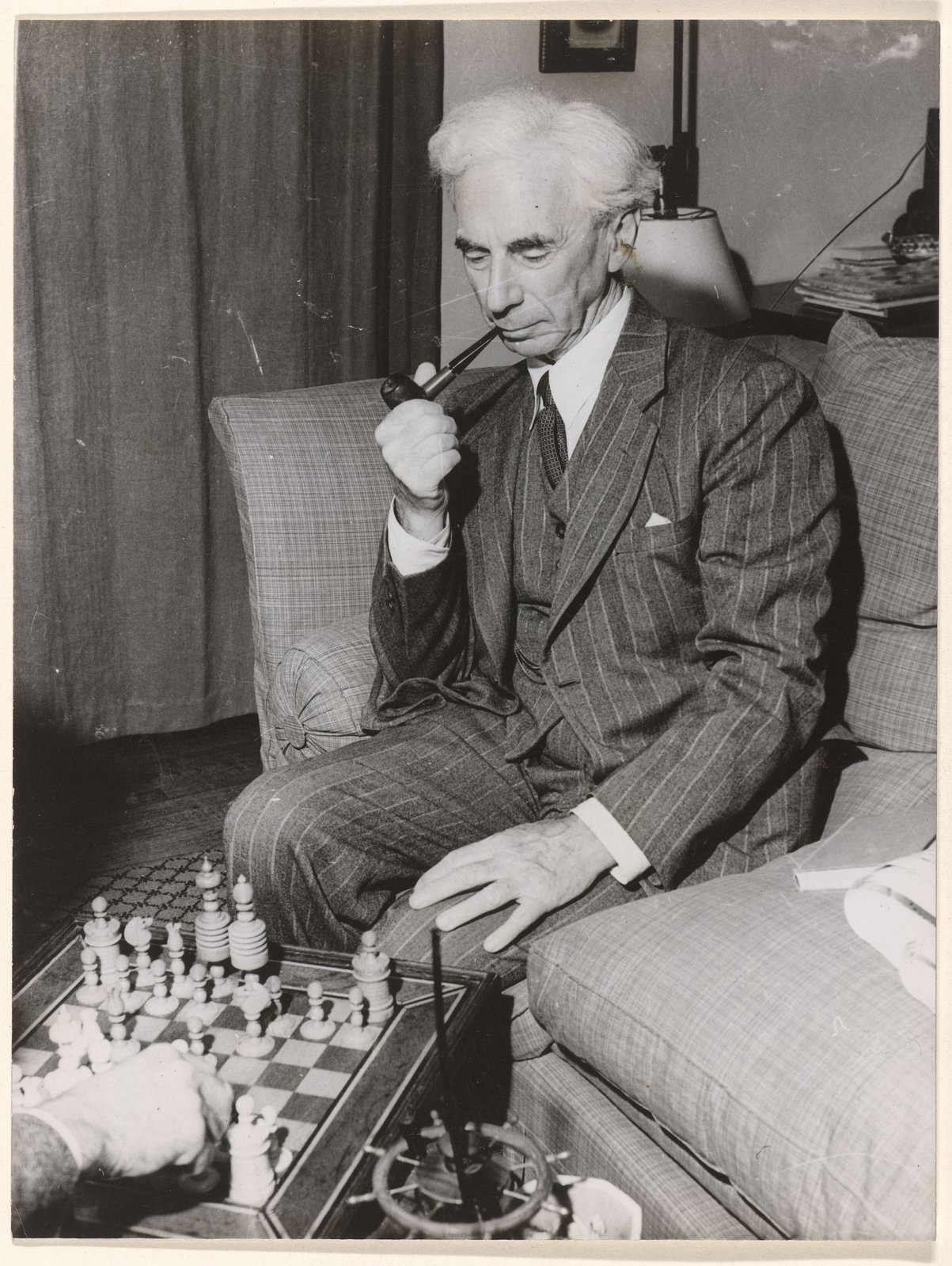
Unknown photographer, c. 1935 — ETH-Bibliothek Zürich, Bildarchiv · Wikimedia Commons · Public Domain Mark 1.0, applied by the copyright holder (ETH-Bibliothek)
Jung broke definitively from Freud over the libido theory's exclusively sexual basis, a rupture documented from both sides of their surviving correspondence, accepting the loss of his position as Freud's designated successor in the psychoanalytic movement.
After the break, Jung founded his own analytical psychology movement and training institute (the C. G. Jung Institute, Zurich), retaining doctrinal authority over its direction for decades.
From 1913 to 1930 Jung kept a private record of his own inner experiences, the Red Book, illustrating it throughout with elaborate illuminations he created entirely himself — a sustained practice with no external audience or professional requirement.
A sustained, dated, self-directed practice with no external audience is the central documented instance behind the profile's high discipline and proactive_agency scores. Discipline
Jung deliberately declined the secure, prestigious position as Freud's designated successor in order to pursue his own independent theoretical direction.
Following the Freud break, Jung continued his self-directed psychological exploration through what biographers describe as a severe personal crisis (roughly 1913–1919), resuming publication of new theoretical work only once that period had passed.
Continuing self-directed work through an extended, unresolved personal crisis rather than resolving it quickly is consistent with the profile's ambiguity_tolerance score. Ambiguity Tolerance
Jung substantially revised his own earlier acceptance of Freudian libido theory after his personal crisis and independent research, publicly departing from a foundational commitment rather than defending it indefinitely.
People whose overall profiles resemble theirs.