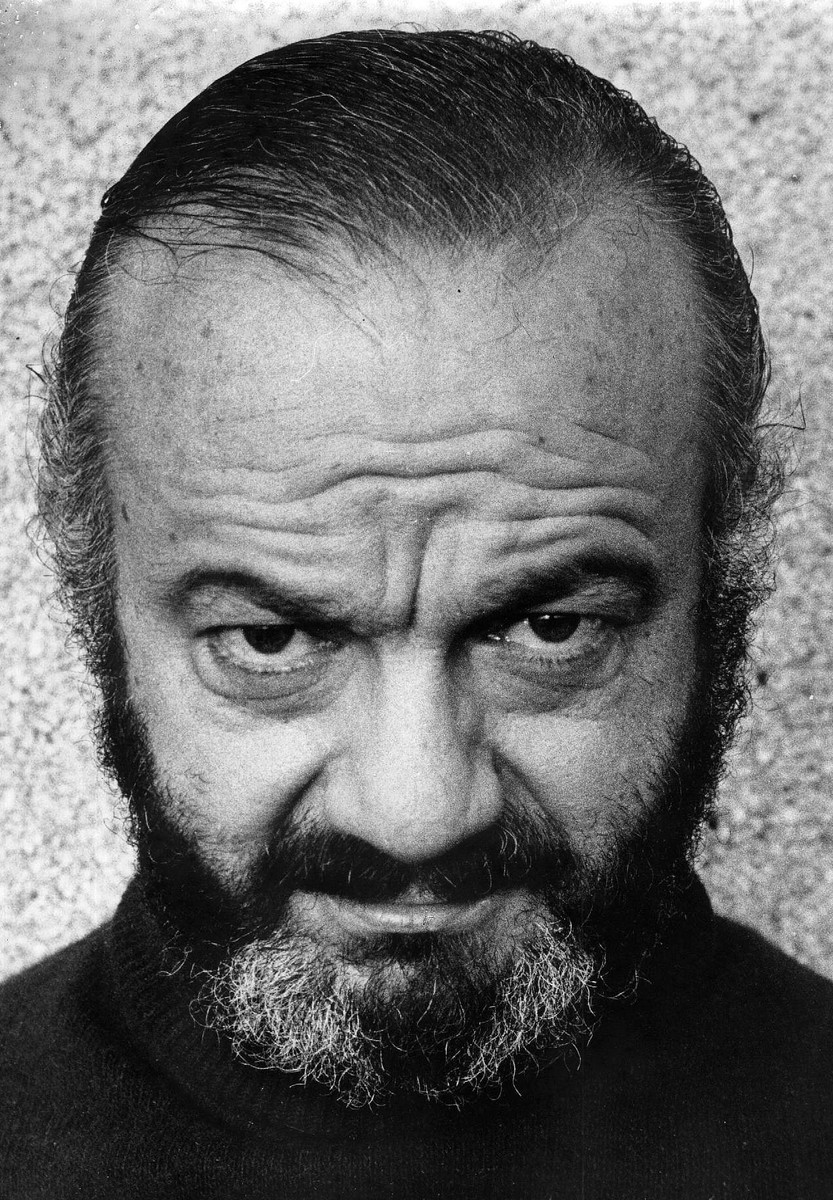
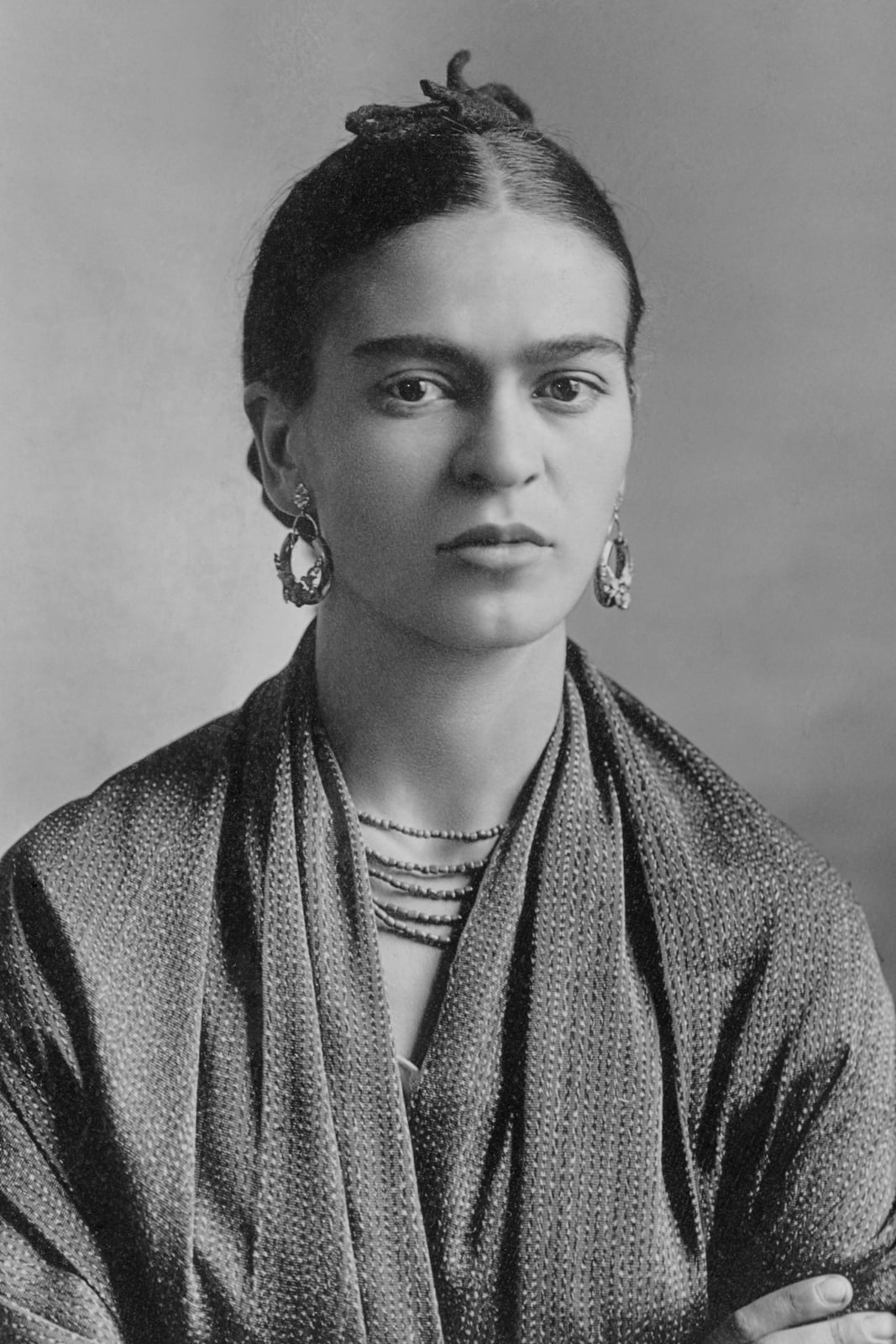
Photo: Carlos Ebert, CC BY 2.0 (via Flickr and Wikimedia Commons) · Wikimedia Commons, 'Astor Piazzola - Composer & Bandoneonist (60228686).jpg' -- black-and-white head-and-shoulders photograph of Astor Piazzolla published on Flickr by Carlos Ebert (Sao Paulo), who describes himself as co-director and director of photography of a documentary made on Piazzolla in Buenos Aires and Mar del Plata, under CC BY 2.0; the Commons file was imported 2020-09-21 and passed the FlickreviewR licence check. Original 1272 x 1832 pixels (SHA-1 28d566b6, matches the Commons record); saved downscaled only (never upscaled) to 833 x 1200. The date of the photograph is not stated (the Flickr/Commons date 2005-11-05 is the upload time; Piazzolla died in 1992). · CC BY 2.0
composer · 20th Century
Astor Piazzolla
1921
Known For
Not yet included in personality matching — the documented evidence doesn't yet cover enough of the personality model. Everything else on this page is fully available.
Trait Constellation
Key Achievements
Reinvented the Argentine tango as 'nuevo tango', blending it with jazz and classical composition and writing tangos to be listened to rather than danced.
Studied composition with Alberto Ginastera and Nadia Boulanger, then built his own groups, from the Octeto Buenos Aires to the Quintet, around his tango and the bandoneon as a virtuoso solo instrument.
Wrote landmark works including 'Adios Nonino', the tango-opera 'Maria de Buenos Aires' and 'Five Tango Sensations', and gained wide recognition abroad in the 1980s.
Moments That Reveal Them
In a 1954 magazine interview he answered critics by calling his music contemporary music of Buenos Aires and saying he was an enemy only of the tango that traditionalists still believed in.
Consistent with a willingness to defend his own musical direction in public against the established tango world. Independent Thinking
His 1968 tango-opera 'Maria de Buenos Aires', written with Horacio Ferrer, was ambitious and controversial and nearly bankrupted him; he is quoted saying it was better to be broke with it than flush with garbage.
Consistent with accepting financial risk for an artistic goal. Risk Tolerance
Turning Points
In Paris in 1954-55 Nadia Boulanger found his concert works skilful but lacking feeling and recognised his tango 'Triunfal' as 'the true Piazzolla', after which he combined tango with classical music in his own groups.
Consistent with a creative direction found by joining his tango background to formal training rather than leaving one for the other. Creative Originality
Similar People
People whose overall profiles resemble theirs.

Rabindranath Tagore

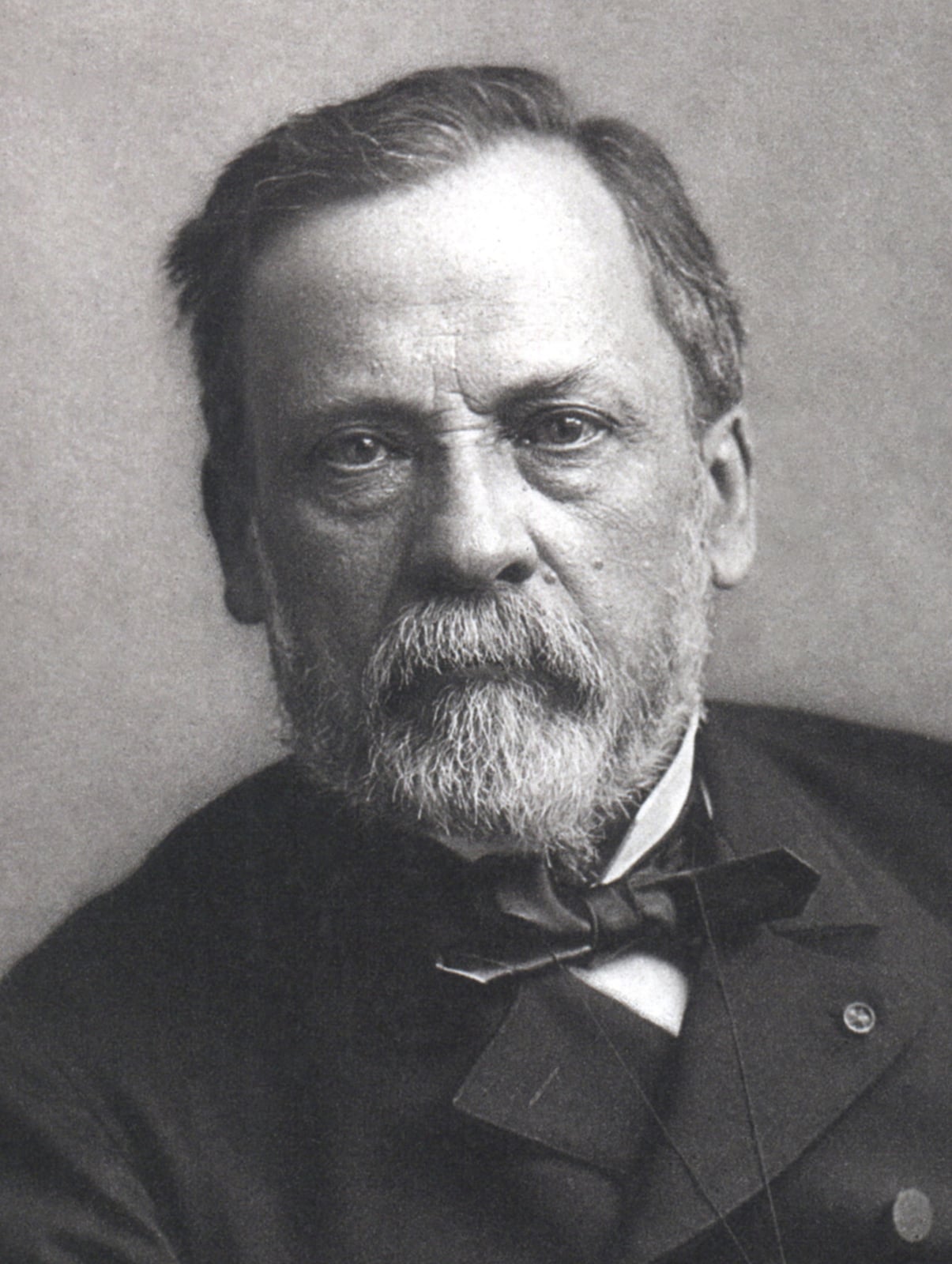
Louis Pasteur

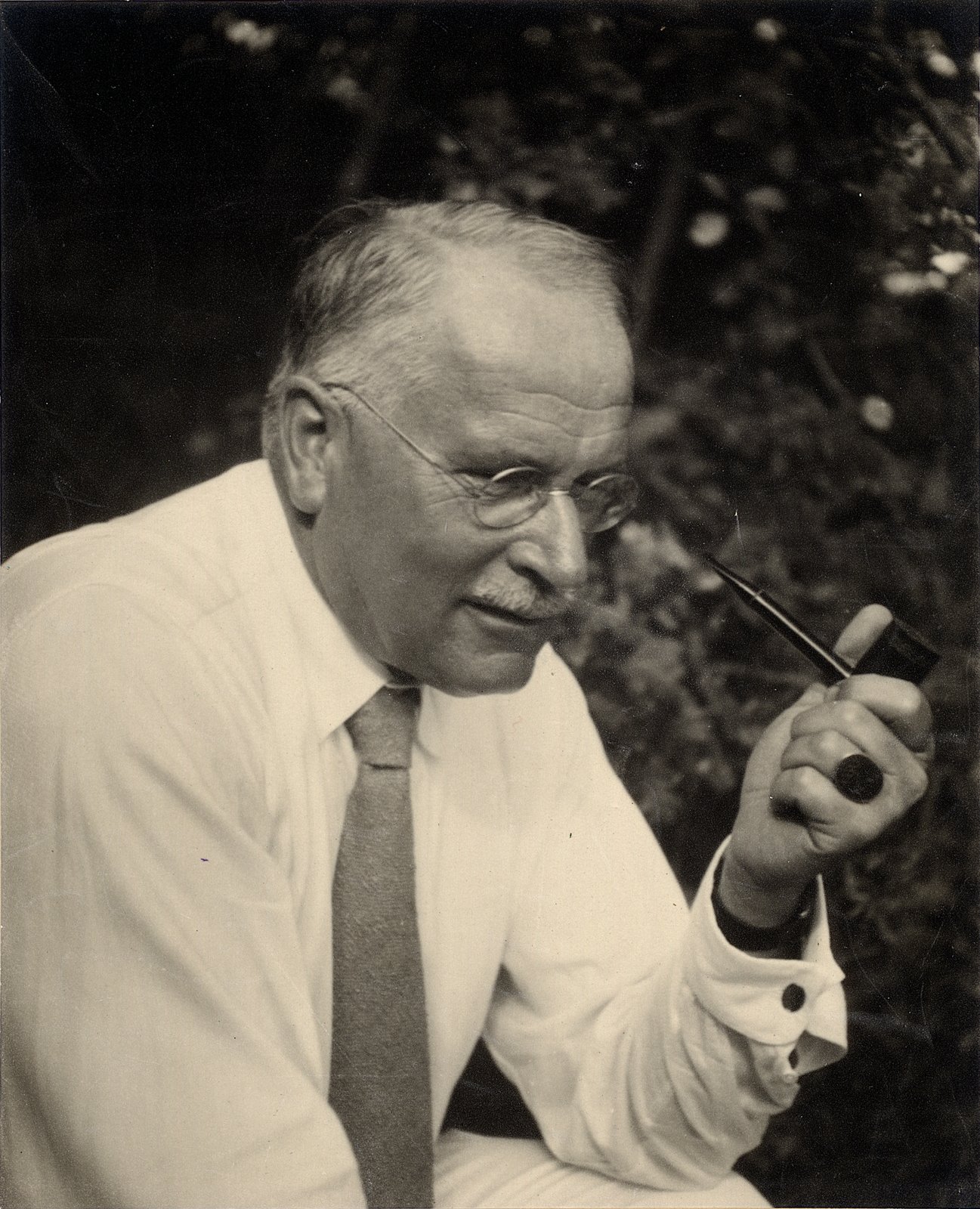
Carl Jung

Yayoi Kusama

Frida Kahlo
Opposite Profile
Not a rival — a different profile shape worth a look.

Ernest Shackleton
Sources
- Astor Piazzolla (Q172505) -- verified live via the Wikidata API (2026-10-23): English label 'Astor Piazzolla', description 'Argentine tango composer, bandoneon player and arranger', born 1921-03-11, died 1992-07-04 (a second statement gives 5 July), citizenship Argentina, Korean label present, English and Korean Wikipedia sitelinks present, P18 'Astor Piazzolla.jpg'. Orientation only; not used as support for any row.
- EBSCO Research Starters, 'Astor Piazzolla' (ebsco.com), read in full as a structured summary: birth in Mar del Plata in 1921, childhood in New York and a bandoneon from 1929, joining Anibal Troilo's orchestra in Buenos Aires, six years of composition study with Alberto Ginastera from 1941, the 1953 Fabien Sevitzky Prize for 'Buenos Aires, tres movimientos sinfonicos' and the French scholarship, the Paris study with Nadia Boulanger (she respected his classical works but found them lacking feeling and recognised his tango 'Triunfal' as 'the true Piazzolla'), his ensembles (Octeto Buenos Aires 1955-58, the Quintet 1960-70 and 1978-88, Octeto Electronico 1974-77), tangos written for listening not dancing and resisted by traditional tango musicians, 'Adios Nonino' (1959), the 1968 tango-opera 'Maria de Buenos Aires' with Horacio Ferrer (ambitious, controversial, nearly bankrupted him; he is quoted saying it was better to be broke with it than flush with 'some garbage'), worldwide recognition in the 1980s, and Yo-Yo Ma's and Don Heckman's comparison of his role for tango to Gershwin's and Ellington's for jazz. CANONICAL SIGNIFICANCE SOURCE (with the Alabama Symphony biography). Reference-style biography, broadly admiring but it records resistance and mixed reviews. Its passages on his childhood leg condition, his family, his 1988 heart problems and his 1990 stroke were not used.
- Alabama Symphony Orchestra, 'Astor Piazzolla' artist biography page (aso.org), read in full: Argentine-born to Italian parents, a childhood in New York with jazz and Bach, the 1953 'Buenos Aires Symphony' that won a French grant to study with Nadia Boulanger, the nuevo tango that 'transformed traditional tango' with jazz and classical elements, the Octeto Buenos Aires formed after his 1955 return, the 1985 Almeida Theatre concert and the 1987 Central Park concert of his Quinteto Tango Nuevo, and the later custodians of his style (Pablo Ziegler, Marcelo Nisinman). CANONICAL SIGNIFICANCE SOURCE (with EBSCO). Programme-note style institutional summary; says nothing on traditionalist reception, which is why it was paired with other sources.
- Redaccion Diario de Cuyo, 'El recuerdo del Gran Astor' (diariodecuyo.com.ar, 4 July 2012, 20th anniversary of his death), read in full in Spanish: his early meeting with Carlos Gardel in New York, work in Troilo's orchestra, more than 300 tangos and scores for about 40 films, heavy criticism in the 1950s-60s from the orthodox 'Guardia Vieja' who called him 'el asesino del tango', the claim that his works were not played on radio and record labels did not dare release them, and his 1954 Revista Antena interview (he answers that his music is 'contemporary music of Buenos Aires' and that he is an 'enemy' only of the tango the traditionalists believe in, 'they still believe in the compadrito; I don't'). Argentine press retrospective; this is the counter-voice (the traditionalist hostility) and the best Argentine-side behavioural source, though the radio and record-label claims are the paper's own unreferenced statements and its Gardel anecdote is not scored.
- American Public Media, Saint Paul Sunday featured-artist page for the Assad Duo (saintpaulsunday.publicradio.org, programme of 23 July 2000), read in full for its Piazzolla background paragraphs: detractors charged that he was trying to 'kill' tango with his mix of styles, the ruling military junta reportedly called his new tango 'too avant-garde', enthusiastic young Argentine audiences, European concerts in the 1970s-80s, his aim of restoring tango's emotional force, his remark that 'if I do a fugue in the manner of Bach, it will always be tanguificated', his insistence that his music was carefully studied and 'very elaborate', and the introduction of cello and electric guitar while dropping singers and dancers from his ensembles. Public-radio programme note, independent of the Argentine paper; the junta remark is incidental politics and is not scored.
- Fresh Air archive, 'Remembering the Assassin of Tango' (freshairarchive.org; Terry Gross's 19 April 1988 interview, rebroadcast 6 July 1992 after his death), read as the programme page only (the transcript is marked unavailable): describes his tangos as a hybrid of classical music, jazz and rock, groups he led from the early 1960s linking the Argentine form with European and American innovations, his classical training and study with Boulanger, his 1970s years in France writing film scores, and that his changes to tango earned him the 'enmity of Argentinians'. Used only to corroborate the traditionalist opposition and the hybrid style; the audio itself was not heard.
- Composers Datebook, 'Piazzolla passes' (yourclassical.org, American Public Media, 5 July 2014 episode), read in full (short radio note): bandoneon virtuoso, scholarship to study with Boulanger who encouraged him to explore the music he knew best, a 'reinvented' tango called nuevo tango that was 'dark and brooding', and his remark shortly before death that tango is 'sad and dramatic, but not pessimistic'. Short radio note; used for corroboration only and the age/date of death (it says 5 July where other sources say 4 July, which is why no death-date detail is used).
- Kronos Quartet, recording page for 'Astor Piazzolla: Five Tango Sensations' (kronosquartet.org), read in full: the 1989 suite for bandoneon and string quartet recorded with Piazzolla (album issued 1991); violinist David Harrington's account (reproduced from a WOMEX interview, undated) that Piazzolla's 'willpower was extraordinary', that 'he just pulled the music out of everybody including himself', and that the recording took about two hours, which the quartet had never matched; an AllMusic reviewer's line that Piazzolla 'plays his heart out'. Collaborator account (admiring, retrospective, self-interested in promoting the recording): only one perspective on studio conduct, so it supports no trait row alone.
- Claudio Constantini, 'Astor and Nadia' (newsletter, constantinimusic.beehiiv.com, 12 March 2024), read in full: an Argentine bandoneonist's retelling of the Paris meeting in which Boulanger found Piazzolla's concert works skilful but impersonal, asked what he played at home, and told him of a tango he played for her 'This is the real Astor'. Cites no sources and gives no dates; a musician's blog retelling of a standard anecdote, used only as a duplicate of the Boulanger story already in the EBSCO biography (not an independent perspective and no trait row rests on it).
- Wikimedia Commons file page 'Astor Piazzola - Composer & Bandoneonist (60228686).jpg' (with the Commons API record, wikitext and FlickreviewR record) -- checked for the portrait: author Carlos Ebert (Sao Paulo), Flickr id 60228686, licence CC BY 2.0, Flickr licence review passed 2020-09-21, original 1272 x 1832 pixels. Rights record only; no trait row rests on it.