Leonardo da Vinci
91% Profile Match
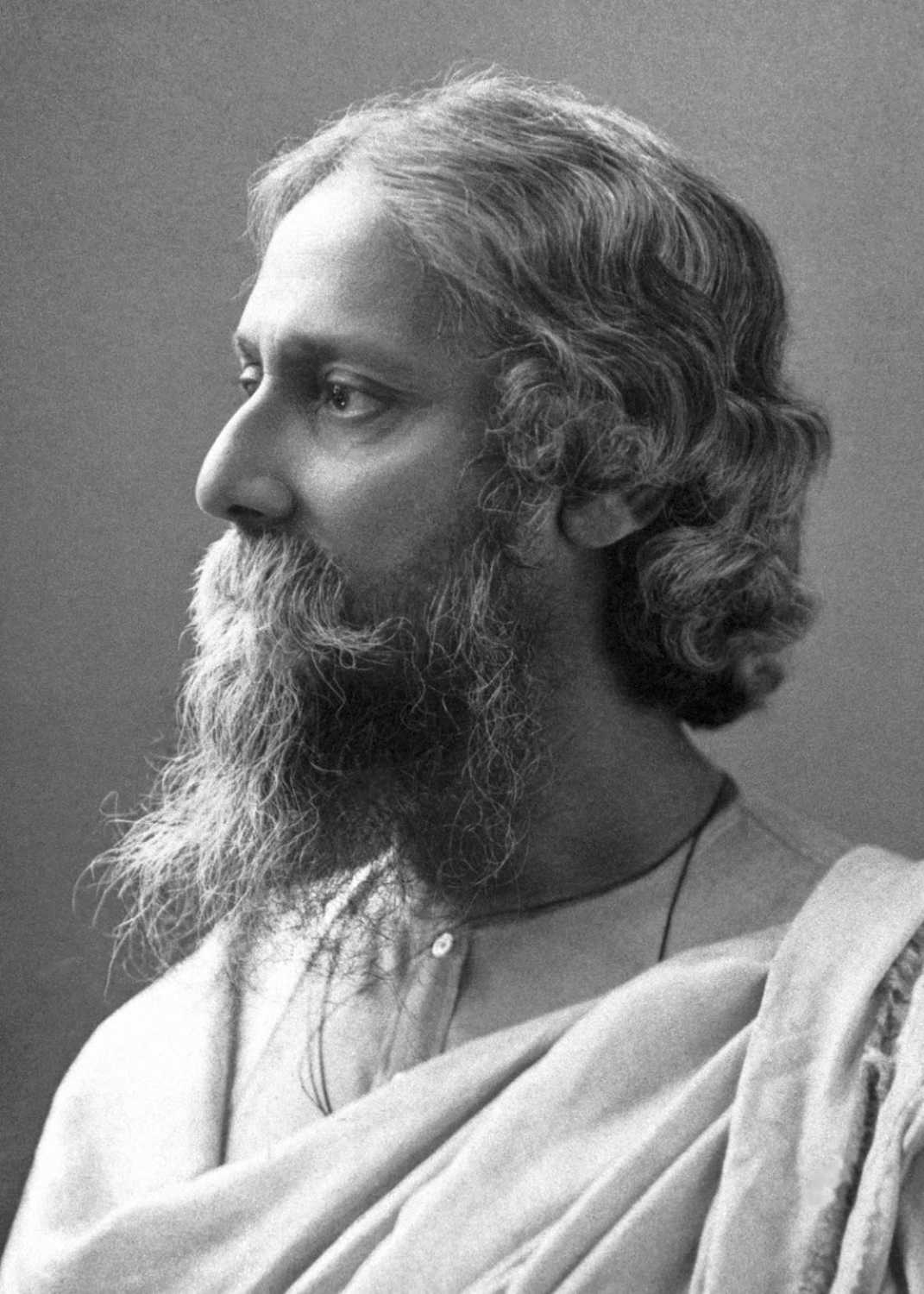
Generalstabens litografiska anstalt, 1909, published in Les Prix Nobel 1913 (1914), Public Domain · Wikimedia Commons (hosted locally by this app; byte-identical to the original — recompression was tested and found counterproductive here — see licenseUrl for the original) · Public Domain
1861 — Born.
1901 — Founded an experimental school at Santiniketan that grew into Visva-Bharati University.
1913 — Awarded the Nobel Prize in Literature for Gitanjali.
1919 — Renounced his British knighthood in protest of the Jallianwala Bagh massacre.
In his sixties — Took up painting seriously, decades after his literary reputation was established.
1941 — Died.
Tagore's 1913 Nobel Prize in Literature for Gitanjali was an internationally, independently verified recognition of a specific body of work: he had already produced thousands of poems and songs alongside novels and plays, and the Nobel citation and the collection's sustained international critical reception documented recognition of his aesthetic craft specifically, not only his volume of output.
He founded Visva-Bharati University at Santiniketan as an alternative, humanistic model of education distinct from colonial-era schooling — a self-initiated, sustained institution-building effort beyond his literary work, documented via the university's own founding history.
Tagore composed both India's and Bangladesh's national anthems — a documented, unusual fact that reflects the reach of his creative output well beyond literature alone, into a form that would later become part of two nations' civic identity.
He took up painting seriously only in his sixties, decades after his literary reputation was already internationally established, pursuing it purely from continued creative interest rather than any external need.
Beginning a new discipline from scratch well after mastery in another was already secure, and while there was nothing left to prove, is consistent with the profile's mastery_orientation score. Mastery Orientation
In 1919, Tagore publicly renounced the British knighthood he had been awarded, in protest of the Jallianwala Bagh massacre in Amritsar — a high-profile act of dissent against the same colonial establishment that had honored him, carrying real social and political risk within it. In his own letter to the Viceroy explaining the decision, he wrote that he wished to "stand, shorn of all special distinctions, by the side of my countrymen."
Giving up a formal honor already granted, rather than voicing private disapproval while keeping it, is consistent with the profile's independent_thinking and risk_tolerance scores. Independent Thinking
People whose overall profiles resemble theirs.
Not a rival — a different profile shape worth a look.