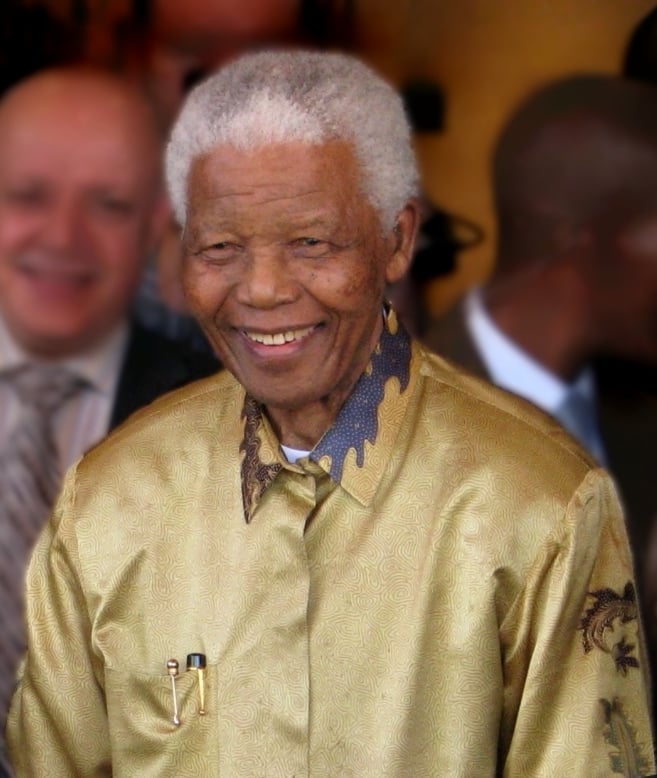
Nelson Mandela
94% Profile Match

Frank Hurley, 1916 — the expedition's own official photographer; cropped by this project from the full mounted print to remove the card mount and signature · Wikimedia Commons (cropped for this app from the original scan) · Public Domain (life+70 or fewer)
1874 — Born.
1901–1904 — Served on Scott's Discovery Expedition, his first Antarctic voyage.
1909 — Turned back just 97 miles from the South Pole on his own expedition, judging the risk too great.
1914–1917 — Led the Trans-Antarctic Expedition; after Endurance was crushed by ice, kept all 28 crew alive via an 800-mile open-boat rescue journey.
1921 — Set out on a fourth expedition, aboard Quest.
1922 — Died of a heart attack at South Georgia, at the start of that expedition.
Led the 1914–1917 Imperial Trans-Antarctic Expedition, keeping all 28 crew members alive for nearly two years after their ship, Endurance, was crushed by pack ice and sank — a sustained survival effort with zero fatalities, corroborated by multiple crew members' own diaries.
With five companions, undertook an 800-mile open-boat journey across the Southern Ocean to South Georgia to seek rescue — navigating without standard instruments to reach a small island target across open water, rather than waiting with the main party for a rescue that was not coming.
On an earlier expedition in 1909, he turned back only 97 miles from the South Pole — closer than any previous expedition had reached — judging the remaining distance too dangerous for his team's survival.
The Great Inside reads this alongside the 800-mile boat journey seven years later as two data points about the same risk_tolerance score, not one fixed disposition: real willingness to accept extraordinary personal risk when the goal was survival itself, paired with an earlier readiness to give up a historic prize rather than gamble with his team's lives. Risk Tolerance
Alfred Lansing's account of the ice-camp period describes Shackleton deliberately keeping a crew member who was reportedly more openly critical of him in closer physical proximity — managing potential dissent directly rather than avoiding the tension.
The expedition's original goal — an overland crossing of Antarctica — became entirely impossible once Endurance was crushed and sank. What followed was an improvised, nearly two-year survival operation built and adjusted in response to changing conditions as they occurred, with no advance plan for any of it.
Both the profile's high adaptability score and its more moderate planning_orientation score fit this moment: the plan that mattered here was not the original one, but the sequence of adjustments made after it failed. Adaptability
People whose overall profiles resemble theirs.
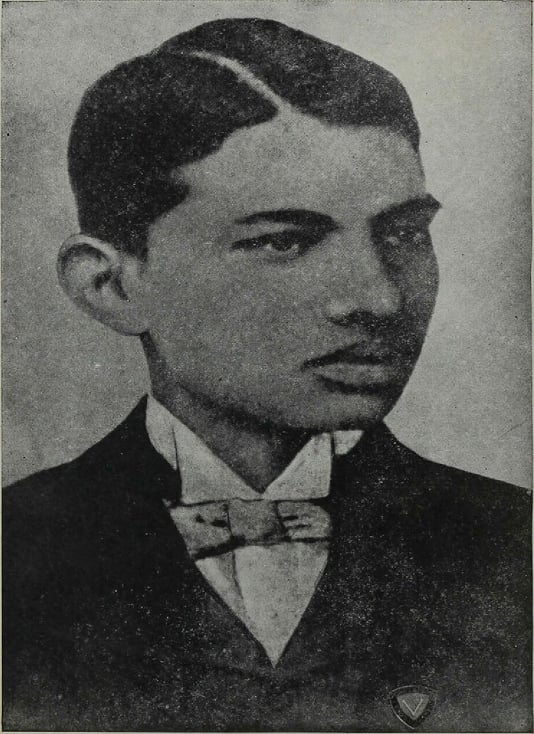
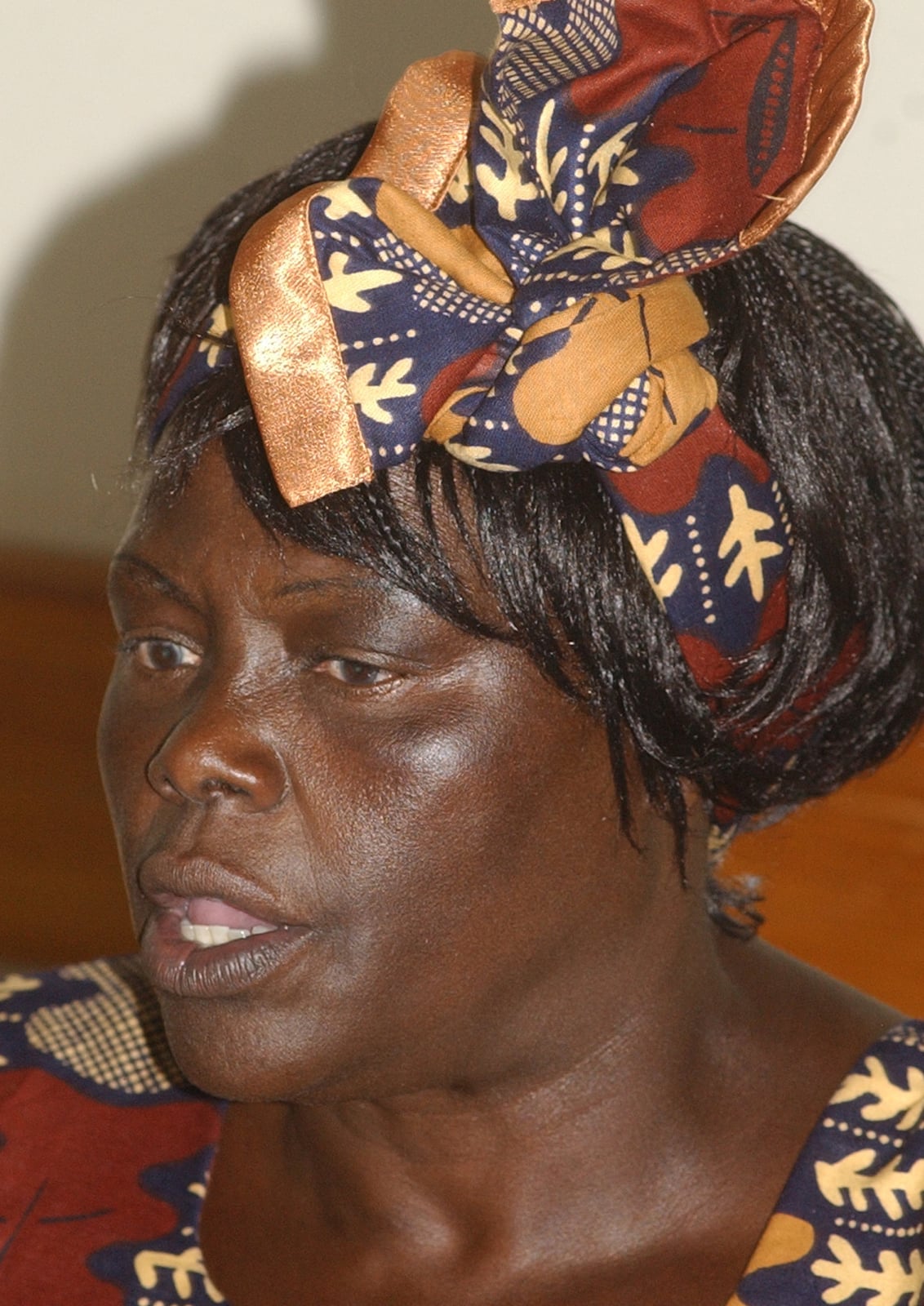
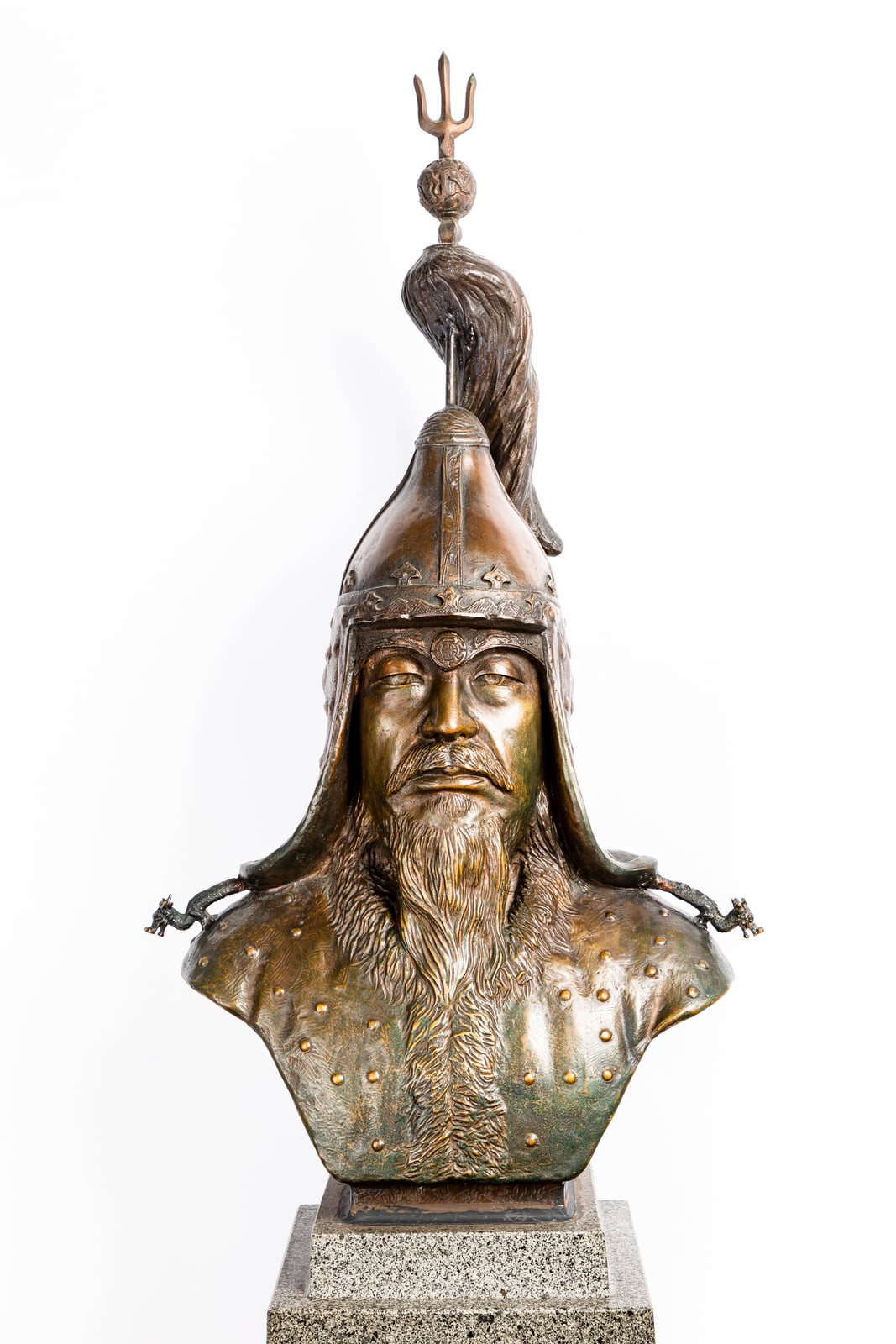
Not a rival — a different profile shape worth a look.
