Yayoi Kusama
95% Profile Match
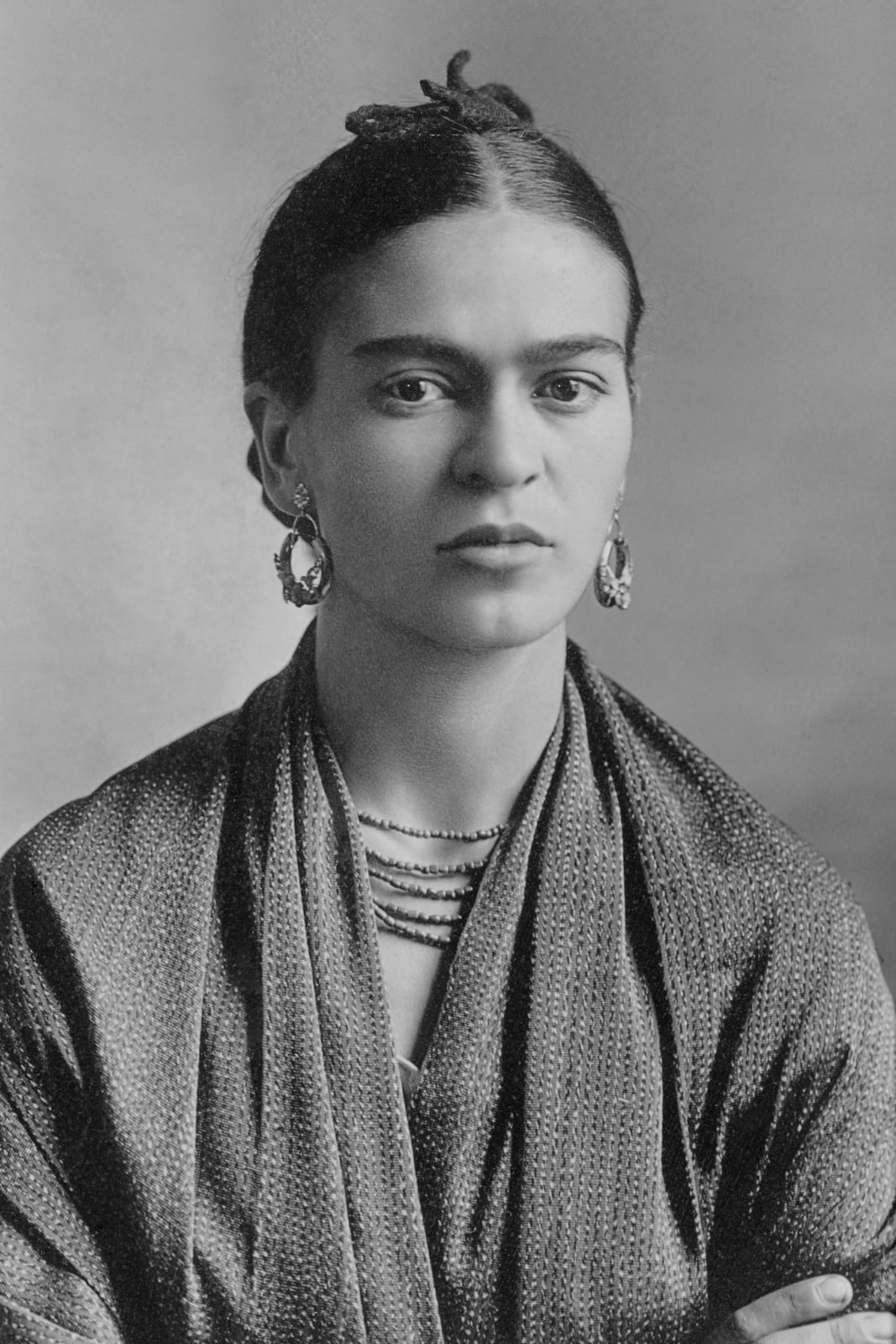
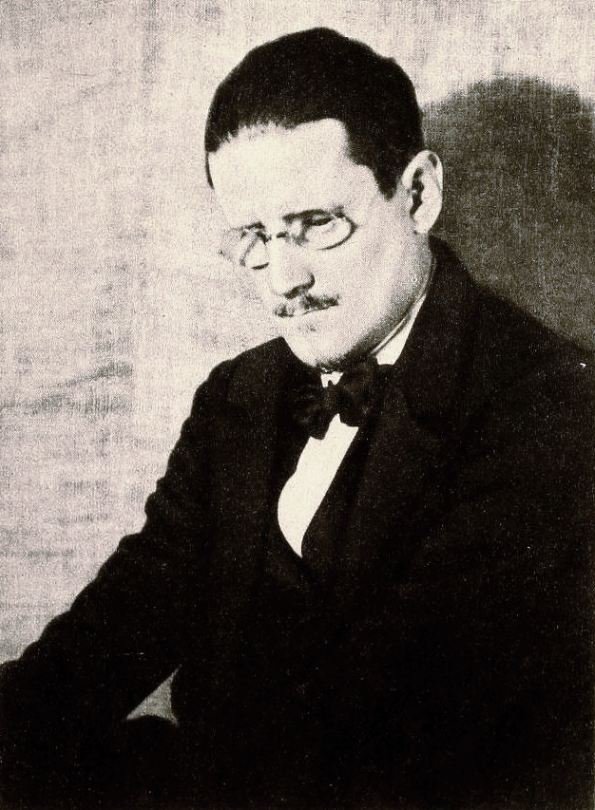
Guillermo Kahlo, 16 October 1932 · Wikimedia Commons · Public Domain (artist died 1941)
1907 — Born.
1925 — A near-fatal bus accident ended her plan to study medicine; she began painting during recovery.
Soon after — Approached the muralist Diego Rivera, unprompted, for his opinion of her paintings.
Mature work — Developed a distinctive style blending Mexican folk art with symbolic self-portraiture.
1954 — Died.
Developed a distinctive painting style blending Mexican folk-art traditions with symbolic, often unflinching self-portraiture exploring pain, identity, and the body — work that only reached wide international recognition well after her death.
After a near-fatal bus accident in 1925 left her bedridden for months, she began painting lying on her back using a specially mounted mirror and an easel her mother had arranged over the bed.
This is a clear instance of the profile's high resourcefulness score: continuing creative work under a severe physical constraint by improvising the equipment that made it possible, rather than waiting for the constraint to lift. Resourcefulness
Biographical accounts describe her, as an unknown young artist, approaching the already-famous muralist Diego Rivera directly and unprompted to ask for his honest opinion of her paintings.
The 1925 accident, and the many operations and long convalescences that followed for the rest of her life, redirected her from an earlier ambition toward medicine into painting as her primary occupation.
Kahlo's international reputation was largely posthumous. Her work reached a wide audience beyond Mexico only after a 1982 retrospective at London's Whitechapel Gallery — the first exhibition of her work outside Mexico — and Hayden Herrera's 1983 biography Frida, which introduced her life and work to a broad English-language readership and was later adapted into the 2002 film Frida starring Salma Hayek. She is now widely read as a symbol of Mexican national identity and of the feminist art movements that took shape mostly after her death — a later reception distinct from her own paintings' declared subject matter of pain, identity, and the body. In November 2025, her 1940 painting El Sueño (La Cama) sold at auction for $54.7 million, the highest price ever paid at auction for a work by a female artist.
People whose overall profiles resemble theirs.
Not a rival — a different profile shape worth a look.