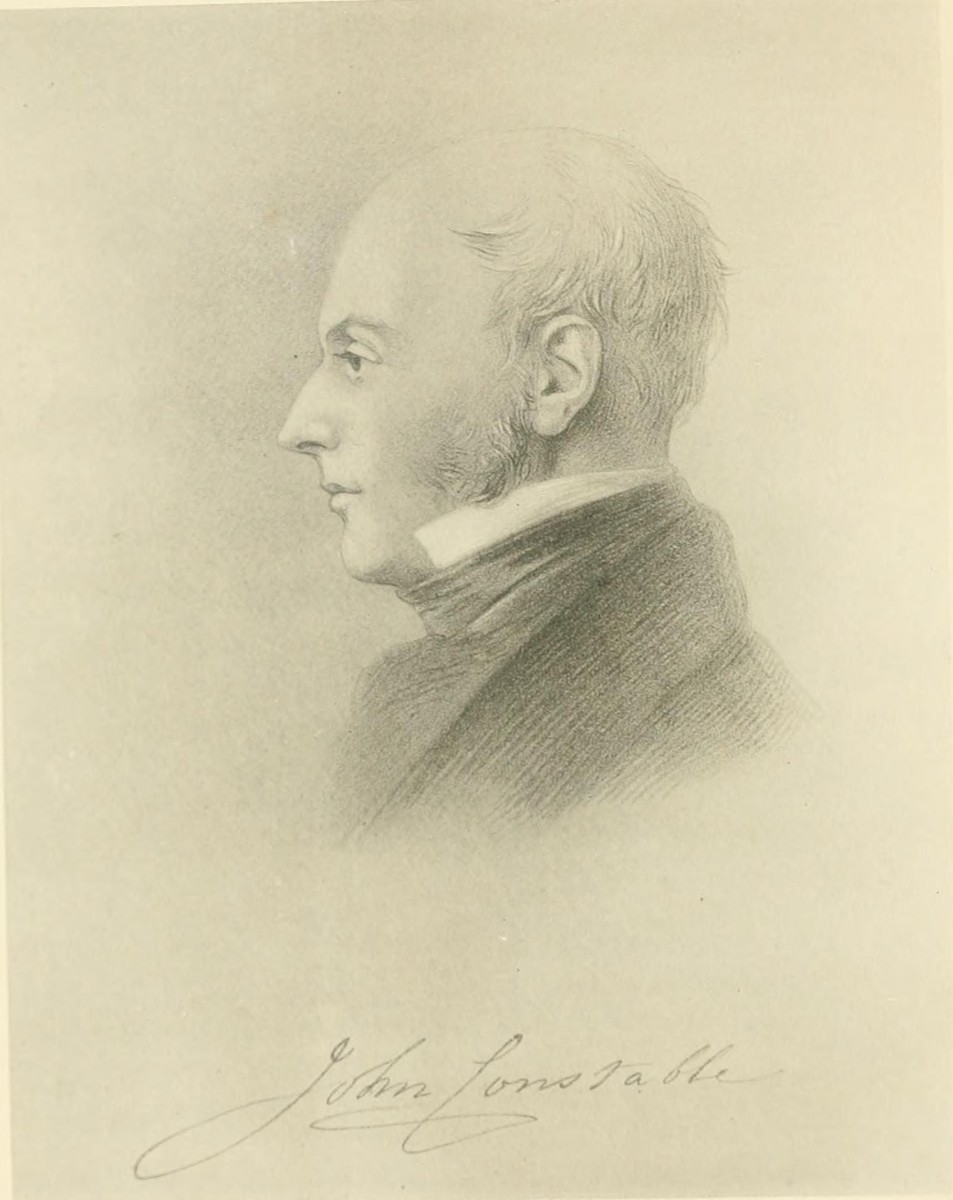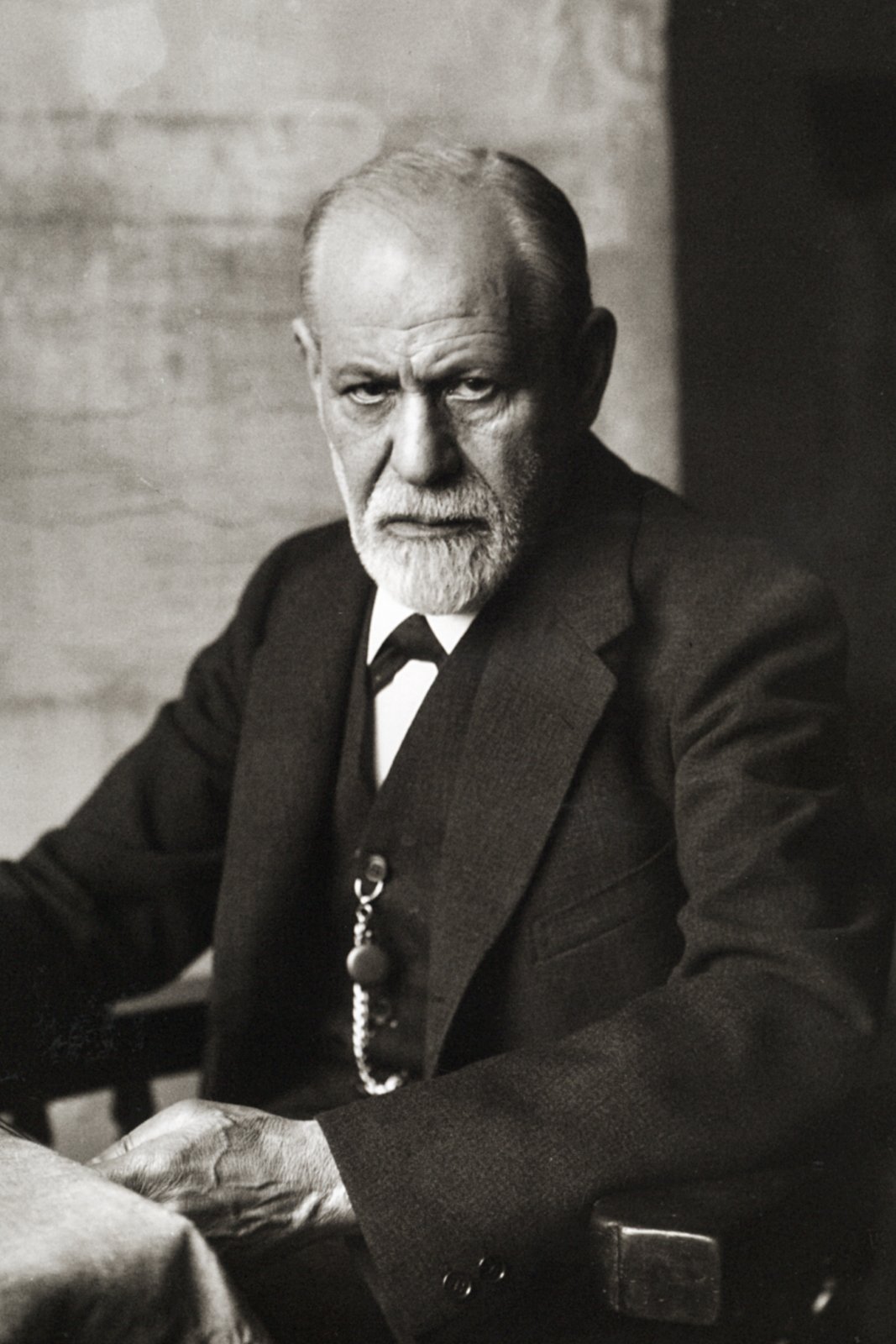

After a drawing by Charles Robert Leslie, frontispiece of Life and Letters of John Constable, R.A., London, 1896, public domain, via the Internet Archive · Frontispiece plate 'From a drawing by C. R. Leslie, R.A.' in Charles Robert Leslie, Life and Letters of John Constable, R.A., Chapman and Hall, London, 1896, digitised by the Internet Archive from a University of California Libraries copy. The sitter is identified by the book, the caption and the printed signature. The page scan was 2300 x 3163 pixels; this project cropped the plate and reduced it to 953 x 1200 pixels, never enlarging it · Public Domain (book published in 1896; the drawing's author, Charles Robert Leslie, died in 1859)
화가 · 19세기
존 컨스터블
1776–1837
주요 업적 분야
아직 성격 매칭에 포함되지 않았습니다 — 기록된 근거가 성격 모델 전체를 다루기에는 충분하지 않습니다. 이 페이지의 다른 모든 내용은 자유롭게 확인하실 수 있습니다.
핵심 특성
주요 업적
야외에서 그린 유화 스케치와 습작을 바탕으로 서퍽 시골 풍경을 신선하고 자연주의적으로 그려 영국 풍경화를 바꿔 놓았으며, 내셔널 갤러리는 그가 프랑스 낭만주의와 바르비종파에 영향을 주었다고 설명한다.
1819년부터 1825년까지 스투어강 풍경을 담은 6피트 대형 캔버스 연작을 그렸고, 각 작품을 실물 크기 유화 스케치로 준비했다. '건초 마차'(1821)는 1824년 파리 살롱에서 샤를 10세가 수여하는 금메달을 받았다.
1819년부터 햄스테드에서 약 100점의 구름 습작을 그렸고, 메조틴트 판화집 '잉글리시 랜드스케이프'(1830~1832)를 출간했으며, 1833년부터 1836년까지 풍경화에 관해 강연했다.
삶의 장면들
'건초 마차'를 위해 먼저 작은 유화 스케치를, 이어 실물 크기의 유화 스케치를 그린 뒤, 수년간의 야외 습작을 바탕으로 런던 작업실에서 최종 캔버스를 완성했다.
이는 대형 작품을 단계적으로 계획해 쌓아 올리는 작업 방식과 부합한다. 계획 지향
1821년 10월의 편지에서 그는 6피트 캔버스 앞에 서지 않으면 일하고 있다고 여기지 않는다고 썼고, 그해 여름 하늘을 꽤 많이 그렸다고 전했다.
이는 까다로운 규모의 작업에 대한 확고한 헌신과 부합하지만, 그 자신의 서술이라는 점은 유념해야 한다. 숙련 지향
전환점
1824년 화상 존 애로스미스가 팔리지 않았던 '건초 마차'와 다른 그림 두 점을 사서 파리 살롱에 가져갔고, 샤를 10세는 컨스터블에게 금메달을 수여했다.
이는 국내에서는 구매자를 거의 찾지 못한 화풍이 먼저 해외에서 인정받았음을 보여주는 것과 부합한다. 끈기
비슷한 인물
전체적인 프로필이 이 사람과 닮은 사람들이에요.
출처
- John Constable (Q159297), verified live via the Wikidata API (2026-11-04): English label 'John Constable', description 'English painter (1776-1837)', born 1776-06-11, died 1837-03-31, Korean label present. Orientation only; not used as support for any row.
- C. R. Leslie, 'Life and Letters of John Constable, R.A.' (Chapman and Hall, London, 1896; a revised edition of the 1843 Memoirs by his friend and fellow painter), read through the Internet Archive full text (University of California Libraries copy): chapters and letters covering his six-foot canvases and the preparatory sketches, the 1821 letter saying he did not consider himself at work unless before a six-foot canvas, his election as Associate (1819) and Academician (10 February 1829), the dealer's purchase and Paris exhibition of the Hay Wain, and the editor's introduction answering Ruskin's charge of 'unteachableness'. Written by a close friend and largely made of Constable's own letters, so admiring and self-report; used with the independent museum sources.
- Tate, artist biography 'John Constable 1776-1837', read in full: dated chronology (Royal Academy Schools 1799, first exhibited 1802, Associate 1819, The Hay-Wain 1820-21, Paris Salon gold medal 1824, Lille gold medal 1826, Academician 1829, English Landscape prints 1830-32, lectures on landscape painting 1833-36), his devotion to the local landscape and the hundred or so cloud studies made at Hampstead from 1819. CANONICAL SIGNIFICANCE SOURCE (with the National Gallery and V&A pages).
- The National Gallery, London, artist page 'John Constable', read in full: known for Suffolk landscapes, largely self-taught and slow to develop, exhibited at the Royal Academy from 1802, made many open-air oil sketches as the basis for large exhibition paintings finished in the studio, influenced the Barbizon School and the French Romantic movement, and was less well received in England than in Paris during his lifetime. CANONICAL SIGNIFICANCE SOURCE.
- The National Gallery, London, catalogue page 'The Hay Wain' (NG1207), read in full: shown in 1821 as 'Landscape: Noon' and unsold, preceded by a small oil sketch and a full-scale oil sketch, painted in the studio from years of open-air studies, sold in 1824 with two other pictures to the dealer John Arrowsmith for 250 pounds, shown at the Paris Salon where Charles X awarded Constable a gold medal, with its departure from classicising landscape noted.
- Victoria and Albert Museum, article 'John Constable', read in full: says his work transformed the genre of landscape painting, describes laborious outdoor studies, exhibition paintings built from oil sketches, drawings and earlier paintings sometimes over several years, full-scale preparatory sketches for the six-foot Stour pictures, the cloud studies of the early 1820s, little success for many years because he rejected prevailing norms, election as Royal Academician only in 1829 aged 52, and a shift to outdoor sketching and watercolour after 1829. Notes its own inconsistencies (Stonehenge medium/date) and that it says nothing about Paris.
- Victoria and Albert Museum, article 'John Constable's sketches', read in full: small outdoor oil sketches on board and paper (in 1825 he said his sketches were done in the lid of his box on his knees), varied paint handling, the unusual practice of full-size oil sketches for exhibition paintings, dated examples (Study of Cirrus Clouds 1822, Full-Scale Study for The Hay Wain about 1821), and a contemporary reviewer's praise of the sketches; also says the public expected polished finished pictures, which he found difficult to produce.