
Averroes
93% Profile Match
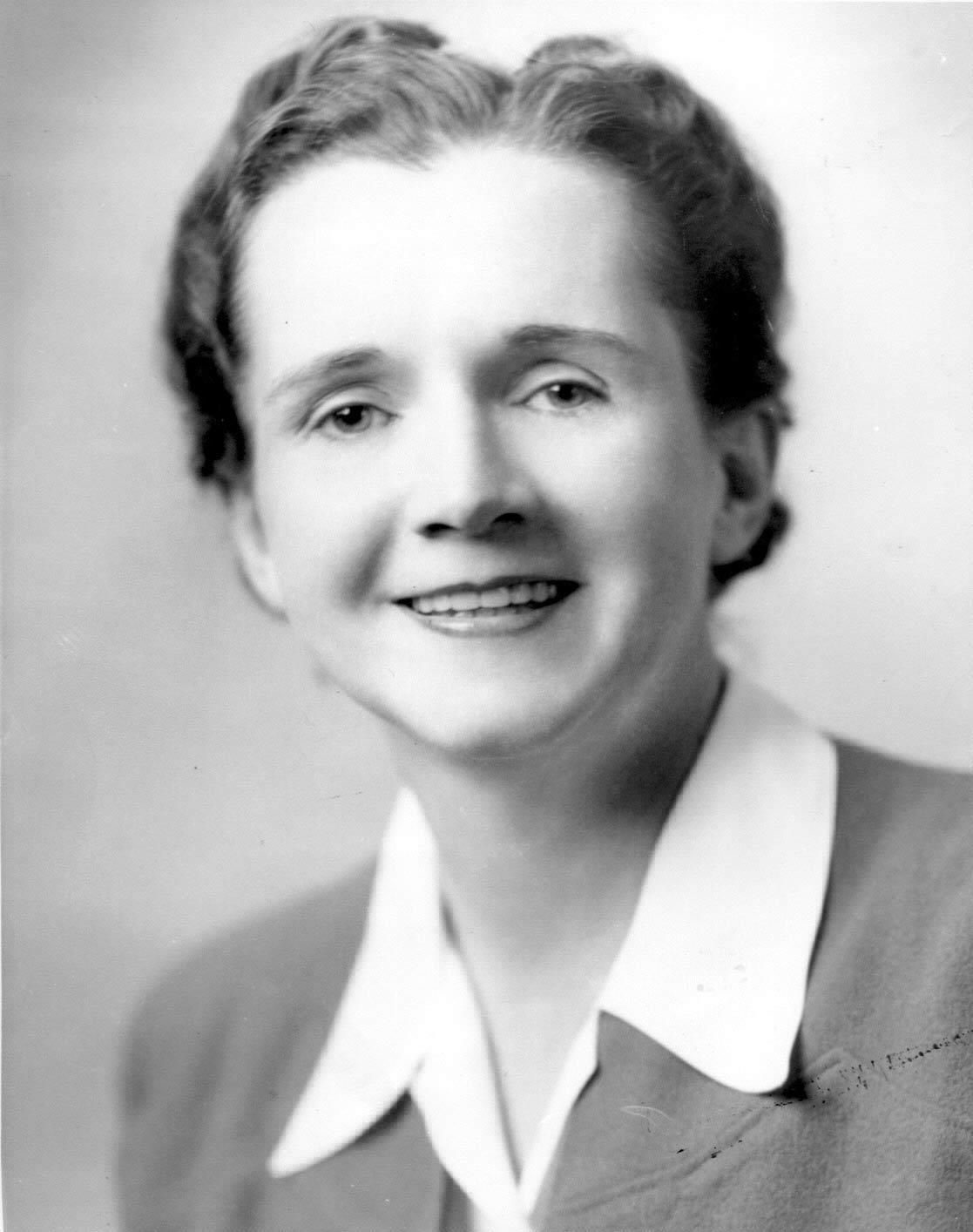
U.S. Fish and Wildlife Service, Public Domain · Wikimedia Commons (hosted locally by this app; byte-identical to the original -- recompression saved a negligible amount here) · Public Domain
1907 — Born.
1936 — Began her career as a scientist and writer at the U.S. Bureau of Fisheries.
1951 — Published The Sea Around Us, her breakthrough work of popular nature writing.
1962 — Published Silent Spring, a rigorously sourced case against pesticide overuse.
1963 — Testified before a U.S. Senate subcommittee, defending the book's findings against industry attacks.
1964 — Died, having continued defending the book's findings until her death.
Silent Spring (1962) synthesized and cross-checked a large body of existing scientific research on pesticide effects into a single, rigorously sourced argument, backed by more than fifty pages of source notes — a book built to hold up under scrutiny, not only to persuade.
The book is widely credited with catalyzing the modern environmental movement and with directly influencing U.S. pesticide policy, including the eventual domestic ban on DDT — a documented, traceable policy impact, not only a broad cultural one.
Her career spanned marine-biology research, government science writing at the U.S. Bureau of Fisheries, and popular science writing — The Sea Around Us and Silent Spring among them — sustained, serious output in each rather than a single late-career turn toward advocacy.
After Silent Spring's publication, she continued to publicly defend its findings, including testimony before a U.S. Senate subcommittee, sustaining that defense through a well-funded industry campaign against her personally and professionally, up until her death not long after the book appeared.
She carried out the final stages of the Silent Spring project, and its public defense afterward, while privately managing a diagnosis of terminal cancer that she chose not to disclose publicly at the time.
The profile's risk_tolerance score is worth reading alongside the fuller context here: this was sustained public exposure to a professional attack campaign, carried out while she was also managing a serious personal medical circumstance she chose not to disclose — two separate kinds of strain held at once, not one explaining the other. Risk Tolerance
Once her book royalties made it possible, she left her stable government position at the Bureau of Fisheries to write independently full-time — a documented, deliberate exit from institutional security rather than a continuation of it.
Carson published Silent Spring anticipating, correctly, that it would provoke a direct and sustained attack from the chemical industry on both her science and her personal credibility. Rather than retracting or softening her position under that pressure, she continued publicly defending the book's findings for the rest of her life.
This is about as clean a test of the profile's high conflict_tolerance score as the record offers: she chose to publish already knowing what would follow, which is a stronger claim than simply refusing to back down once criticism arrived unexpectedly. Conflict Tolerance
People whose overall profiles resemble theirs.



Not a rival — a different profile shape worth a look.
