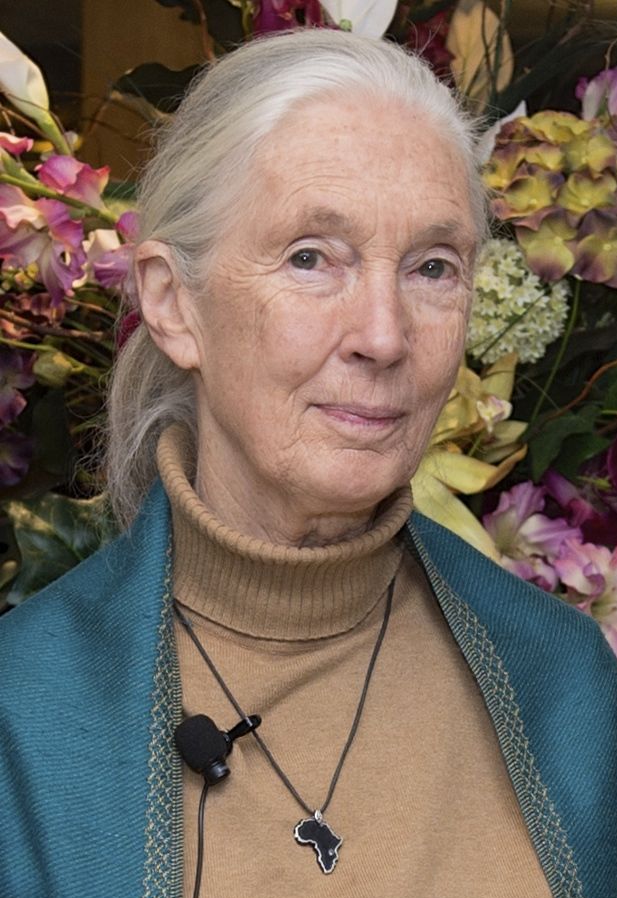
Jane Goodall
85% Profile Match
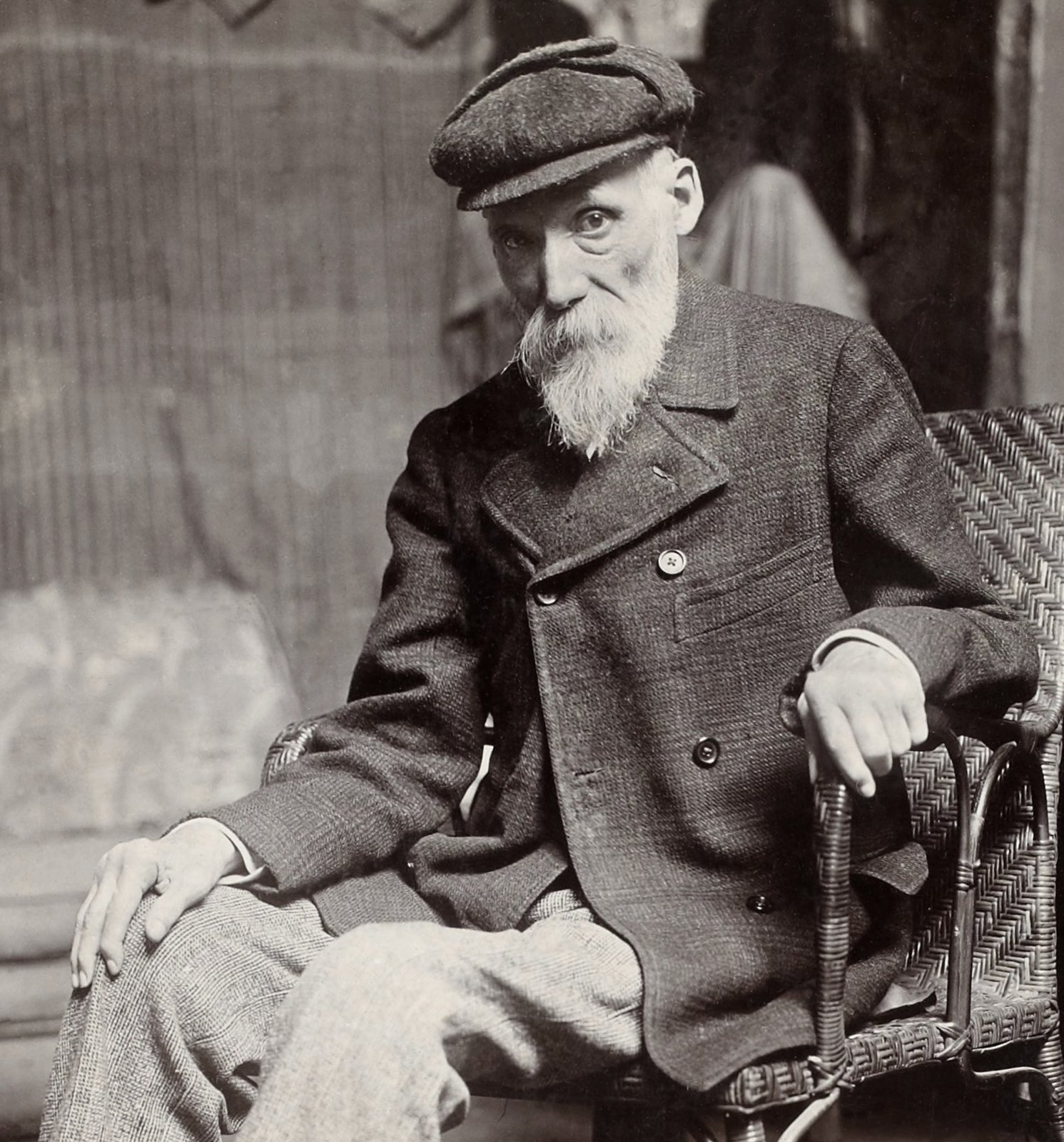
Dornac, about 1910, Bibliotheque nationale de France (Gallica) · Photograph by Dornac (Paul Marsan), about 1910, from the album 'Nos contemporains chez eux' (1887-1917), Bibliotheque nationale de France, Gallica; file as hosted on Wikimedia Commons · Public domain (photographer died 1941; Bibliotheque nationale de France Gallica record states 'domaine public'; photograph made about 1910)
painter · 19th Century
1841–1919
Not yet included in personality matching — the documented evidence doesn't yet cover enough of the personality model. Everything else on this page is fully available.
In 1876 Renoir painted Bal du moulin de la Galette, a large scene of dancers at a Montmartre dance hall, and showed it at the Impressionist exhibition of 1877. In 1880-81 he painted Luncheon of the Boating Party on the balcony of the Maison Fournaise at Chatou, using friends as sitters; it is now in the Phillips Collection in Washington. The critic Theodore Duret counted the boating picture among the most important he painted.
Renoir took part in the first Impressionist exhibition in 1874 in the former studio of the photographer Nadar, showing five oil paintings and a pastel, among them La Danseuse and La Loge, and exhibited with the group again in 1876, 1877 and 1882. The National Gallery of Art calls him one of the founding members of the movement. In the pictures of 1877 he gave figures and ground in sunlit foliage a violet tint, which the public of the time took for ignorance.
After a journey through Venice, Rome, Naples and Palermo in the winter of 1881-82, Renoir turned toward firmer, drawn form and the study of Raphael and the old masters. He spent three years on The Large Bathers, preparing it with many drawings, and exhibited it at the Galerie Georges Petit in Paris, where it was harshly criticised. The Philadelphia Museum of Art, which owns the painting, notes that he never again put such painstaking effort into a single work.
In May 1876 Renoir and his friend Georges Riviere searched Montmartre for a room near the dance hall, where Renoir planned a large picture, and found a furnished room with a former stable for storing canvases in rue Cortot. Riviere says Renoir wanted the dance hall's regulars rather than professional models and bought a dozen of the fashionable 'timbale' straw hats to give to the young women who might pose. The work was expected to take most of the summer.
Setting up a studio, a store for the canvas and a group of sitters for a picture expected to take most of a summer is consistent with persistence; the account comes from a close friend who was there. Persistence
Renoir joined other Impressionists in public sales at the Hotel Drouot in March 1875 and May 1877. Theodore Duret reports that his twenty paintings in 1875 brought 2,150 francs in all and sixteen in 1877 brought 2,005 francs, and that he tried no more such sales. He turned to portraits for patrons, among them the collector Choquet, the publisher Georges Charpentier and the Berard family. Portraits of Madame Charpentier and of the actress Jeanne Samary were accepted and hung prominently at the Salon of 1879.
Dropping a sales route that had failed twice and moving to commissioned portraits, including a return to the Salon, is consistent with adaptability; Duret is a near-contemporary critic and collector, and much of the motive is his reading. Adaptability
Around 1883 Renoir told his dealer Ambroise Vollard that he had 'wrung Impressionism dry' and felt he knew neither how to paint nor how to draw. He turned to the museums and to Cennino Cennini's handbook of fifteenth-century methods and, after his Italian journey, spent three years on The Large Bathers. The work was attacked, and he later said that in these years he had dried the oil out of his colours, which left fragile paint surfaces.
Naming a weakness in his own method and changing it, despite a hostile reception, is consistent with belief updating; the explanation of why is mostly his own later account to Vollard. Belief Updating
People whose overall profiles resemble theirs.



Not a rival — a different profile shape worth a look.
