Ada Lovelace
93% Profile Match

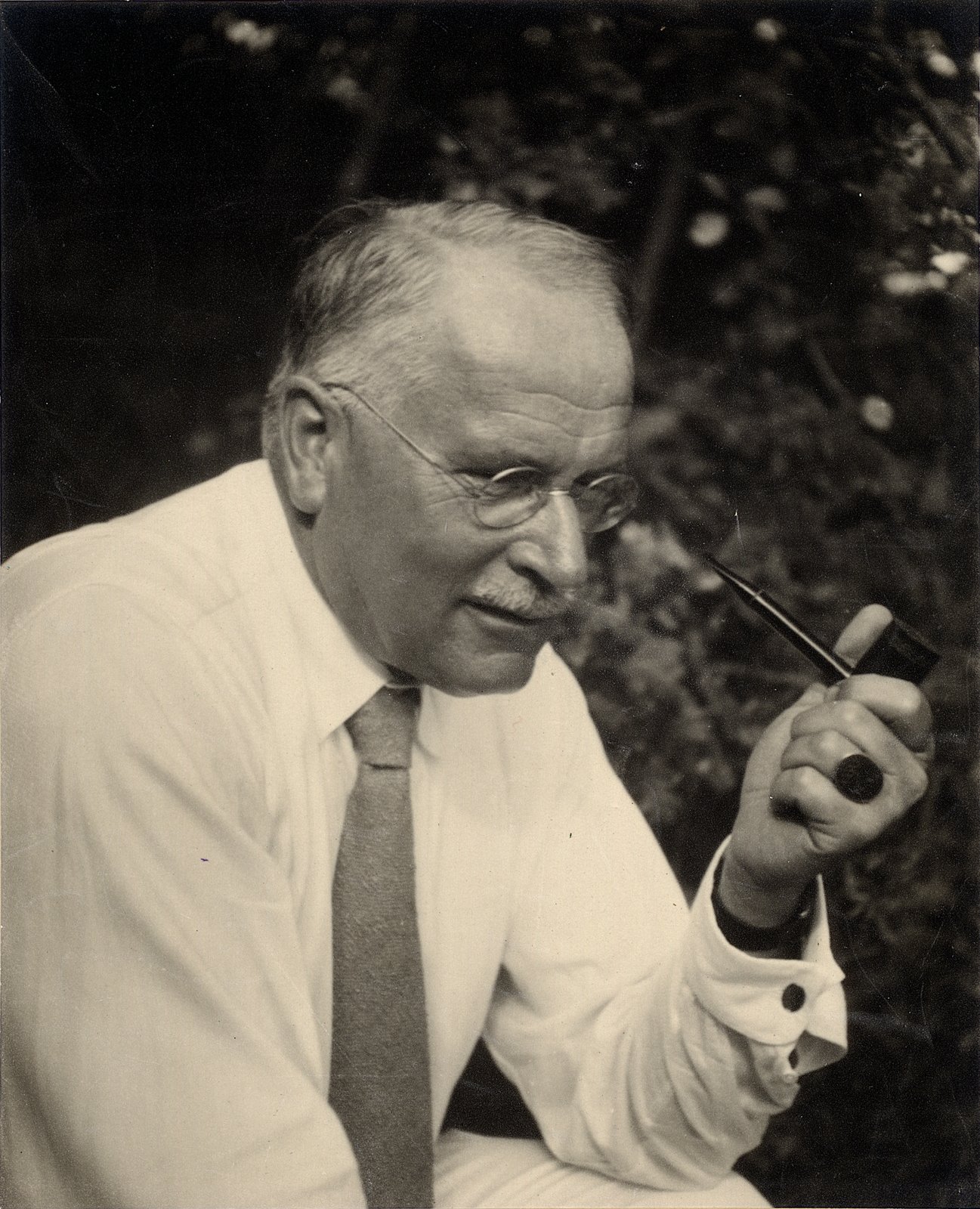
Miguel Cabrera, c.1750, Museo Nacional de Historia, Castillo de Chapultepec, Mexico City — a posthumous portrait painted approximately 55 years after Sor Juana's death, not a lifetime likeness · Wikimedia Commons (recompressed derivative) · Public Domain
1648 — Born.
1664 — Joined the viceregal court in Mexico City, where scholars examined and were impressed by her knowledge.
1669 — Entered convent life, a deliberate choice to secure time and autonomy for study rather than marriage.
Following decades — Produced a body of poetry and drama regarded as among the most original writing of the Spanish Golden Age.
1691 — Wrote La Respuesta, systematically defending women's right to intellectual life.
Late life — Pressured by Church authorities to give up her library and writing; died not long after, in 1695.
By her own account she taught herself to read as a small child, learned Latin in a small number of lessons, and went on to assemble one of the largest private libraries in colonial Spanish America — roughly 4,000 volumes.
She produced a substantial body of poetry and theatrical drama that literary scholarship regards as among the most original writing of the Spanish Golden Age.
In La Respuesta a Sor Filotea de la Cruz, written directly to a bishop who had publicly criticized her, she built a systematic, point-by-point theological and philosophical argument defending women's right to intellectual life as a general principle, not only a defense of her own individual case.
As a teenager, she was examined by a panel of scholars at the viceregal court and, by contemporary and later accounts, impressed them with the range of her knowledge — a specific, documented instance of direct public intellectual engagement before she entered convent life.
This episode is worth separating from her later, more solitary convent scholarship: it shows the same intellectual range on direct public display, in a setting she did not control, rather than developed privately on her own terms. Social Assertiveness
She entered convent life as a deliberate, strategic choice rather than a purely religious calling: by her own documented account, it secured the time and personal autonomy for sustained study that marriage would not have allowed a woman in her era.
This reads less as resignation to circumstance and more as the profile's resourcefulness score in a specific, well-documented form: locating an unconventional route to a goal — sustained scholarly life — that had no direct path open to her. Resourcefulness
Late in her life, after years of sustained disagreement with Church authorities over her intellectual pursuits, Sor Juana was pressured into giving up both her library and her writing. The scholarly and literary output that had continued for decades effectively ended there, not long before her death.
Worth stating plainly rather than smoothing over: the profile's high persistence and conflict_tolerance scores describe how long she sustained her position, not that she prevailed in the end — the record includes a real defeat, not only a long resistance. Persistence
People whose overall profiles resemble theirs.