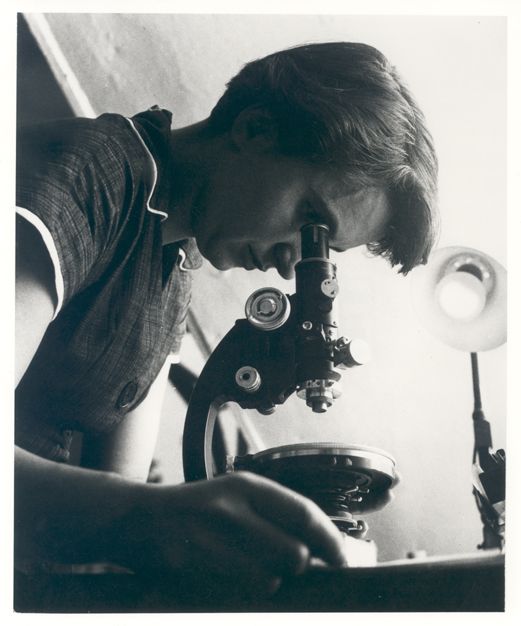
Rosalind Franklin
96% Profile Match
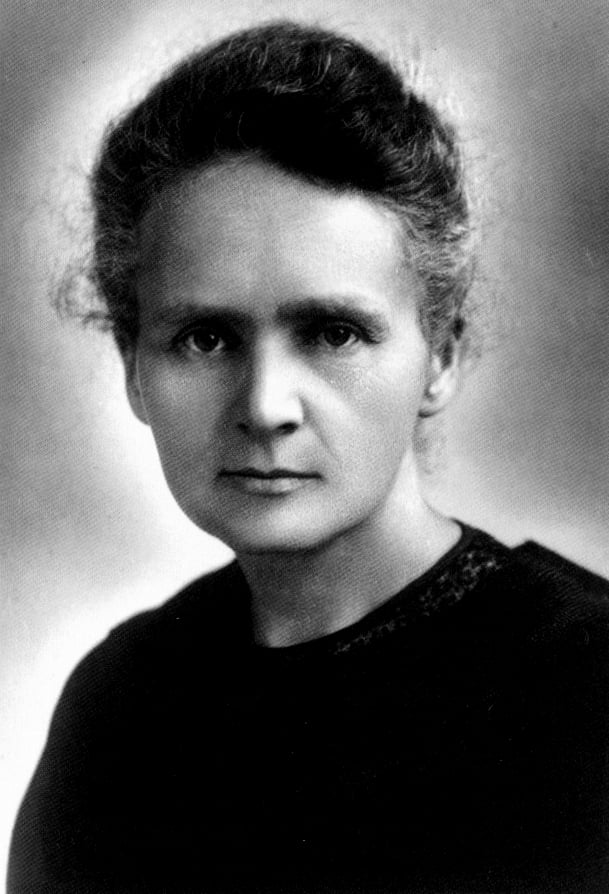
Collection Guy et Marie José Pallardy · Wikimedia Commons (hosted locally by this app as a recompressed derivative; see licenseUrl for the original) · Public Domain
1867 — Born.
1898 — Discovered the elements polonium and radium with Pierre Curie.
1903 — Won the Nobel Prize in Physics — the first of two Nobel Prizes in different sciences.
1906 — After Pierre died in an accident, took over his Sorbonne professorship — its first female professor.
1911 — Won a second Nobel Prize, in Chemistry.
1934 — Died.
The first person to win Nobel Prizes in two different sciences — Physics in 1903 and Chemistry in 1911 — for work that named and established the field of radioactivity.
Discovered the elements polonium and radium, isolating them from tons of raw ore years before either could be produced any other way.
During the First World War, developed mobile X-ray units nicknamed "petites Curies" and personally drove them to the front lines to help surgeons locate shrapnel and treat wounded soldiers.
Processed several tons of pitchblende ore by hand over roughly four years in a converted shed with a leaking glass roof and no proper ventilation, using improvised equipment, to isolate a fraction of a gram of pure radium.
This is consistent with the profile's very high discipline and persistence scores — years of unglamorous, physically demanding labor with no guarantee the ore would yield anything at all. Discipline
Continued working directly with radioactive material for years without protective measures that were not yet understood to be necessary — her notebooks are still radioactive enough today that they are stored in lead-lined boxes.
After her husband and research partner Pierre was killed in a street accident in 1906, she took over his professorship at the Sorbonne — becoming its first female professor — and continued the research programme alone rather than stepping back from it.
This helps explain the profile's high autonomy_need score: choosing to carry a shared research program forward alone, in public, rather than let it end with her collaborator. Need for Autonomy
People whose overall profiles resemble theirs.