Yayoi Kusama
94% Profile Match

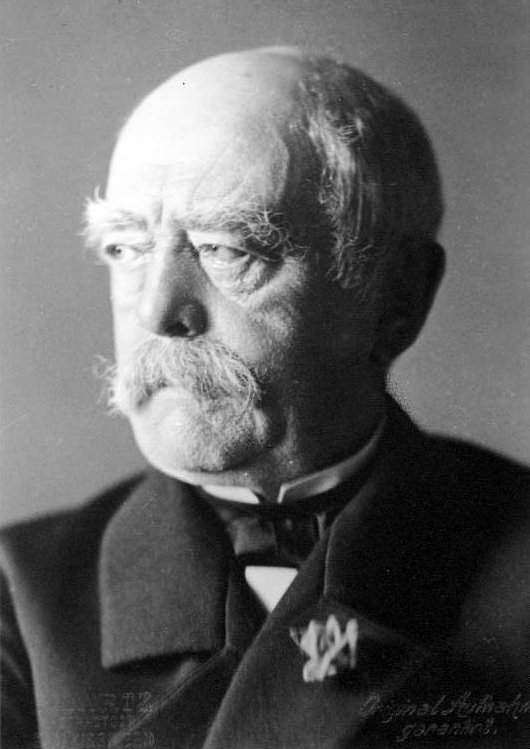
Moritz Nähr, 1930 · Wikimedia Commons · Public Domain (photographer died 1945)
1889 — Born in Vienna into one of Austria's wealthiest families.
1906–1911 — Studied engineering, first in Berlin and then aeronautical research at Manchester, before turning to philosophy and arriving at Cambridge in 1911 to study logic under Bertrand Russell.
1914–1918 — Served in the Austro-Hungarian Army through the First World War, continuing to write during his service and later Italian captivity.
1921 — Published the Tractatus Logico-Philosophicus, then renounced his family inheritance and left academic philosophy, working for most of the 1920s as a rural Austrian schoolteacher and later an architect.
1929 — Returned to Cambridge, and over the following two decades developed a substantially different later philosophy that he said corrected "grave errors" in his own earlier work.
1951 — Died in Cambridge; Philosophical Investigations was published posthumously two years later.
He published the Tractatus Logico-Philosophicus in 1921, then declared philosophy's fundamental problems "solved" and left academic philosophy for roughly a decade — working as a rural Austrian schoolteacher and later an architect — before returning once dissatisfied with his own earlier conclusions.
In the preface to Philosophical Investigations, published after his death, he stated the later work should be read alongside the Tractatus specifically because it corrected "grave errors" in his own earlier thinking — one philosopher publicly and substantively overturning his own prior major work.
This is one of the more direct, self-documented instances of belief_updating in the roster: not a private reconsideration, but a public statement naming his own earlier work's errors. Belief Updating
He renounced his entire inheritance — he was born into one of the wealthiest families in Austria — to live an ascetic life with essentially no financial security, a specific documented act rather than a general reputation for austerity.
Students and colleagues, including Bertrand Russell, documented him for intense, sustained concentration during philosophical work, including reportedly pacing for hours while working through a single problem.
During the First World War's aftermath he sustained six years of demanding work as a rural Austrian primary-school teacher — a role, and social position, far outside his prior academic standing and family wealth — part of what his biography describes as a deliberate, sustained pursuit of what he called "the duty of full self-expression" across a series of exacting roles: soldier, schoolteacher, architect, wartime hospital orderly, and returning philosopher.
This sequence — each role taken up with total commitment and completed rather than abandoned partway — is the central documented thesis of his biography, and is consistent with the profile's persistence score. Persistence
People whose overall profiles resemble theirs.


Not a rival — a different profile shape worth a look.