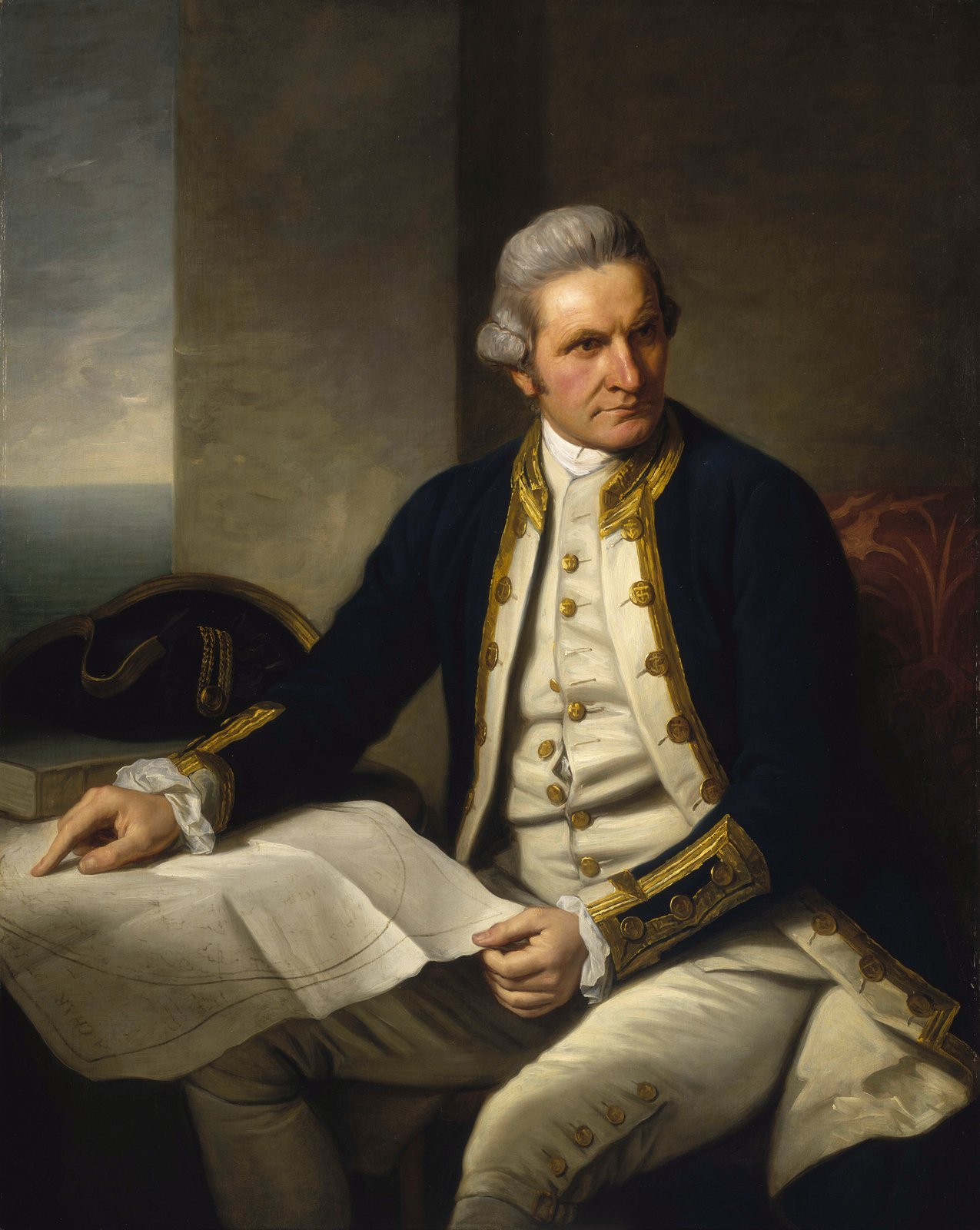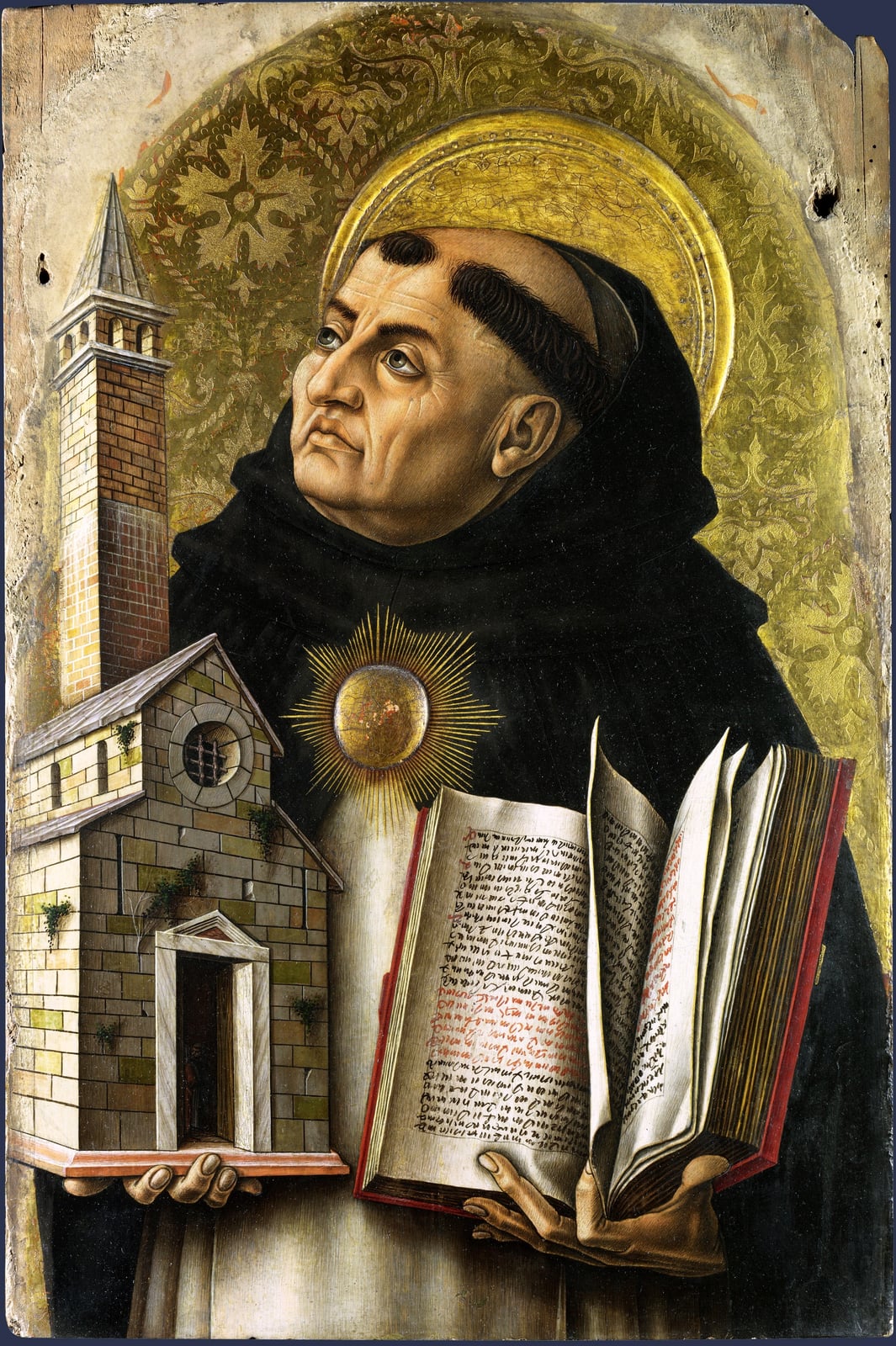

Nathaniel Dance-Holland, Captain James Cook, 1776, National Maritime Museum, Greenwich (public domain; author died 1811) · National Maritime Museum, Greenwich, London (Greenwich Hospital Collection, BHC2628), via Wikimedia Commons · Public domain
Trait Constellation
Key Achievements
From 1763 to 1767 Cook surveyed the coasts of Newfoundland and the adjoining shore of Labrador, working mostly from the schooner Grenville. A 2018 scholarly review notes that no one denies the quality of these surveys and that they were not superseded, even in part, until the 1830s.
Cook's own reports state that no dangerous case of scurvy occurred on the 1768-71 Endeavour voyage, and that on the 1772-75 Resolution voyage he lost only four men, none of them to scurvy. Kodicek and Young call the second result remarkable for its time, while noting that 31 men of the Endeavour later died of dysentery and malaria after Batavia.
Moments That Reveal Them
On the night of 10-11 June 1770 (the two journals date it a day apart), the Endeavour struck a coral reef off north-eastern Australia. Banks's journal and Cook's own record both describe the crew throwing guns, ballast and stores overboard, laying out anchors, and later covering the leak with a sail stuffed with oakum and wool, an expedient Banks says one of the midshipmen proposed. The ship was then brought to a river mouth where she could be repaired.
The sequence, ending in a repair adopted from a junior officer's suggestion, is consistent with the profile's resourcefulness reading: improvisation with the materials and ideas at hand rather than a plan fixed in advance. Resourcefulness
On 30 January 1774, at 71 degrees 10 minutes south, the Resolution met a solid ice field. Forster recorded that it was impossible to proceed and the ship was put about; Cook wrote that going on would have been 'a dangerous and rash enterprise', and added that he, with the ambition to go as far as was possible for man, was not sorry at the interruption.
It offers one example of a risk appetite that accepted a hazardous route yet stopped at a point Cook himself judged rash; by itself it does not settle how he weighed risk elsewhere. Risk Tolerance
Turning Points
In 1755, after nearly a decade in the North Sea coal and Baltic trades and with command of a merchant ship reportedly on offer, Cook volunteered for the Royal Navy as an able seaman. He was made master's mate within a month and had qualified as a master by 1757; at Louisbourg in 1758 he began learning plane-table surveying from the army engineer Samuel Holland.
One reading, consistent with the profile's achievement-drive row, is that he traded a secure merchant command for a lower rating in a service that offered a path to advancement; the sources read here do not record his own reasons. Achievement Drive
Similar People
People whose overall profiles resemble theirs.
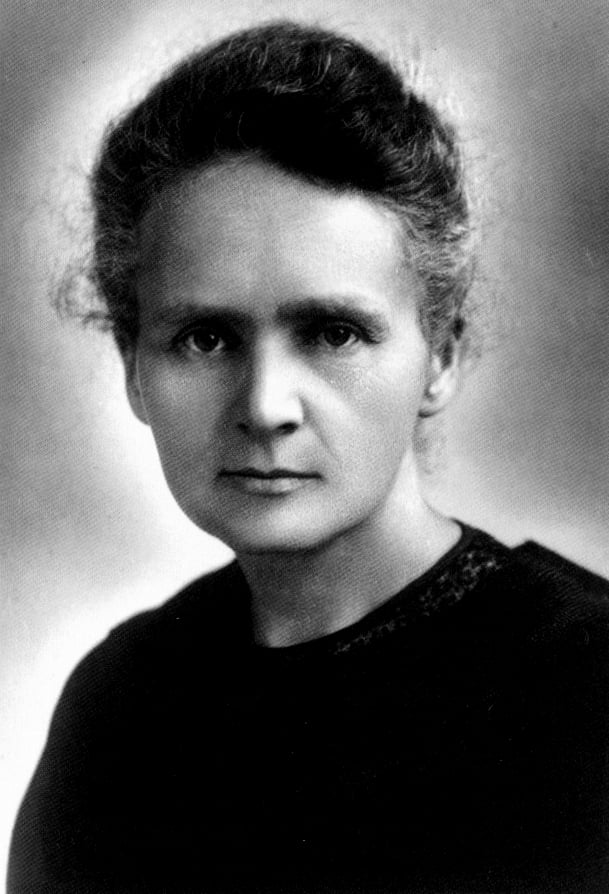

Marie Curie

Rosalind Franklin

Yi Sun-sin

John D. Rockefeller

Thomas Aquinas
Opposite Profile
Not a rival — a different profile shape worth a look.
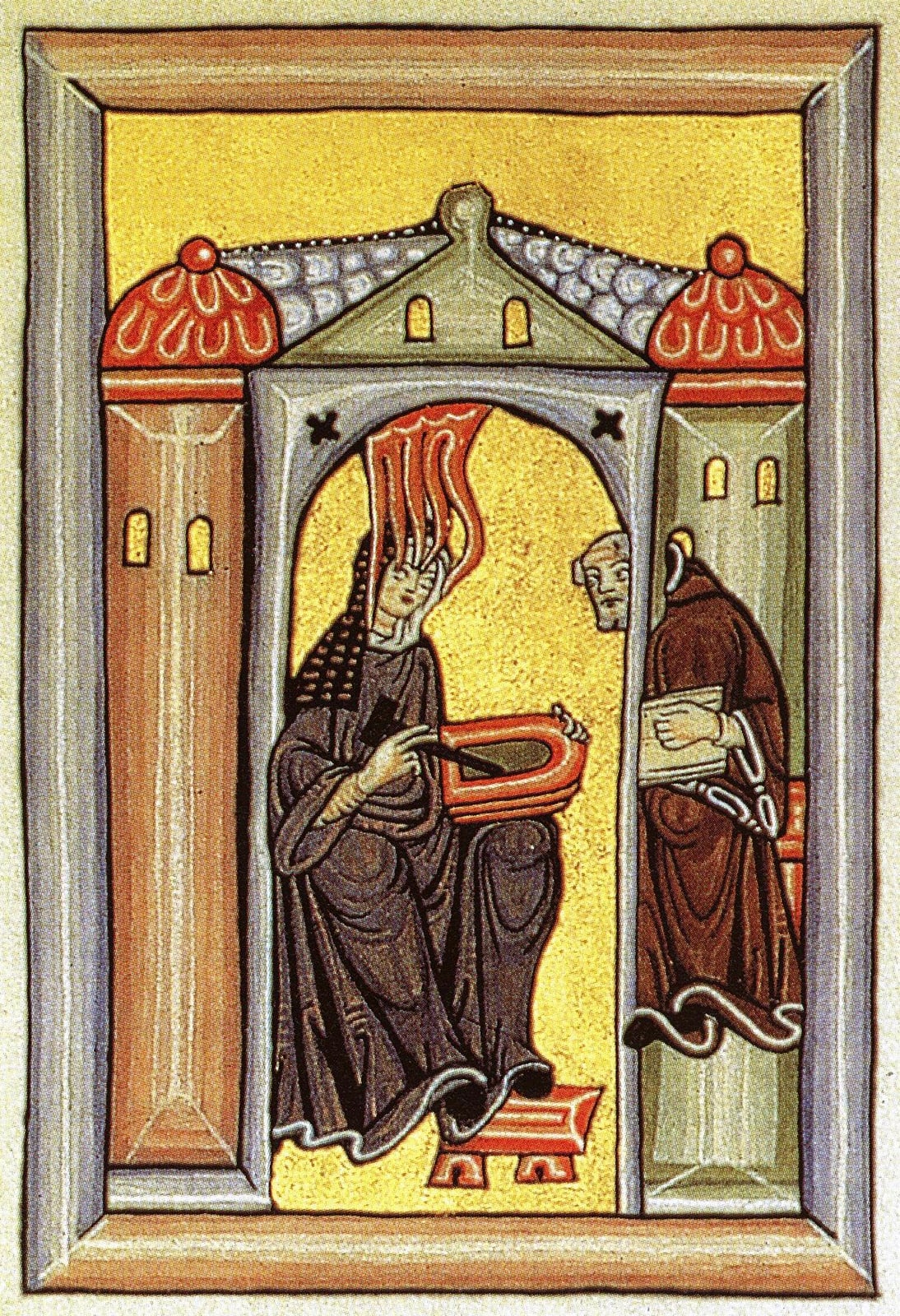
Hildegard of Bingen
Sources
- James Cook -- orientation only (identity, dates, occupations); not used as support for any scored row. Fetched and read.
- James Cook (Q7324) -- identity verified live: label 'James Cook', description 'British explorer, cartographer and naval officer (1728-1779)', citizenship Kingdom of Great Britain; also read through the Wikidata API (labels/descriptions/claims incl. P18). Orientation only.
- Joseph Banks, The Endeavour Journal of Sir Joseph Banks (1768-71), Project Gutenberg Australia text prepared from the State Library of NSW manuscript -- INDEPENDENT FIRSTHAND observer aboard the Endeavour (non-self for Cook). Full text retrieved; the entries read closely were Apr-Jul 1769 (Tahiti: the flogging of 29 Apr, the stolen quadrant of 2 May, the seizure of Tahitian canoes in June, the 3 Jun Transit day, Banks's own scurvy notes of 1 Apr) and 10-14 Jun 1770 (the reef grounding, lightening, fothering and search for a harbour). The rest of the journal (about 1.2 million characters) was not read line by line.
- James Cook (ed. W. J. L. Wharton), Captain Cook's Journal During the First Voyage Round the World (1768-71), Project Gutenberg #8106 -- SELF-AUTHORED (Cook's own journal; one perspective together with his published second-voyage account). Full text retrieved; the entries read closely were 16 Sep 1768 (Madeira), 13 Apr 1769 (the sauerkraut passage), 30 May-4 Jun 1769 (Transit of Venus preparations and observation) and 10-13 Jun 1770 (Endeavour grounding, lightening, fothering), plus the editor's notes.
- James Cook, A Voyage Towards the South Pole, and Round the World (1777), vol. 1 full text on whalesite.org -- SELF-AUTHORED published account (Cook's text; same perspective as his journals). Read closely: the General Introduction and Chapter 1 (chronometer protocol, Aug-Sep 1772 current/lunar cross-check) and the 30 Jan 1774 passage at 71 deg 10' S (the ice field, the 'dangerous and rash' remark, the ambition sentence).
- Georg Forster, A Voyage Round the World in His Britannic Majesty's Sloop Resolution (1777), vol. 1, Internet Archive OCR full text -- INDEPENDENT FIRSTHAND account by a naturalist aboard the Resolution (non-self for Cook). Read closely: Dec 1773-Feb 1774 (the return to the antarctic circle, the mate's complaint about rotten biscuit, the ice field at 71 deg 10' S and the decision to put the ship about) and the Sep 1773 Huahine passage on Tubai. The OCR is noisy; only clearly legible passages were used.
- Georg Forster, A Voyage Round the World (1777), vol. 2, Internet Archive OCR full text -- same author and perspective as src_cook_forster_vol1. Read: the passage saying it was the captain's constant care to provide celery and scurvy-grass for his crew (Nov 1774 New Zealand) and other scurvy/sauerkraut remarks.
- E. H. Kodicek and F. G. Young, 'Captain Cook and Scurvy', Notes and Records of the Royal Society of London 24(1), 1969 (Helsinki-hosted PDF) -- peer-reviewed scholarly secondary study by a Cambridge nutrition laboratory director and a FRS; reproduces Cook's letters and reports to the Admiralty/Victualling Board/Royal Society and crew testimony (T. Perry, A. Home, J. Samwell, Sparrman, E. Bell). Read in full.
- Olaf Uwe Janzen, 'The Making of a Maritime Explorer: James Cook in Newfoundland, 1762-1767', The Northern Mariner XXVIII no. 1 (2018), 23-38 -- peer-reviewed scholarly secondary article (cites Holland's 1792 letter, Colvill's 1762 letter, Cook's 22 Jan 1765 letter, Beaglehole, Robson, Hornsby). Read in full.
- Andrew David, 'James Cook's 1763-4 survey of Newfoundland's Northern Peninsula reassessed', The Northern Mariner XIX no. 4 (2009), 393-403 -- scholarly secondary article by a former UK Hydrographic Office hydrographer working from Cook's log (TNA Adm 52/1263) and his charts. Read in full.
- Australian Dictionary of Biography, 'Cook, James (1728-1779)', National Centre of Biography, ANU (Vol. 1, 1966; online 2006) -- reference-work biography summarizing Cook's career: his winters 'reading solidly' at Halifax, the 1755 move to the Navy, the reef grounding and seven-week repair, the 5000-mile charting without a chronometer, and a character assessment. Fetched and read in full.
- Museum of New Zealand Te Papa Tongarewa, 'Biography of Captain James Cook FRS', Collections Online topic overview -- institutional summary of Cook's early career (1755 entry into the Navy as an able seaman at 27, 1757 master's qualification, theodolite/trigonometric surveying) and his stated wish to command the third voyage. Fetched and read in full.