Catherine the Great
90% Profile Match
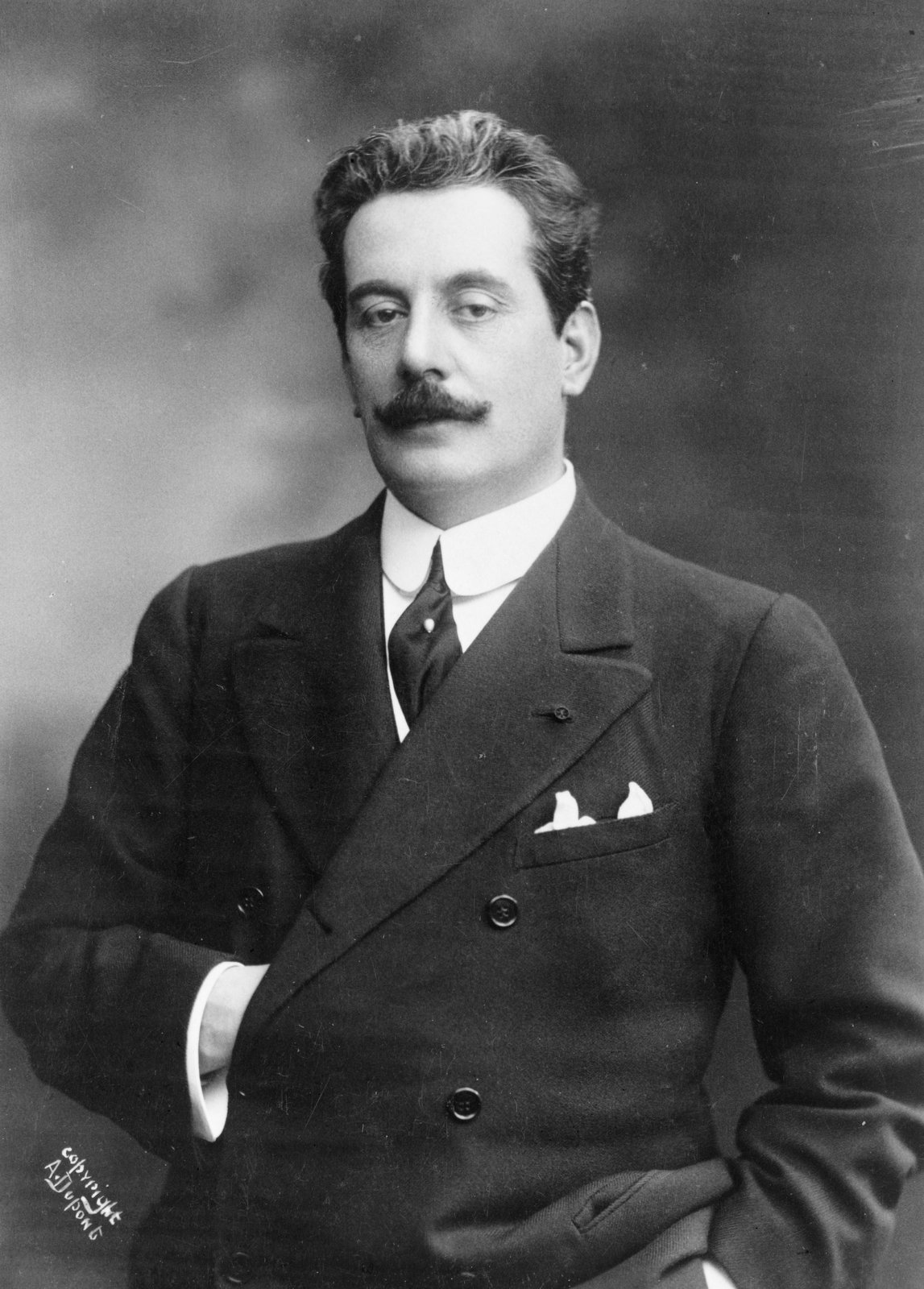
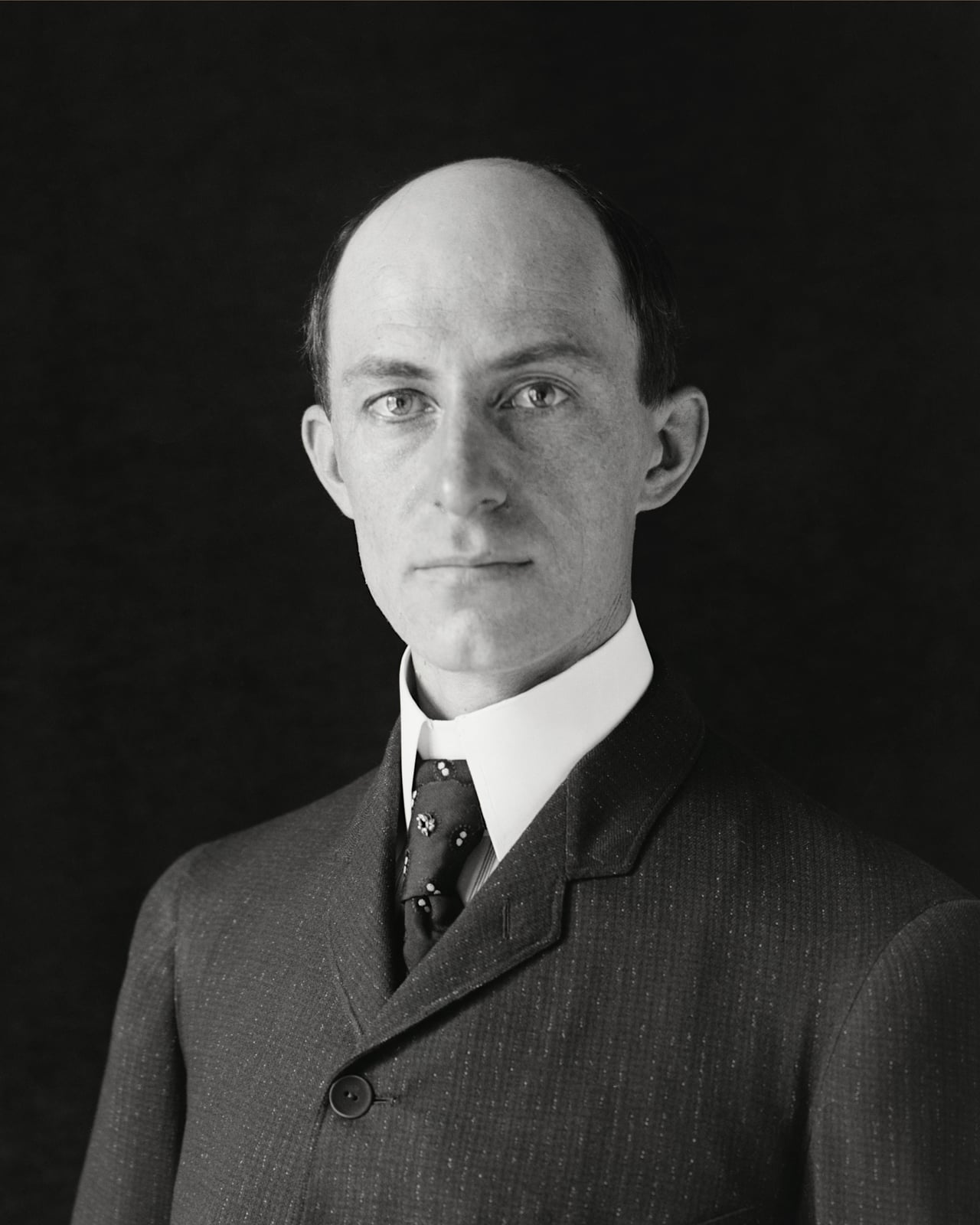
A. Dupont (Aime Dupont studio), New York, about 1908; Library of Congress; cropped from the scan to remove the film border and downscaled · Studio portrait photograph of Giacomo Puccini by A. Dupont, New York, about 1908, held by the Library of Congress Prints and Photographs Division (Miscellaneous Items in High Demand, call number BIOG FILE - Puccini, Giacomo, 1858-1924, reproduction number LC-USZ62-107386), via Wikimedia Commons · Public domain (photograph copyright-registered in the United States about 1908, so published before 1931)
composer · 19th Century
1858–1924
Not yet included in personality matching — the documented evidence doesn't yet cover enough of the personality model. Everything else on this page is fully available.
Puccini's La bohème (Teatro Regio, Turin, 1 February 1896, conducted by Arturo Toscanini), Tosca (Rome, January 1900) and Madama Butterfly (La Scala, Milan, 17 February 1904) became the core of his reputation. Britannica counts them among his mature operas, written with the librettists Giuseppe Giacosa and Luigi Illica, and Butterfly was reworked after its first night and revived in 1904.
La fanciulla del West, based on David Belasco's play, had its world premiere at the Metropolitan Opera, New York, on 10 December 1910, with Toscanini conducting, Emmy Destinn, Enrico Caruso and Pasquale Amato in the leading roles, and Puccini present. He then wrote the three one-act operas of Il trittico (New York, 1918) and began Turandot, which he had not finished when he died in 1924. It was first performed at La Scala on 25 April 1926 under Toscanini, who stopped at the last music Puccini had written; Franco Alfano completed the ending from his sketches.
Puccini entered the one-act opera Le Villi in a competition in 1883; Britannica says the judges did not consider it, but friends led by Arrigo Boito paid for its premiere at Milan's Teatro dal Verme on 31 May 1884. The publisher Giulio Ricordi bought the copyright, asked for it to be expanded to two acts, commissioned a new opera and gave him a monthly stipend. After Edgar (La Scala, 1889) failed, Manon Lescaut, first given at the Teatro Regio in Turin on 1 February 1893, made his position secure, according to Dry.
According to Arnaldo Fraccaroli, who wrote Puccini's biography for his publisher, Puccini asked Giacosa to rework the last act of La bohème because its death scene did not fit the music he had in mind. After Giacosa had redone it three times Puccini went to Giulio Ricordi to ask for a fourth, and Ricordi agreed with him. Marotti and Pagni, two friends, add that Puccini could have whole acts redone three or four times.
Going back for a fourth version of one act is consistent with perfectionism; the accounts rest on Puccini's own telling and friends' memories, and the cost fell on his librettists. Perfectionism
For Turandot, Fraccaroli writes, Puccini wrote to people around the world for Chinese music of every kind, and the British Museum sent him its only known codex of old Chinese rhythms and music. When the librettists Giuseppe Adami and Renato Simoni came to read him their scenario, he first let a Chinese music box playing the imperial hymn sound in the room; he had borrowed it from the collection of Baron Fassini at Bagni di Lucca.
Collecting music from another tradition before writing the opera, from a museum codex to a music box, is consistent with curiosity about other musical worlds; the account comes from Puccini's circle and is a single source for this episode. Curiosity
Madama Butterfly was howled down at its La Scala premiere on 17 February 1904. Dry says Puccini took the score away after the performance, and Fraccaroli, quoting him, says he withdrew the opera that evening and returned the theatre's fee. He reworked it into three acts, dividing the second act, cutting the drunken uncle's episode and enlarging the tenor's part with a new aria, and the new version was received with acclaim at the Teatro Grande in Brescia on 28 May 1904.
Reworking the opera within three months of its failure is consistent with a willingness to change a work in response to how it was received; in the same conversation Fraccaroli has Puccini calling the opera sincere and blaming the broken mood of the evening, so the revision did not mean accepting the verdict. Belief Updating
People whose overall profiles resemble theirs.



Not a rival — a different profile shape worth a look.