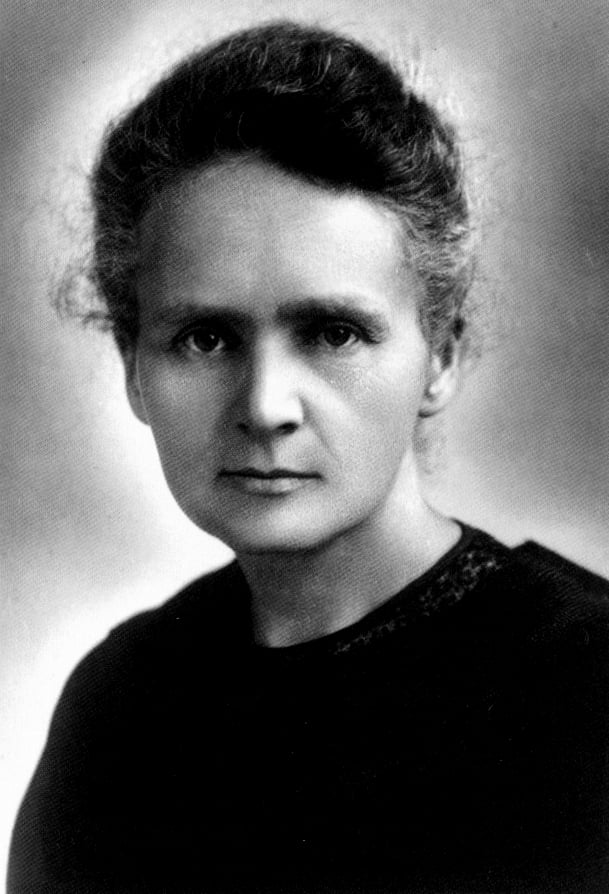
Marie Curie
94% Profile Match
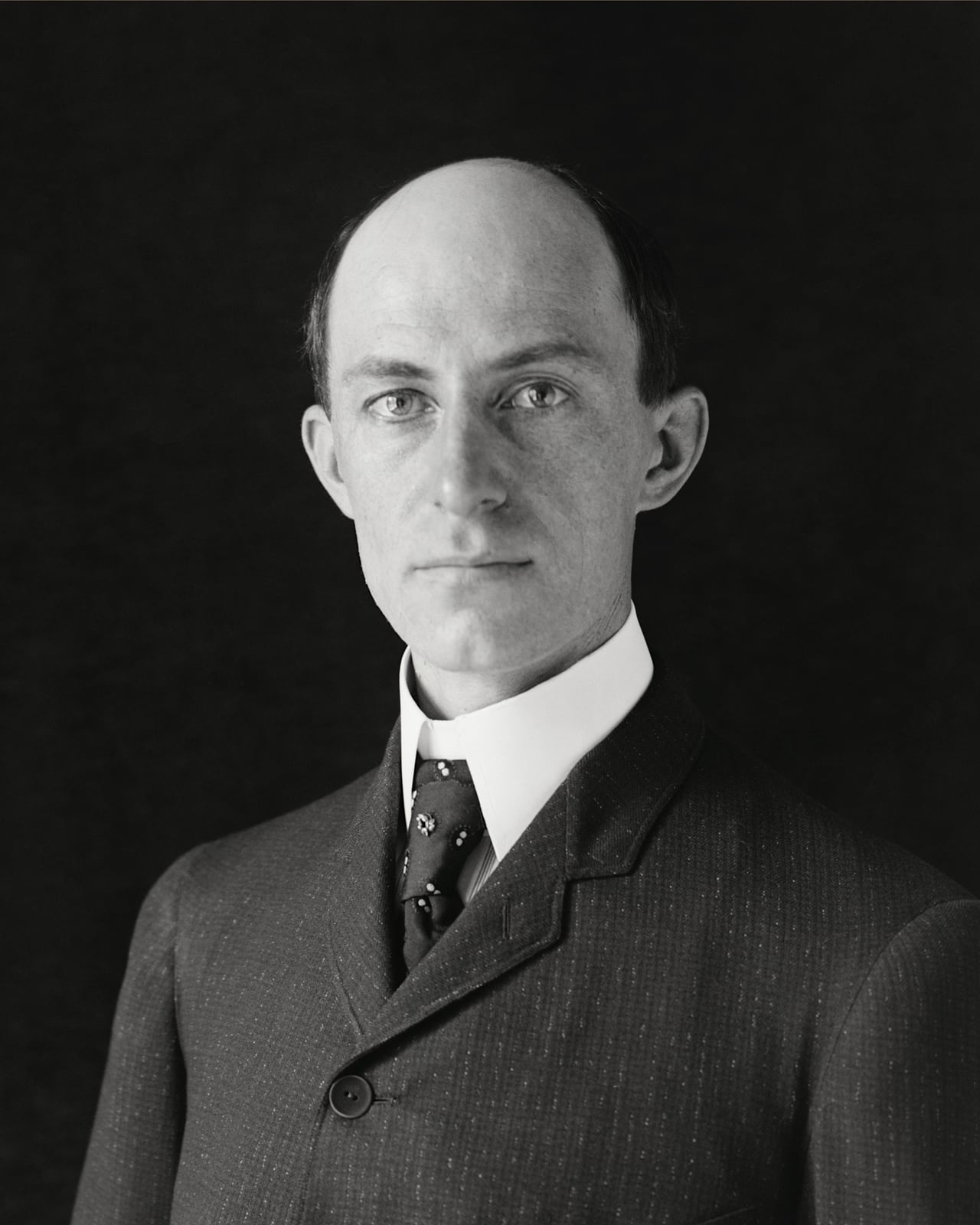
Library of Congress, Prints and Photographs Division, 1905, Public Domain · Wikimedia Commons (hosted locally by this app as a resized/compressed derivative; see licenseUrl for the full-resolution original) · Public Domain
1867 — Born.
1900–1903 — With his brother Orville, ran a systematic research program at Kitty Hawk, building their own wind tunnel after published lift data proved unreliable.
December 1903 — Achieved the first sustained, controlled, powered flight, with Orville.
1903–1908 — With Orville, avoided public demonstrations, prioritizing patent protection over public recognition.
1908 — Organized public demonstration flights in France that convinced skeptical observers.
1912 — Died.
Between 1900 and 1903, Wilbur and his brother Orville ran a staged, systematic research program at Kitty Hawk — building their own wind tunnel once they found existing published lift data unreliable, then testing unpowered gliders across multiple seasons before ever attempting powered flight — culminating in the first sustained, controlled, powered flight in December 1903.
Their three-axis control system — wing-warping for roll paired with a movable rudder for yaw, alongside pitch control — was a genuinely original engineering solution to the flight-control problem that other aviation inventors of the era had not solved, documented via the patent record and subsequent aviation-history assessment.
When their own glider tests failed to match Otto Lilienthal's previously published aerodynamic lift tables, the Wrights concluded the published data itself was wrong rather than assuming their own testing was flawed, and built their own wind tunnel to generate more reliable figures.
Trusting first-hand test results over an established authority's published figures, and then building the tool needed to confirm it, is consistent with the profile's independent_thinking and resourcefulness scores. Independent Thinking
For several years after their first successful flights, Wilbur and Orville deliberately avoided public demonstrations and press coverage, prioritizing patent protection for their still-unpatented invention over public recognition — a documented, sustained choice, not a brief period of caution.
In the years after their invention became public, the Wrights pursued years of aggressive patent litigation against rival aviation developers, including Glenn Curtiss — a documented pattern that protected their invention but that some aviation historians also credit with slowing the broader development of American aviation in the following decade.
After years of guarding their invention from public view, Wilbur organized public demonstration flights in France in 1908 that directly and successfully convinced skeptical press and government observers who had previously doubted their flight claims — a deliberate shift from years of secrecy to public proof, not a change forced by outside pressure.
Choosing exactly when to end years of self-imposed secrecy, rather than being forced into the open, is consistent with the profile's persuasiveness score — a strategic decision, not a change in temperament. Persuasiveness
People whose overall profiles resemble theirs.
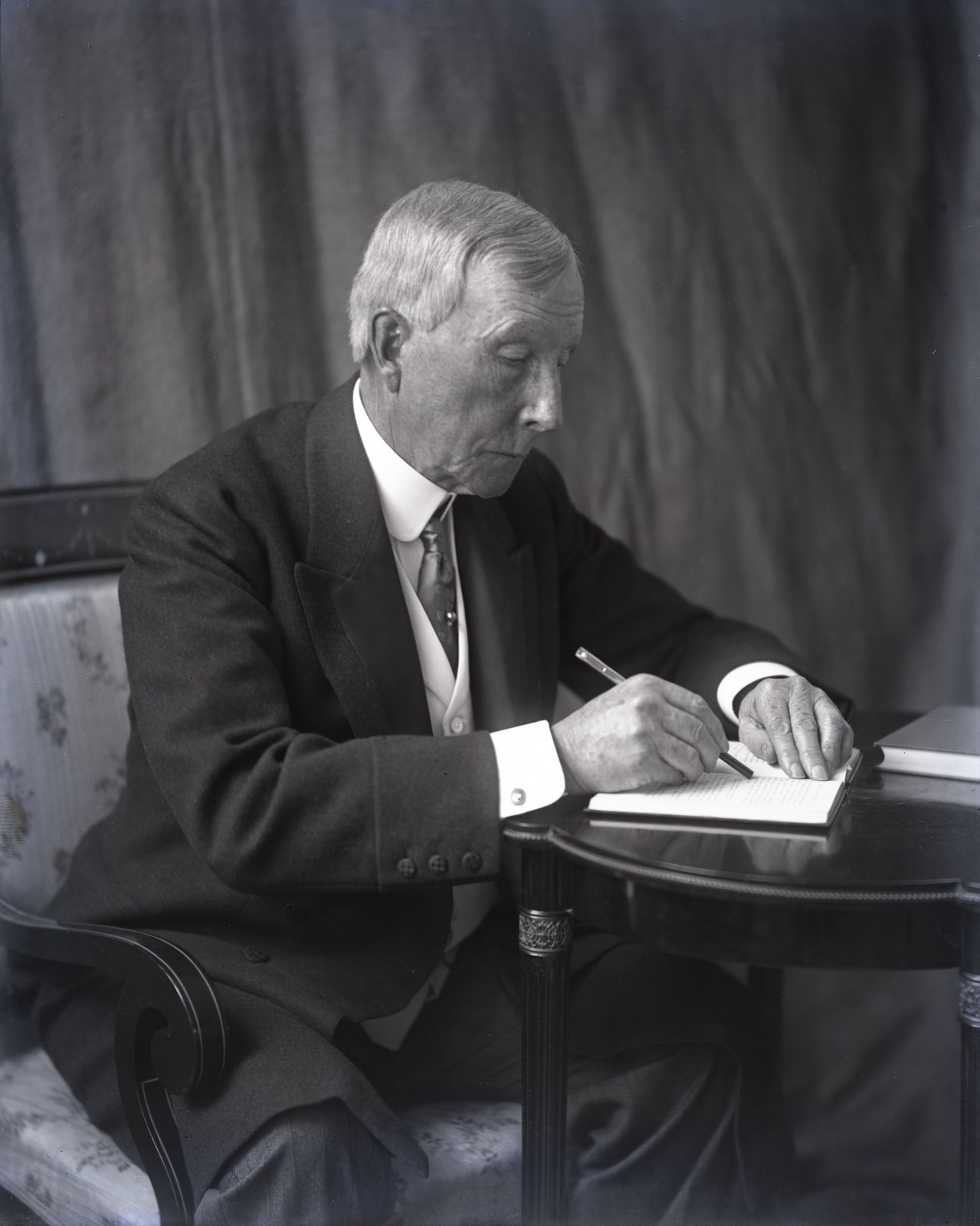

Not a rival — a different profile shape worth a look.