Yayoi Kusama
94% Profile Match
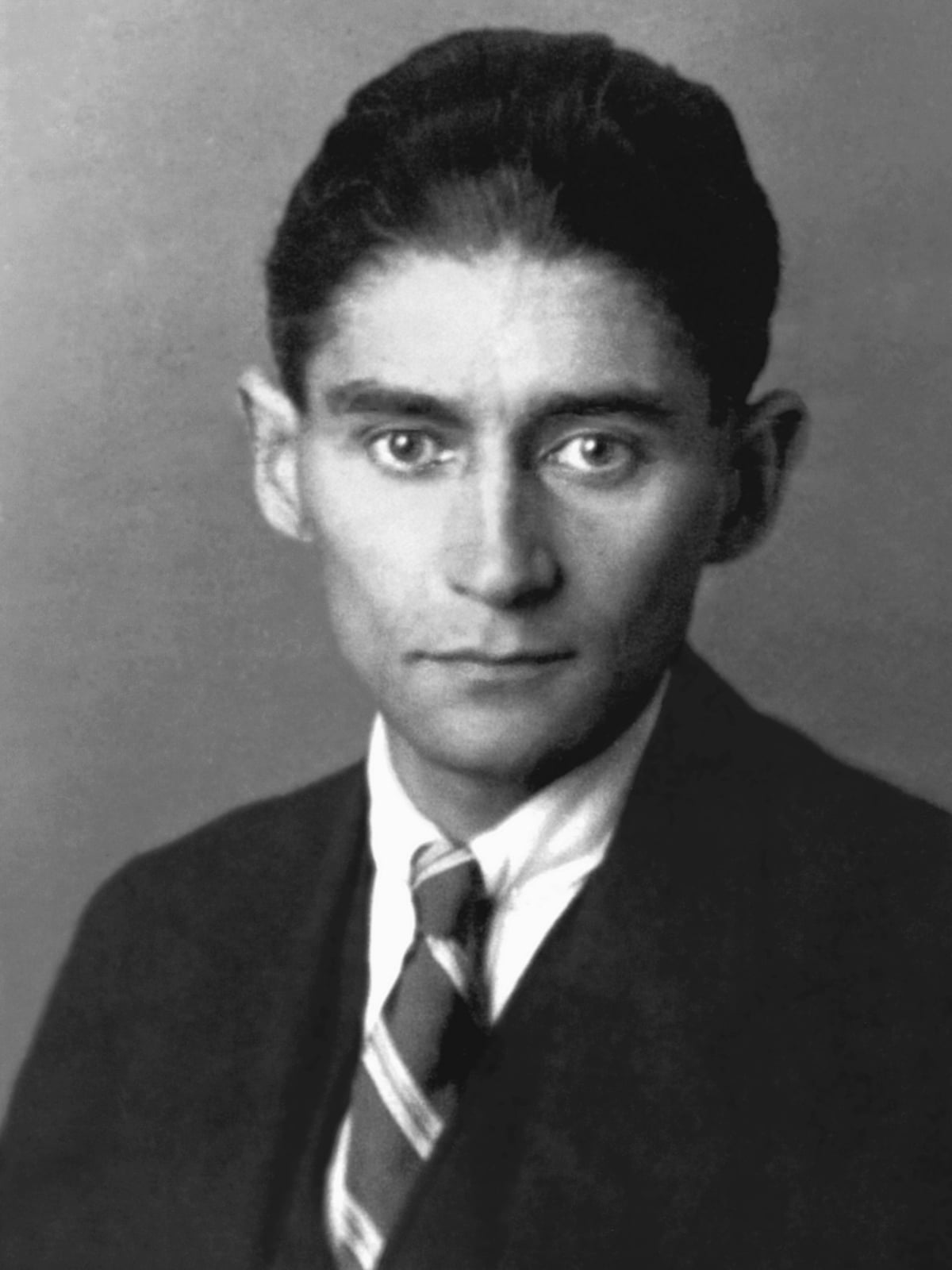
Photographer unknown, probably September 1923, Wertheim department store, Berlin — the last known photograph of Franz Kafka, Public Domain · Wikimedia Commons (hosted locally by this app as a resized/compressed derivative; see licenseUrl for the full-resolution original) · Public Domain
1883 — Born in Prague.
1906 — Earned a law degree from Charles University, then completed a period of unpaid legal clerkship.
1908–1922 — Worked at the Workers' Accident Insurance Institute for the Kingdom of Bohemia, rising from clerk to Senior Legal Secretary, while sustaining an intensive nightly private writing practice across the same years.
1912–1915 — Wrote The Metamorphosis and began The Trial, during the same period as his first engagement to Felice Bauer.
1917 — Tuberculosis was confirmed, beginning years of declining health.
1924 — Died near Vienna; his three unfinished novels were published posthumously after his friend Max Brod declined to destroy them as instructed.
Developed a distinctive narrative mode blending exacting bureaucratic procedure with surreal menace — a style later given his own name, "Kafkaesque" — with no direct precedent in the literature of his time, documented via its lasting critical recognition and terminological legacy.
Over a 14-year career (1908–1922) at the Workers' Accident Insurance Institute for the Kingdom of Bohemia, he rose from entry-level clerk to Senior Legal Secretary — a demanding position he held as one of only two Jewish employees among 263 in 1913 — while sustaining an intensive nightly private writing practice for the same period.
At the Institute, he designed a risk-categorization system for classifying companies by their level of industrial accident risk and drafted workplace safety regulations — professional work documented to have materially reduced industrial accidents in one of the most heavily industrialized regions of Europe, entirely separate from his literary output.
Kafka instructed his friend Max Brod to burn his unpublished manuscripts, including the novels The Trial, The Castle, and Amerika, after his death. Brod did not comply, and all three were published posthumously.
A milder pattern of ordinary revision doesn't quite cover this — wanting nearly all of it erased is closer to what the profile's dual-edged perfectionism score is describing. Perfectionism
His letters to Felice Bauer document a sustained, explicit conflict between wanting a conventional domestic life and needing solitary time to write — a conflict that ultimately ended both of his engagements to her.
Read against the profile's autonomy_need score, this isn't cold feet about marriage in general — his own letters name the specific thing marriage would have cost him. Need for Autonomy
His own letters and diaries, corroborated by contemporaries including Max Brod, consistently describe him as socially anxious and self-doubting in his personal relationships — an honestly low trait score drawn directly from that documented pattern rather than inferred from his literary reputation.
People whose overall profiles resemble theirs.



Not a rival — a different profile shape worth a look.