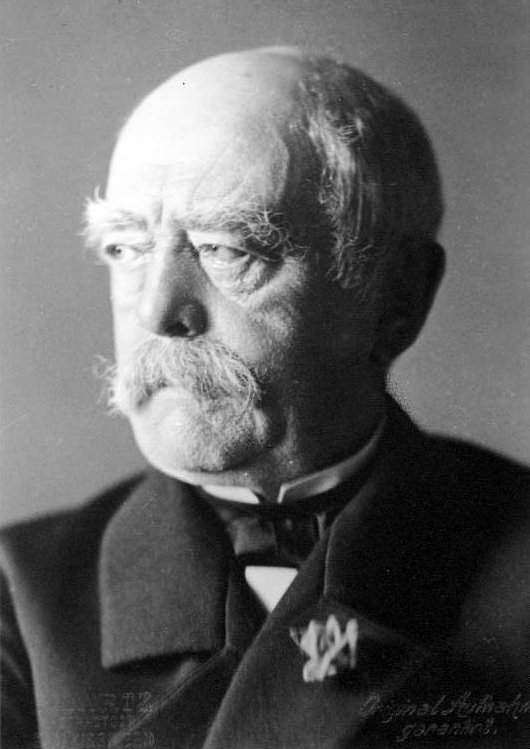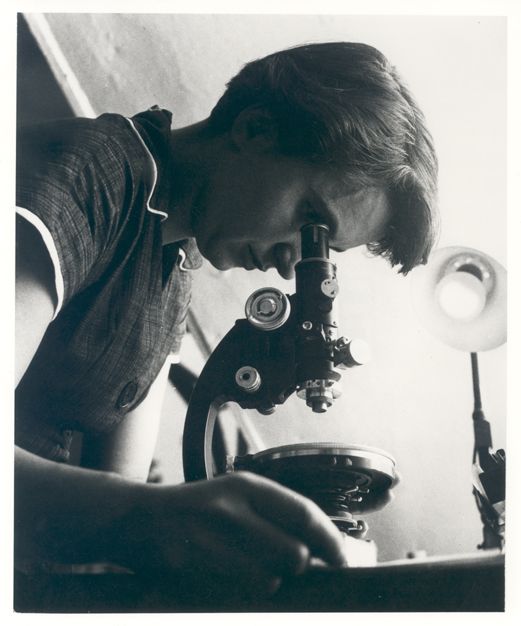
Rosalind Franklin
89% Profile Match
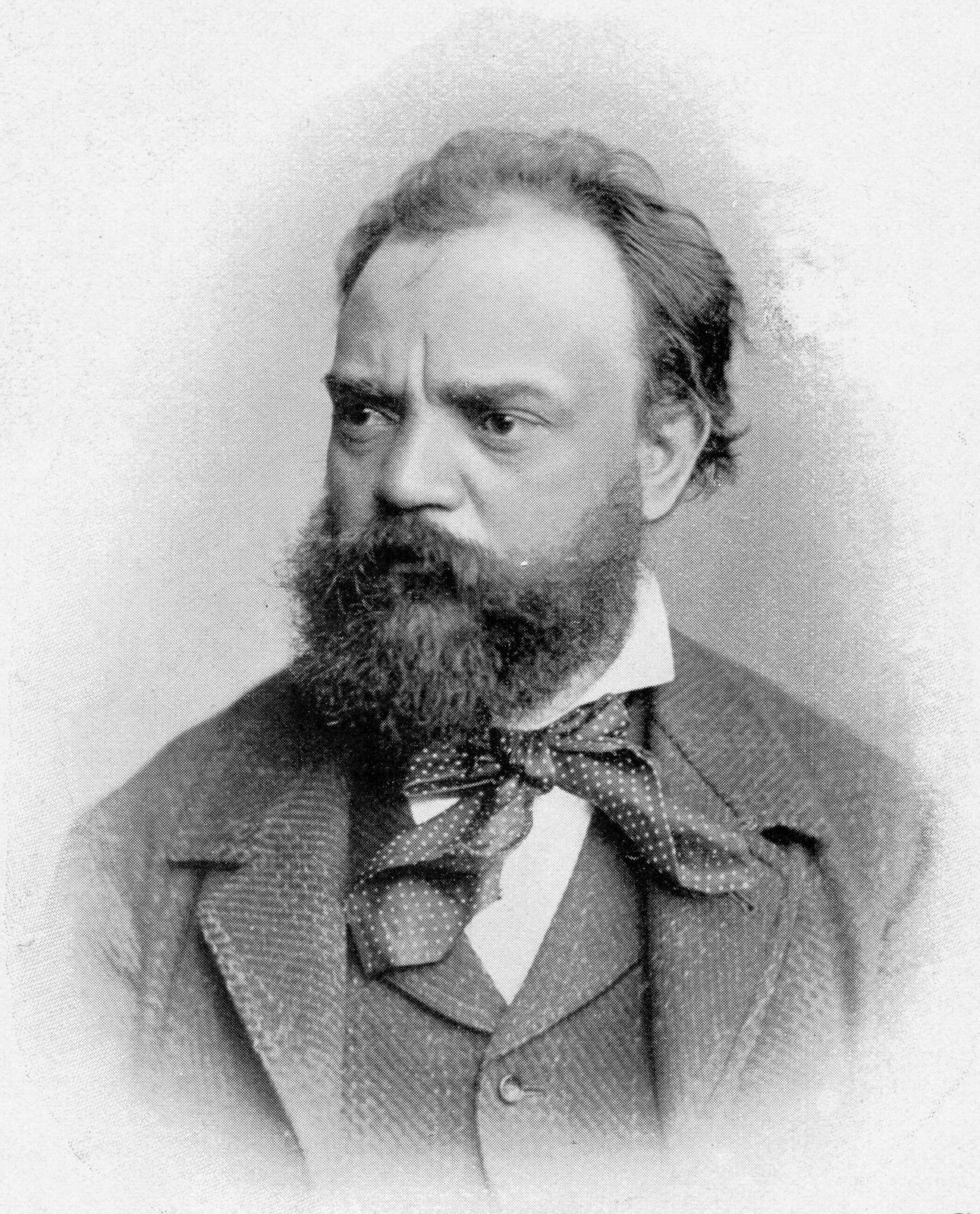
Unknown photographer; Anton Dvorák, photomechanical print of a studio portrait photograph, dated 1900 by the Bibliothèque nationale de France (Commons gives c. 1882 for the underlying photograph); BnF rights note: public domain (domaine public) · Bibliothèque nationale de France, département Musique, Est. Dvořák 001 (photomechanical print, 'Anton Dvorák', plate p. 4), via Gallica ark:/12148/btv1b8417521d and Wikimedia Commons 'Dvorak.jpg' · Public domain
Dvořák wrote his Symphony in E minor, 'From the New World' (Op. 95; now numbered No. 9), in New York in 1893, and the New York Philharmonic Society under Anton Seidl gave its first performance on 16 December 1893. Otakar Šourek notes that the work uses the pentatonic scale and syncopated rhythms Dvořák had met in spirituals and Indian songs, and that Dvořák built some of its themes in the same spirit.
In the 1870s Brahms sat on the Austrian state-grant jury that supported Dvořák, and in 1877 he recommended Dvořák's Moravian Duets to his Berlin publisher, Fritz Simrock. Simrock published the duets and the first series of Slavonic Dances in 1878, and Šourek says their success made Dvořák world famous almost overnight. A London performance of the Stabat Mater in 1883 then led to repeated invitations to conduct his works in England.
From 1892 to 1895 Dvořák was director of the National Conservatory of Music of America in New York; its founder, Jeannette Thurber, names Rubin Goldmark, Harry T. Burleigh, Will Marion Cook and William Arms Fisher among his pupils. Besides the symphony he wrote there the String Quartet in F, Op. 96, the 'American' (composed at Spillville, Iowa, in June 1893 and first played by the Kneisel Quartet in Boston on 1 January 1894), and the Cello Concerto, Op. 104, finished in New York on 9 February 1895.
Dvořák composed the opera Rusalka, to a libretto by Jaroslav Kvapil, between 19 May and 27 November 1900. It was first staged at the National Theatre in Prague on 31 March 1901 under Karel Kovařovic, and Karel Hoffmeister, writing in 1924, called it the most popular of all his operas.
In autumn 1881 the Viennese quartet leader Josef Hellmesberger announced a performance of a new Dvořák quartet for 15 December, before Dvořák, according to Šourek, had begun it. On 5 November Dvořák wrote to Alois Göbl that he would have to put aside the opera Dimitrij and start the quartet. Šourek, working from the autographs, says Dvořák first finished the score of a first movement in F major in three days (7-9 October), rejected it, and began again in C major, completing the quartet in under four weeks.
Delivering a quartet to a date set by someone else, after discarding a finished first movement, is consistent with fast execution; the account comes from an admiring biographer who read the autographs, and it is a single episode. Execution Speed
At the first New York Philharmonic performance of the 'New World' Symphony on 16 December 1893, the audience called for Dvořák after the slow movement; the Musical Courier reports that he appeared in an upper box, bowed, and pointed to the conductor, Anton Seidl. A New York Herald report reproduced in The Etude in 1894 says Dvořák praised Seidl's handling of the slow movement and changed his own tempo marking to match; the pupil Harry Rowe Shelley, recalling it in 1919, also says Seidl's tempo prevailed, though the two accounts give different markings.
Changing a marking after hearing another conductor's tempo is consistent with willingness to revise his own choices; Shelley's recollection also says that in class Dvořák held to his views once they were formed, so this is one context rather than a general rule. Belief Updating
After about a year as a butcher's apprentice following his father's refusal to let him continue in music, Dvořák entered the Prague Organ School in autumn 1857. Hoffmeister says his teacher Antonín Liehmann kept urging that he go to Prague, an uncle promised help, and his father consented; father and son travelled to Prague on a neighbour's hay-cart. Hadow adds that before this the young Dvořák had tried to win his father over with a polka for the village band, which failed because he had not written the trumpet parts as transposing instruments.
Pressing his case for years against his family's plan is consistent with persistence; Hoffmeister credits Liehmann and the uncle as much as Dvořák, and the polka story rests on Hadow, so the decision was not his alone. Persistence
People whose overall profiles resemble theirs.
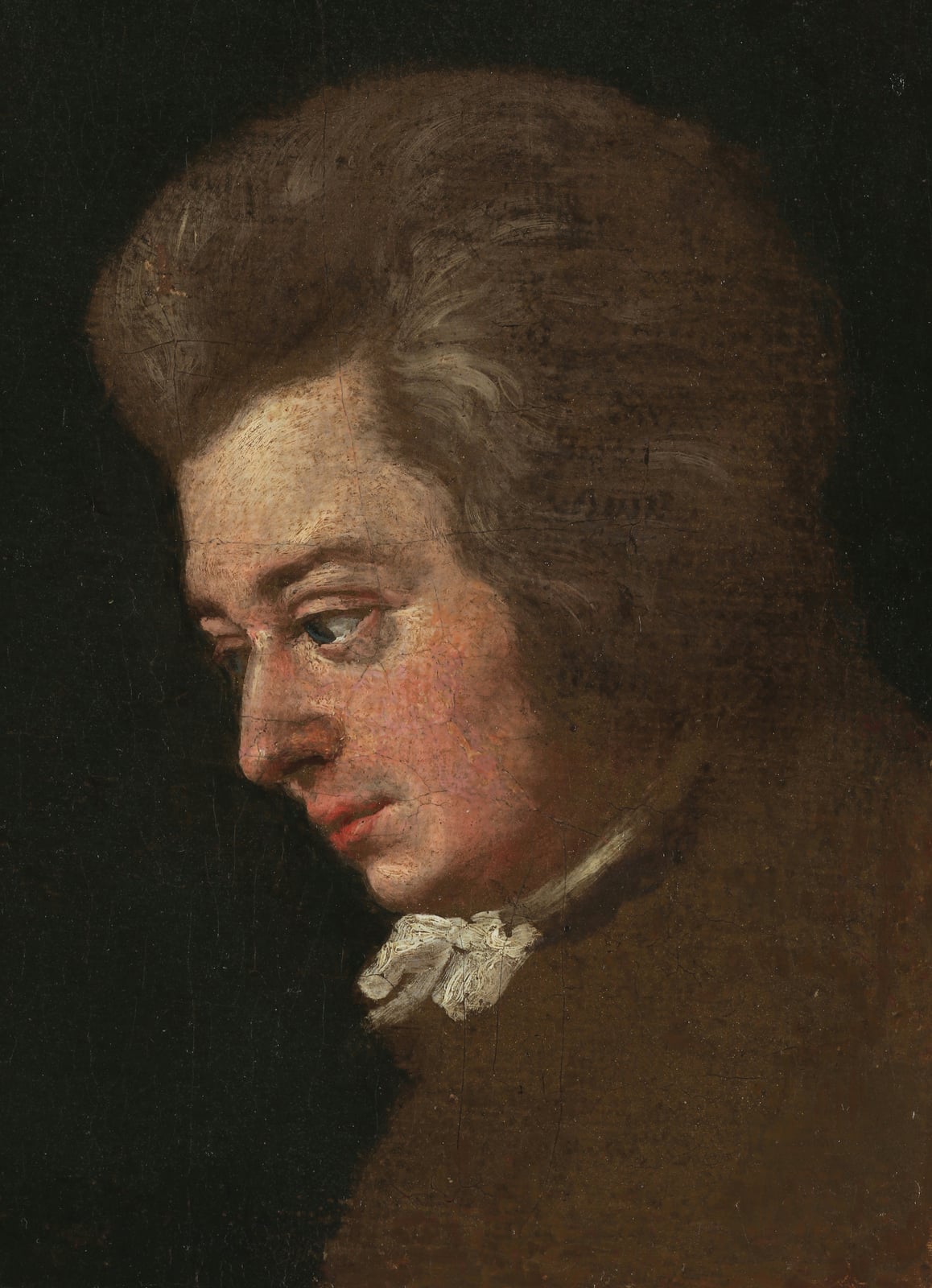
Not a rival — a different profile shape worth a look.