Yayoi Kusama
94% Profile Match
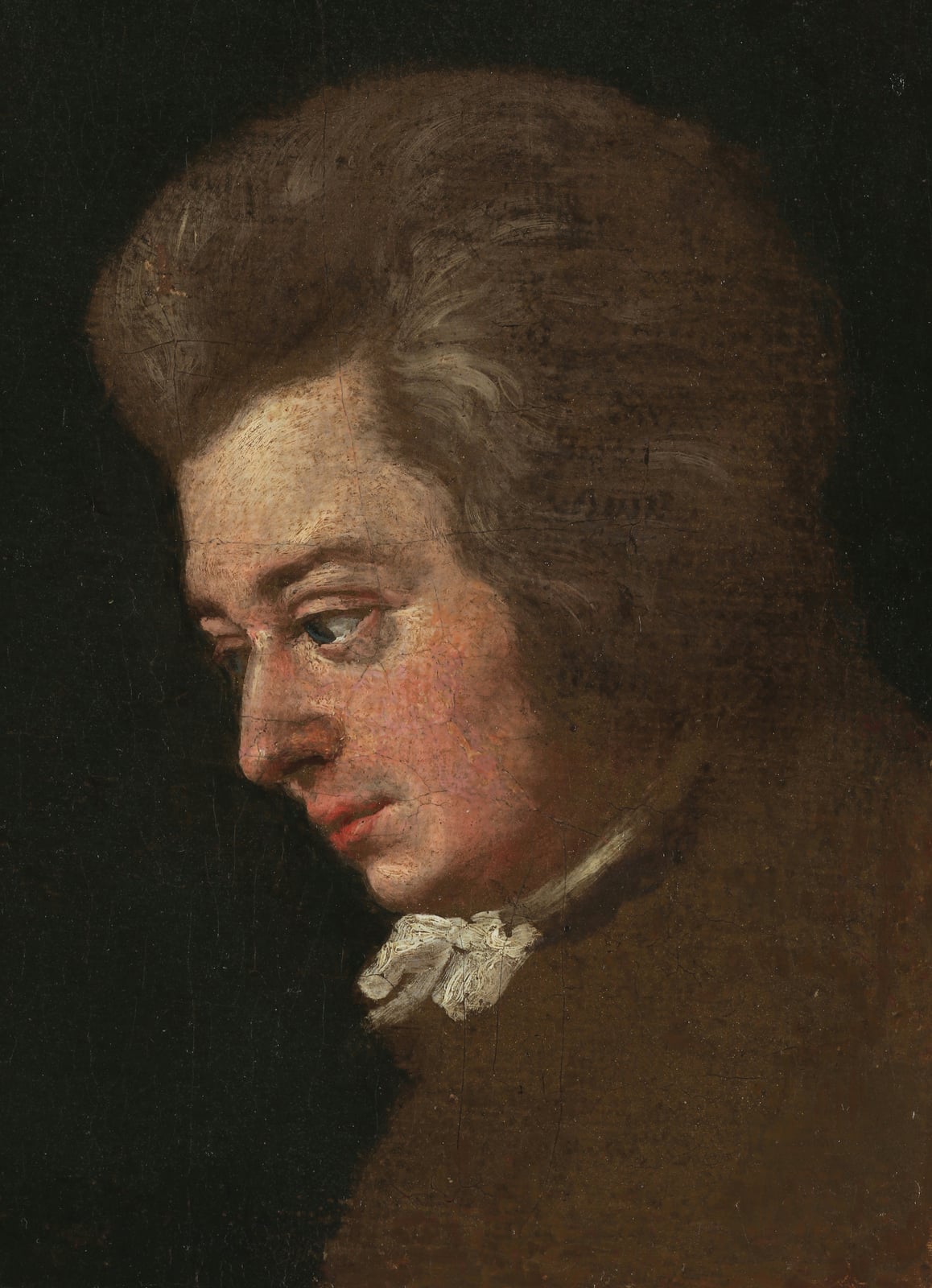
Painted from life by Joseph Lange, 1782 — Mozart Museum, Salzburg · Wikimedia Commons (hosted locally by this app as a resized/compressed derivative; see licenseUrl for the full-resolution original) · Public Domain (artist died 1831)
1756 — Born in Salzburg.
1762–1766 — Toured European courts as a child prodigy performer with his father and sister.
1770s — Worked as a court musician for the Archbishop of Salzburg.
1781 — Broke from court employment and settled in Vienna as an independent composer.
1786–1791 — Composed his most enduring operas and final symphonies, including The Marriage of Figaro, Don Giovanni, and The Magic Flute.
1791 — Died in Vienna at age 35, leaving the Requiem unfinished.
Across roughly three decades of composing, Mozart completed more than 800 works, catalogued by Köchel number from K. 1 (an early minuet from his childhood) to K. 626 (the unfinished Requiem) — an output spanning symphony (41 completed), concerto (27 for piano alone), opera, chamber music, and sacred music, each pursued as a sustained body of work rather than an occasional exercise.
His mature operas with librettist Lorenzo Da Ponte — The Marriage of Figaro (1786) and Don Giovanni (1787) — combined comic and serious material in ways that departed from the conventions of opera buffa at the time, and remain core repertoire for opera companies today alongside his final opera, The Magic Flute (1791).
Beginning with a 1762 visit to the Imperial Court in Vienna, where he and his sister performed for Empress Maria Theresa, Mozart's father took the two children on a continuous tour of European courts from 1763 to 1766 — including a two-week stay at Versailles in December 1763 and an April 1764 performance before King George III and Queen Charlotte in London — years of public performance before his professional composing career had properly begun.
In the summer of 1788, Mozart completed his last three symphonies — No. 39 (26 June), No. 40 (25 July), and No. 41 ("Jupiter," 10 August) — within about six weeks, one of the most concentrated productive stretches documented in his output; what specific occasion, if any, prompted the three works is not established.
In 1781, broke from his employment as a court musician to the Archbishop of Salzburg, actively pursuing an independent freelance career as a composer and performer in Vienna rather than continuing in an assigned court position — an unusual arrangement for a composer of his time.
Read against the profile's dual-edged proactive_agency score, this secured him creative and professional independence rare for a composer of the period, but also left him financially precarious for the rest of his life, dependent on commissions, concerts, and teaching rather than a stable salary. Proactive Agency
Mozart's operas, symphonies, and chamber works have remained in continuous performance since his death, and he is regarded as one of the most significant composers in the Western classical tradition. His harmonic and structural innovations, and the sheer range of his output across nearly every musical form of his time, influenced generations of composers who followed him.
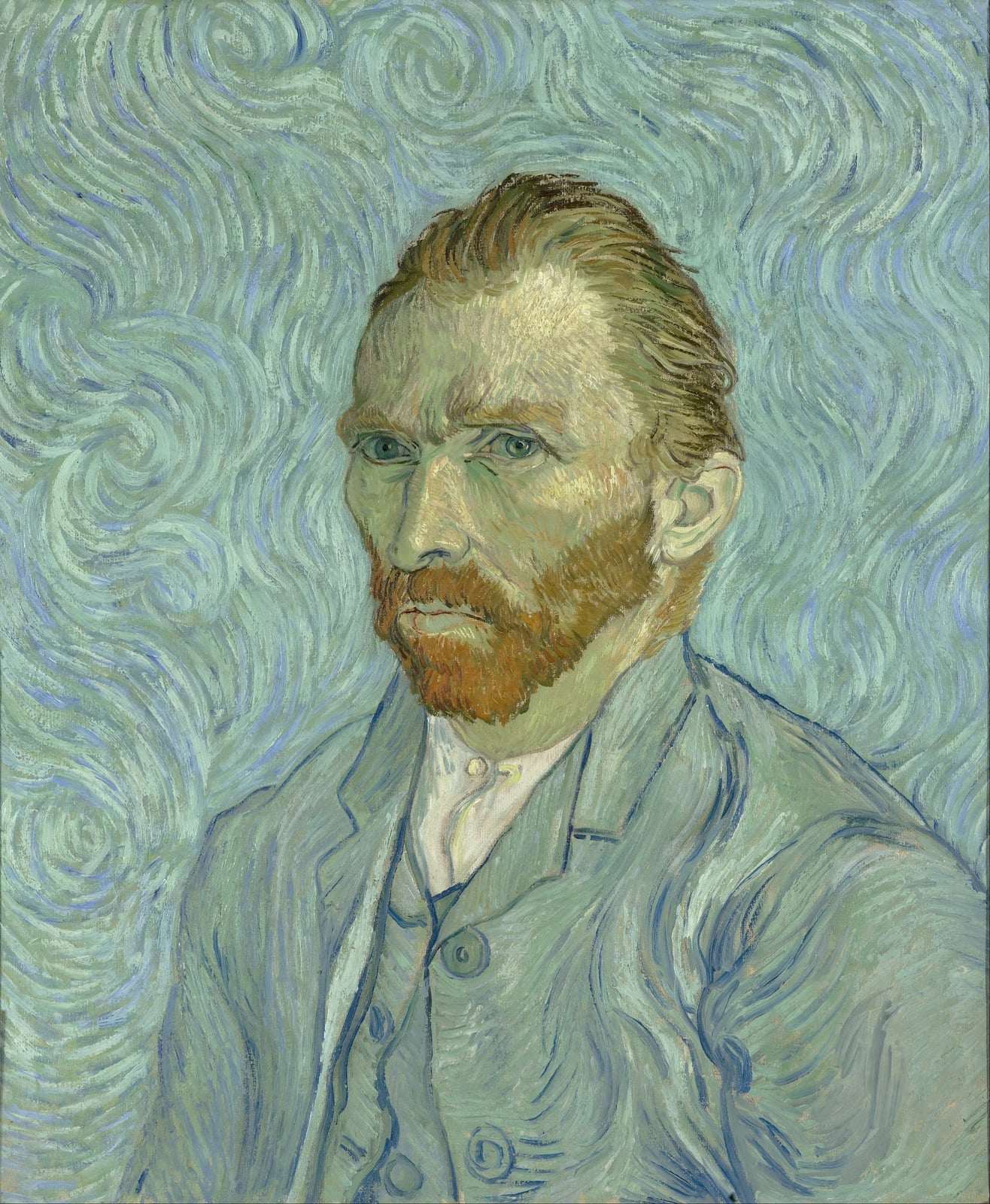
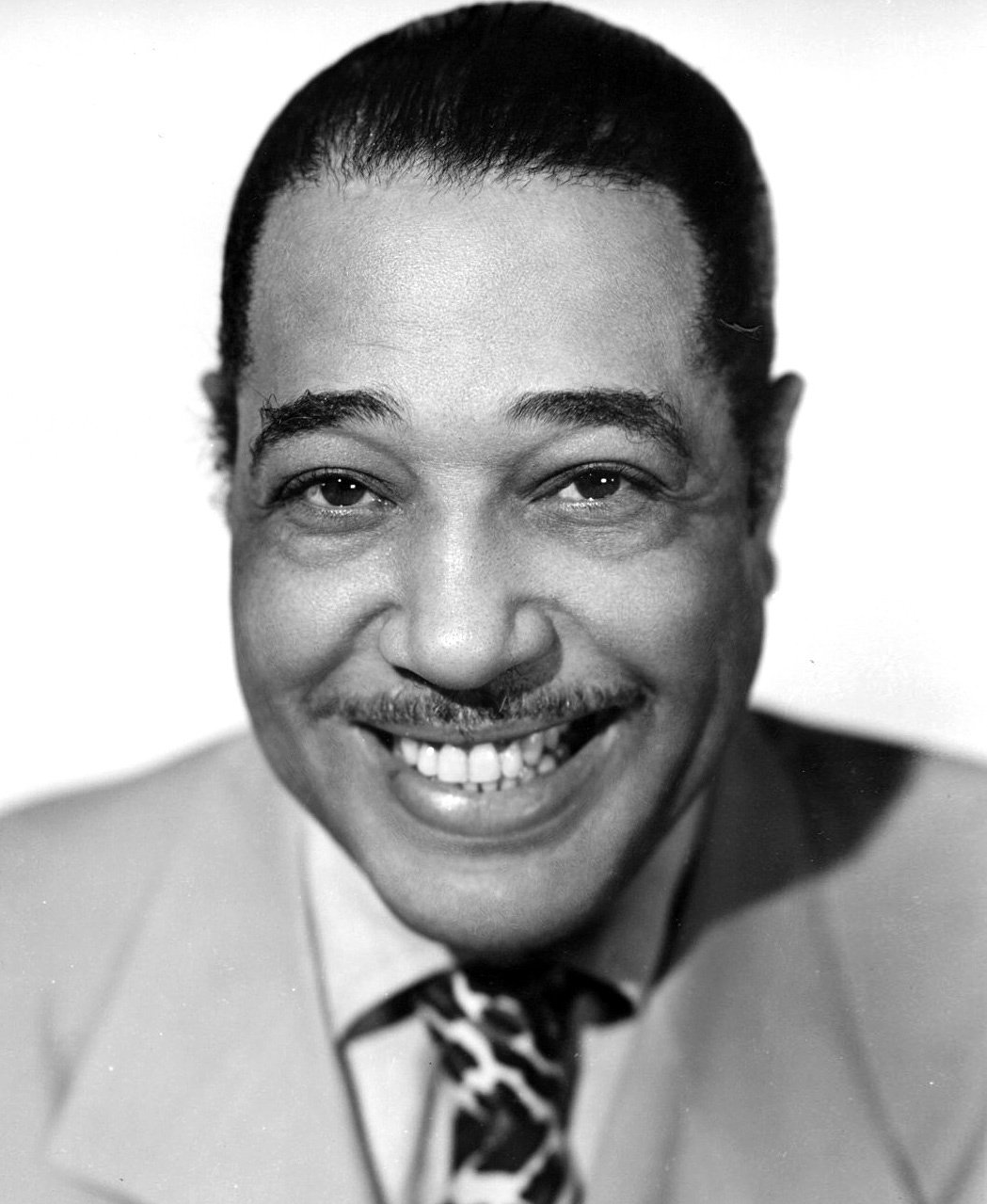
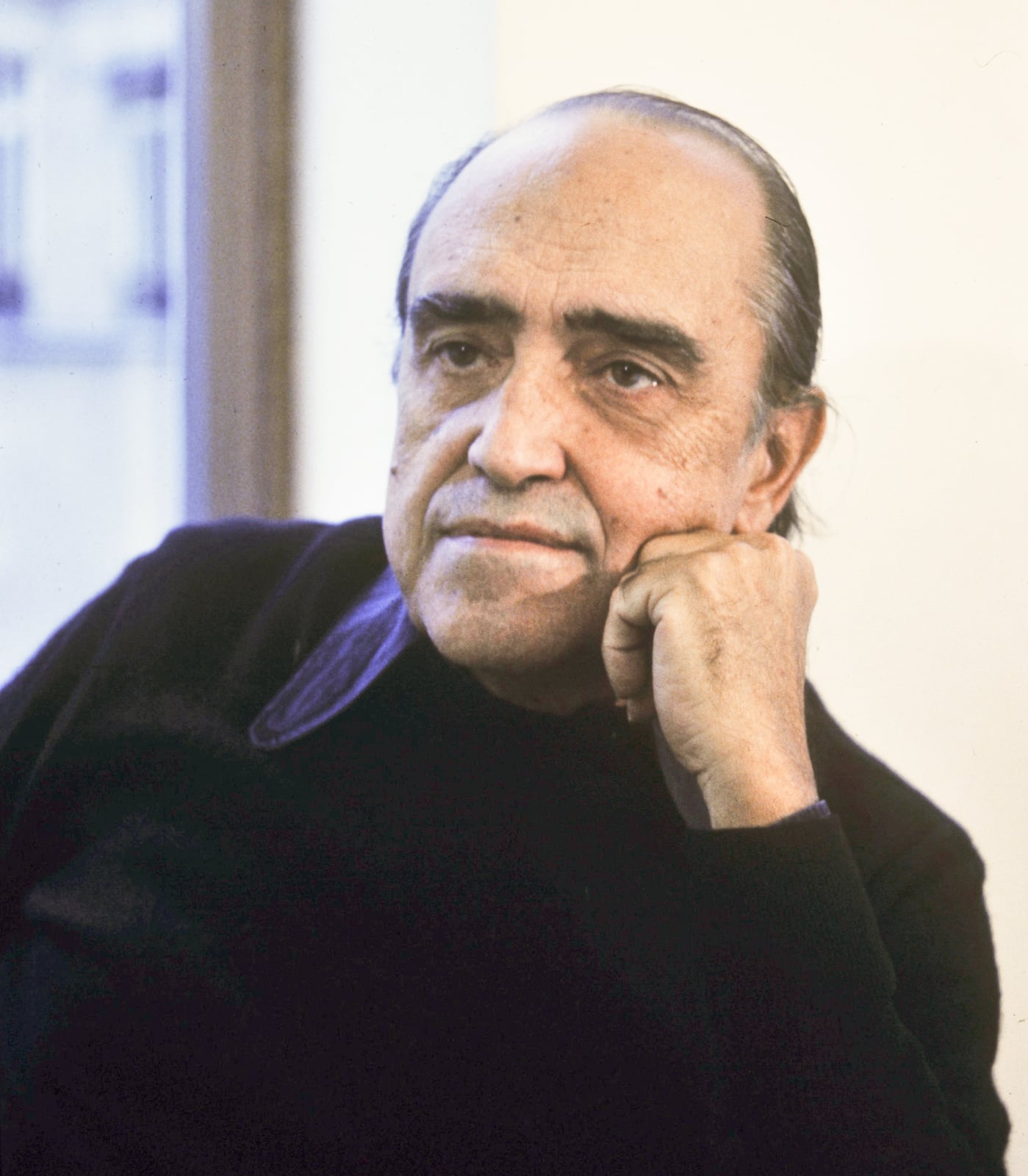
People whose overall profiles resemble theirs.
Not a rival — a different profile shape worth a look.