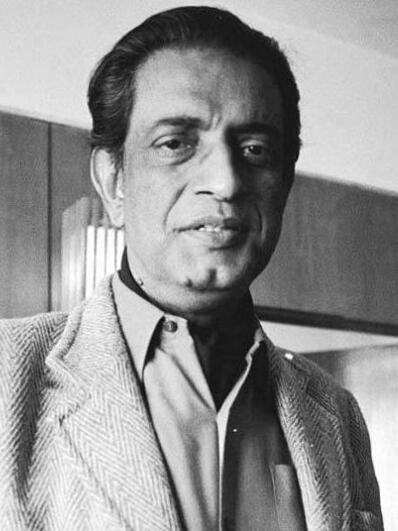
Photo: Dinu Alam, 12 October 1981, CC BY-SA 4.0 · Wikimedia Commons, 'Satyajit Ray in New York (cropped).jpg' -- photograph by Dinu Alam (uploaded as Dinu Alam Newyork, own work), 12 October 1981, cropped from 'Satyajit Ray in New York.jpg' (649 x 980); the file is the cropped version at its original 398 x 531 pixels, not resized. · CC BY-SA 4.0
영화감독 · 20세기
사티아지트 레이
1921–1992
주요 업적 분야
아직 성격 매칭에 포함되지 않았습니다 — 기록된 근거가 성격 모델 전체를 다루기에는 충분하지 않습니다. 이 페이지의 다른 모든 내용은 자유롭게 확인하실 수 있습니다.
핵심 특성
주요 업적
그는 아푸 3부작(1955~1959)을 연출했고, 첫 작품 〈길의 노래〉는 1956년 칸 영화제에서 '최고 인간 기록' 상을 받으며 그를 세계적으로 알려진 감독으로 만들었다.
〈아파라지토〉는 1957년 베네치아 영화제 황금사자상을 받았고, 그는 1992년 아카데미 평생공로상(명예상)과 인도 최고 훈장인 바라트 라트나를 받았다.
그는 영화 연출 외에도 탐정 소설 펠루다 시리즈를 썼고, 〈세 딸〉(1961)부터는 자신의 영화 음악을 직접 작곡했다.
삶의 장면들
〈길의 노래〉의 제작자를 찾지 못하자 그는 스케치와 대사, 구성을 담은 노트와 핵심 장면을 그린 스케치북을 들고 투자자를 찾아다녔고, 아무도 나서지 않자 빌린 돈으로 일요일마다 촬영을 시작했다.
영화를 미리 시각적으로 준비하고, 자금 문제가 있어도 후원을 기다리지 않고 계속 밀고 나가는 습관과 일치한다. 계획 지향
〈세 딸〉(1961)부터 그는 영화 음악을 직접 작곡했는데, 자신에게 음악적 아이디어가 너무 많고 작곡가들은 지시받는 것을 싫어한다고 말했으며, 그의 영화 음악을 맡았던 인도 고전음악가 두 명은 그가 지나치게 간섭한다고 비판했다.
자기 작업을 직접 통제하려는 욕구가 강했고 그 대가로 협업자와 마찰이 있었다는 점과 일치한다. 자율성 욕구
전환점
〈길의 노래〉가 1955년 뉴욕 현대미술관에서 상영되고 1956년 칸에서 상을 받은 뒤 그는 광고회사 D. J. 키머의 일을 그만두고 전업 영화감독이 되어 1983년까지 해마다 한 편 이상의 영화를 만들었다.
본업 틈틈이 하던 작업이 첫 영화의 성공으로 지속적이고 다작하는 직업 생활로 바뀌었다는 점과 일치한다. 끈기
비슷한 인물
전체적인 프로필이 이 사람과 닮은 사람들이에요.


토머스 에디슨

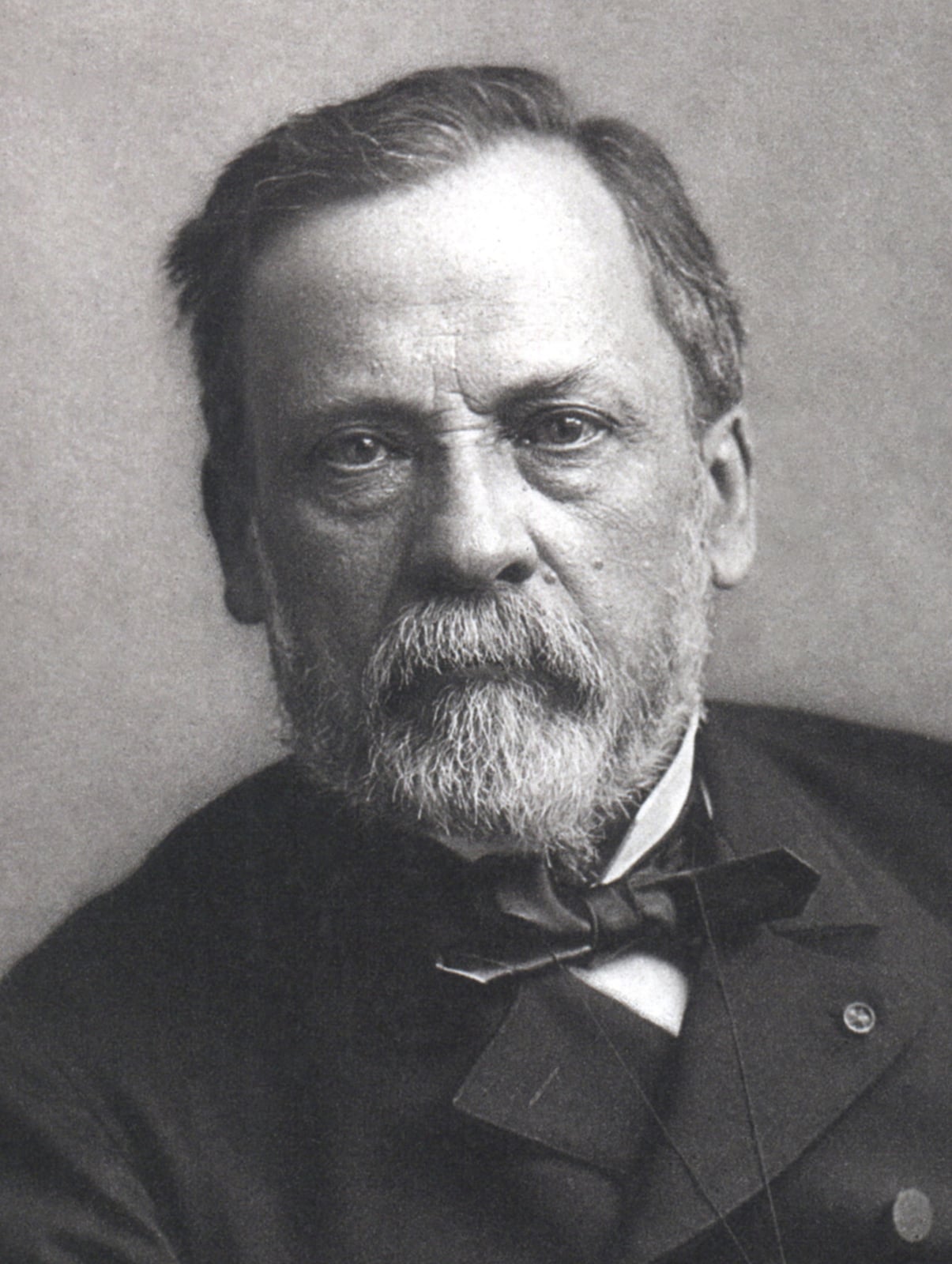
루이 파스퇴르

쿠사마 야요이

마이모니데스

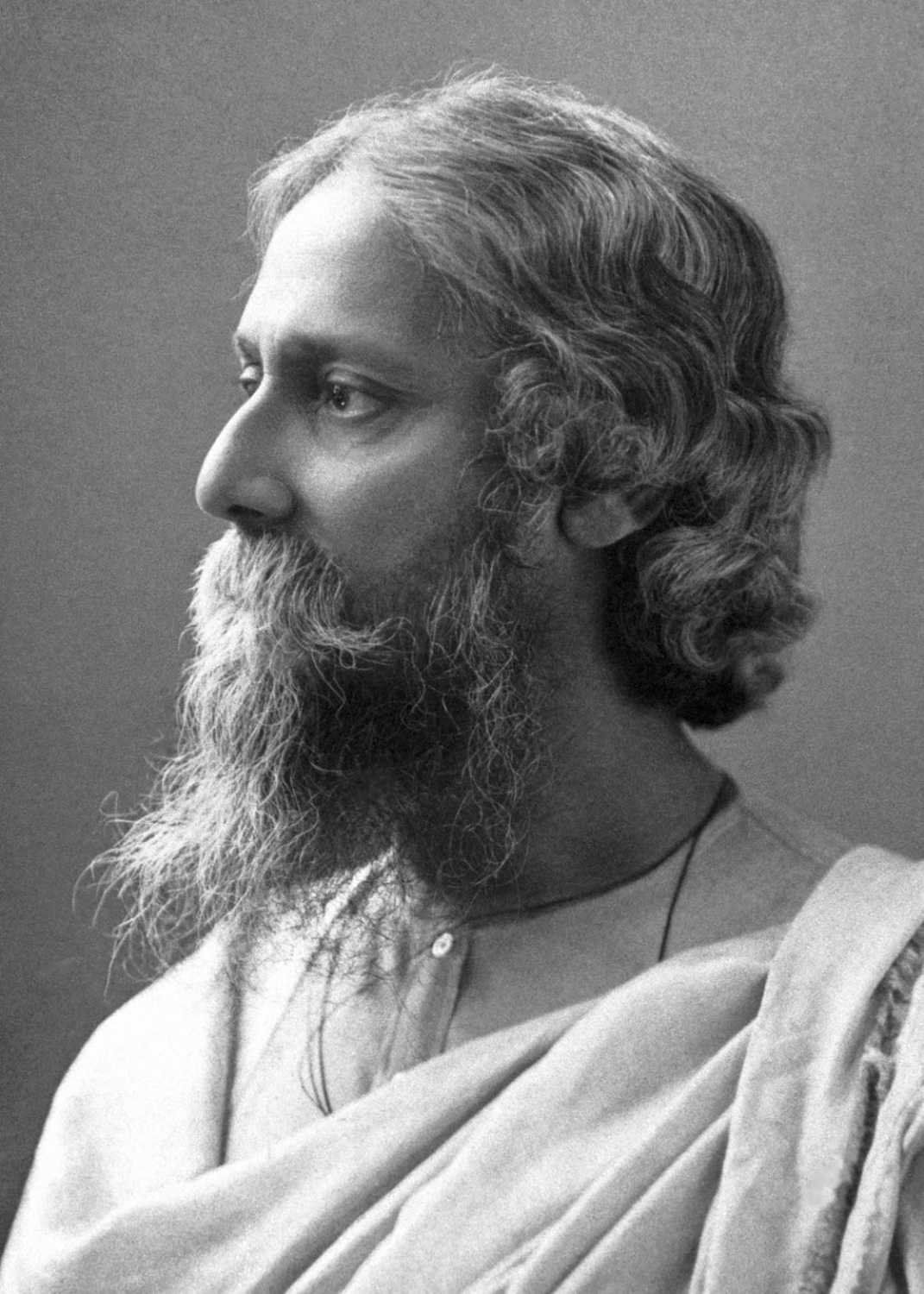
라빈드라나트 타고르
출처
- Satyajit Ray (Q8873) -- verified live via the Wikidata API (2026-10-10): English label 'Satyajit Ray', description 'Indian filmmaker and writer (1921-1992)', born 2 May 1921, died 23 April 1992, instance of human. Orientation only; not used as support for any row.
- 'Making of Pather Panchali', satyajitray.org (the Ray Society's official site) -- chronological account of 1950-1955: the search for a producer, the notebook and sketchbook used to explain the film, Sunday shooting, funding gaps, government installments, the MoMA deadline and ten days of continuous post-production. Official, family-run and admiring; the funding and learning-by-shooting details are factual, the rest is the family's account. Read in full.
- Sandip Ray, 'Ray's Notebooks, Unseen', DaakBangla, 2021 -- the filmmaker's son describes Ray's per-film notebooks: script drafts, frame sketches, costume and title designs, set layouts with seat numbers, a hand-drawn army procession for The Chess Players. Family member, admiring, first-hand knowledge of the notebooks. Read in full.
- Arun AK, 'Satyajit Ray at 100: The musical genius behind the auteur', Little White Lies, 2021 -- independent film-magazine essay on Ray's turn to composing his own scores from Teen Kanya (1961), including his stated reason, the complaints of two Indian classical composers about his interference, and Ravi Shankar's contrary praise. Read in full.
- A. O. Scott, 'The Apu Trilogy: Every Common Sight', Criterion Collection essay -- independent critical essay on the making of Pather Panchali (shot over two and a half years with interruptions when funds ran out, no finished script, first-time crew), its reception, and Aparajito's different form. Read in full.
- 'Ray, Satyajit', International Dictionary of Films and Filmmakers biographical entry, reproduced on Encyclopedia.com -- reference biography and critical essay: career chronology, awards list, the statement that his sketches became storyboard elements, an 'endless search for the elusive producer' who would accept his terms, one film or more a year until 1983, and a critical note that he has been accused of softening evil. Read in full.
- Shantanu Ray Chaudhuri, interview with actress Sharmila Tagore, Esquire India, 2 July 2025 -- she recalls her first shot for Ray in Apur Sansar, directed in exact step-by-step cues and completed in one take. Actor's first-hand recollection decades later; affectionate. Her private life was not used. Read in full.
- 'Feluda: A Sleuth For All Times', Live History India -- history of Ray's detective fiction and writing career: the family children's magazine Sandesh, 35 Feluda stories and novels from 1965 to 1992 serialised in Sandesh and Desh. Popular journalism. Read in full.
- ETV Bharat Entertainment Team, 'India's Most Glorious Oscar Moment, A Hospital Bed And A Legend', 13 March 2026 -- account of the 1992 honorary Academy Award, quoting the Academy's citation and Ray's acceptance remarks. Award facts only; health passages not used. Read in full.
- 'Awards won by Satyajit Ray and his films', satyajitray.org -- official list of honours including the Bharat Ratna, the 1992 honorary Academy Award, Cannes 1956 Best Human Document and the Venice Golden Lion for Aparajito (1957). Record facts only; official site. Read in full.