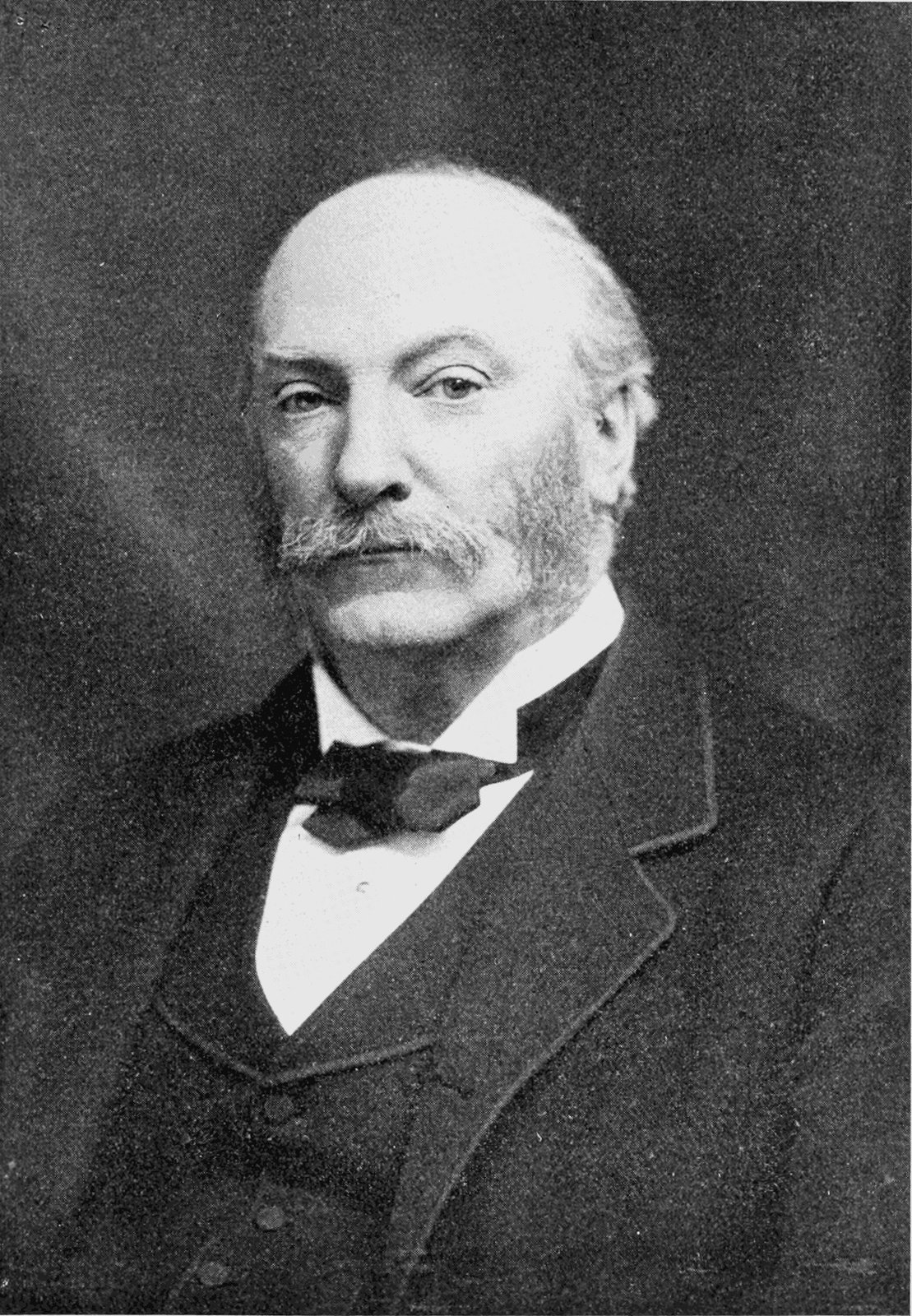
Photograph captioned 'Lord Rayleigh', The Popular Science Monthly, vol. 67, 1905, p. 91; the magazine does not credit a photographer, and the Wellcome Collection catalogue attributes the same portrait photograph to Elliott & Fry · The Popular Science Monthly, vol. 67 (May to October 1905), New York: The Science Press, p. 91, full-page portrait captioned 'Lord Rayleigh' illustrating the note 'The Nobel Prizes', via Internet Archive (popularsciencemo67newy) · Public domain (published in the United States in 1905)
물리학자 · 19세기
존 윌리엄 스트럿, 제3대 레일리 남작
1842–1919
주요 업적 분야
아직 성격 매칭에 포함되지 않았습니다 — 기록된 근거가 성격 모델 전체를 다루기에는 충분하지 않습니다. 이 페이지의 다른 모든 내용은 자유롭게 확인하실 수 있습니다.
핵심 특성
주요 업적
레일리는 1872~73년 겨울 나일강 여행 중에 『음향 이론』(The Theory of Sound)을 쓰기 시작해, 1877년과 1878년에 두 권으로 출간했다. 제임스 진스(James Jeans)는 『영국 인명사전』에서 이 책이 레일리가 쓴 유일한 교과서였으며 출간 즉시 이 분야의 대표 저서가 되었다고 썼다.
레일리는 1892년 서로 다른 방법으로 만든 질소의 밀도가 최대 천분의 일까지 다르다고 발표했다. 그와 윌리엄 램지(William Ramsay)는 이 차이가 대기 중의 미지의 기체 때문임을 밝혀 아르곤이라 이름 붙였고, 공동 논문 「아르곤, 대기의 새로운 구성 성분」은 1895년 1월 31일 왕립학회에 제출되었다. 레일리는 1904년 노벨 물리학상을, 램지는 노벨 화학상을 받았다.
레일리는 1871년 빛의 산란 이론을 발표했는데, 맥튜터(MacTutor)는 이를 하늘이 파란 이유에 대한 최초의 올바른 설명이라고 평가한다. 그는 빛의 파동 이론으로 회절격자의 분해능이 격자선 간격이 아니라 전체 선의 수와 스펙트럼 차수의 곱으로 정해진다는 것을 보였고(1953년 서술을 맥튜터가 인용), 1885년에는 탄성 고체의 평면 표면을 따라 전파되는 파동, 곧 오늘날의 레일리파를 설명했다.
레일리는 케임브리지 캐번디시 교수로서 1880~83년에 아서 슈스터(Arthur Schuster), 시지윅 부인과 함께 옴(ohm)의 절대 단위 값을 다시 측정했고, 1884년에는 시지윅 부인과 함께 은의 전기화학 당량과 클라크 전지의 전압을 발표했다. 그의 밑에서 일한 R. T. 글레이즈브룩(Glazebrook)은 당시 옴의 불확실성이 약 4퍼센트였으며 이후 은 측정의 정밀도는 레일리 연구의 직접적 결과라고 썼다. 노벨재단의 약력도 그의 실험이 저항, 전류, 기전력의 표준을 세우는 데 이바지했다고 서술한다.
삶의 장면들
레일리는 질소를 두 가지 방법, 곧 공기를 뜨거운 구리 위로 통과시키는 방법과 암모니아에서 얻는 방법으로 만들었다. 암모니아법 측정값들이 서로 잘 맞았을 때는 질소 연구가 끝난 줄 알았으나, 두 번째 방법의 밀도는 천분의 일 정도 달랐고, 그는 노벨상 강연에서 이를 '놀랍고 짜증스러웠다'고 표현했다. 그는 알려진 불순물의 영향을 배제하고, 해리된 질소라는 가설을 시험하려고 시료를 여덟 달 보관했으며, 암모니아법에서 공기 대신 산소를 써서 차이를 약 200분의 1로 키웠다. 그는 불일치를 없애려 하기보다 키워 보는 것이 '좋은 원칙'이라고 적었다.
두 번째 방법으로 결과를 검증하고, 불일치를 버리지 않고 오히려 키운 일은 분석적 엄밀성과 부합한다. 이 서술은 레일리 본인의 것이며, 램지의 저술도 같은 시험들을 기록하고 있다. 분석적 엄밀성
1879년 캐번디시 교수직을 맡은 레일리는 대학 예산으로는 장비를 충당하기 어렵다고 보고 친구들에게 실험실 장비 마련을 위한 기부를 청했다. R. T. 글레이즈브룩에 따르면 기금은 약 1,500파운드에 이르렀고 데번셔 공작과 레일리가 각각 500파운드를 냈으며, 대학 구성원들에게는 기부를 요청하지 않았다. 그는 또 전기 측정의 기본 역사에 관한 강의를 시작했고, 취임 직후 자신의 실험에도 착수했다.
대학의 지원을 기다리지 않고 직접 기금을 모으고 곧바로 실험에 착수한 일은 주도적 행동성과 부합한다. 이 서술은 그의 밑에서 일한 동료에게서 나온 것이다. 선제적 행동력
전환점
레일리는 5년간 맡았던 캐번디시 교수직을 1884년 말에 사임하고, 동료들이 만류했음에도 에식스 터링(Terling)의 개인 실험실로 돌아가 연구했다. 제임스 진스는 그가 케임브리지 생활이 지나치게 벅차다고 느꼈다고 썼고, 맥튜터는 그 무렵 그의 재정 형편이 나아졌다고 덧붙인다. 그는 터링에서 기체 밀도와 광학 연구를 이어 갔고 몇 달 뒤 왕립학회 서기직을 맡았다.
주요 교수직을 내려놓고 자신의 실험실에서 연구하기로 한 선택은 자기 연구의 조건을 스스로 정하려는 욕구와 부합한다. 맥튜터는 재정 사정도 고려 사항이었다고 하므로, 순수하게 선호만의 결정은 아니었다. 자율성 욕구
비슷한 인물
전체적인 프로필이 이 사람과 닮은 사람들이에요.
출처
- John William Strutt (Q83297) -- verified live via wbgetentities (2026-10-09): en label 'John William Strutt', description 'English physicist (1842-1919)', born 12 Nov 1842, died 30 Jun 1919, citizenship United Kingdom, instance of human, ko label '존 윌리엄 스트럿 레일리'. Orientation only; not used as support for any row.
- J. J. O'Connor and E. F. Robertson (University of St Andrews), 'John William Strutt (Lord Rayleigh)', MacTutor History of Mathematics archive -- modern SECONDARY biography (neutral to admiring) that quotes Heathcote's 1953 Nobel-winners chapter, Rayleigh's 1884 British Association address, his Nobel lecture and a remark on receiving the Order of Merit. Read in full; used for his decision to enter science, the Terling laboratory, the Cavendish years, the 1884 resignation and the range of his papers.
- Nobel Foundation, 'Lord Rayleigh - Biographical', written at the time of the 1904 Nobel Prize in Physics and published in Les Prix Nobel (NobelPrize.org) -- institutional contemporary biography (non-self, official and admiring). Read in full; used for dates, the Cavendish professorship, the experimental standards, the hand-over of estate management and the teaching school at Cambridge.
- Lord Rayleigh, 'The density of gases in the air and the discovery of argon', Nobel Lecture, 12 December 1904 (Nobel Foundation PDF) -- SELF source: his own account of how the nitrogen density discrepancy was followed up. Read in full (about four pages); never used alone for a row.
- James Hopwood Jeans, 'Strutt, John William, third Baron Rayleigh', Dictionary of National Biography 1912-1921 supplement volume (published 1927; Wikisource transcription) -- ADMIRING scholarly biography by a physicist, drawing on Robert Strutt's 1924 life of his father, the Royal Society obituary and personal knowledge. Read in full; used for the early career, the Cavendish laboratory aim, the electrical units, the nitrogen work, administrative duties and Jeans's assessment of his method.
- R. T. Glazebrook (Rayleigh's Demonstrator at the Cavendish Laboratory 1880-84), chapter 'The Rayleigh Period' in 'A History of the Cavendish Laboratory 1871-1910' (Longmans, 1910; Internet Archive scan) -- FIRST-HAND COLLEAGUE account (non-self, admiring but concrete and statistical). Read the whole chapter on his professorship (teaching organisation, fund-raising, the electrical standards work with Schuster and Mrs Sidgwick); later chapters were not read.
- J. J. Thomson, address at the unveiling of the Rayleigh memorial tablet in Westminster Abbey, 30 November 1921, printed in Nature vol. 108 (8 December 1921) pp. 472-474 (Internet Archive scan) -- COLLEAGUE and Cavendish successor, memorial speech (admiring). Read in full; used for his assessment of Rayleigh's working method, range and his period at Cambridge.
- William Ramsay (Rayleigh's co-discoverer), 'The Gases of the Atmosphere: The History of Their Discovery', chapter V 'The Discovery of Argon' (Macmillan, 1896; 1902 printing, Internet Archive scan) -- COLLABORATOR's contemporary popular history (non-self, partisan to the joint work). Read the chapter on the discovery in full; used for Rayleigh's tests of the nitrogen discrepancy and the way the collaboration began.
- William Ramsay, Nobel Lecture in Chemistry, 12 December 1904 (NobelPrize.org) -- COLLABORATOR's lecture; read only for the passage on his 1894 suggestion to Lord Rayleigh about atmospheric nitrogen, the rest being about Ramsay's own later work and skimmed. Not used for any scored row.