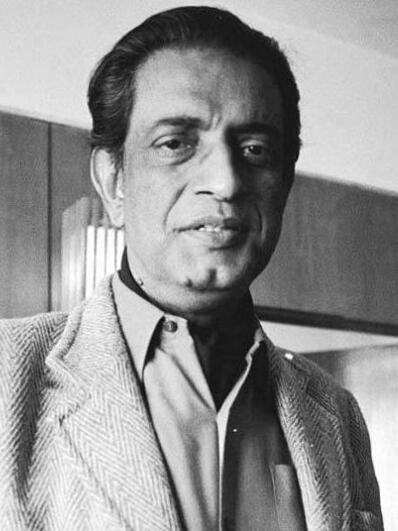
Photo: Dinu Alam, 12 October 1981, CC BY-SA 4.0 · Wikimedia Commons, 'Satyajit Ray in New York (cropped).jpg' -- photograph by Dinu Alam (uploaded as Dinu Alam Newyork, own work), 12 October 1981, cropped from 'Satyajit Ray in New York.jpg' (649 x 980); the file is the cropped version at its original 398 x 531 pixels, not resized. · CC BY-SA 4.0
film director · 20th Century
Satyajit Ray
1921–1992
Known For
Not yet included in personality matching — the documented evidence doesn't yet cover enough of the personality model. Everything else on this page is fully available.
Trait Constellation
Key Achievements
He directed the Apu Trilogy (1955-1959), whose first film, Pather Panchali, won the Best Human Document prize at Cannes in 1956 and made him an internationally recognised filmmaker.
Aparajito won the Golden Lion at Venice in 1957, and in 1992 he received an honorary Academy Award for lifetime achievement and India's Bharat Ratna.
Besides directing, he wrote the Feluda detective stories and composed the music for his own films from Teen Kanya (1961) onward.
Moments That Reveal Them
Unable to find a producer for Pather Panchali, he took a notebook of sketches, dialogue and treatment and a second sketchbook of key scenes to potential backers, and when none came forward he started shooting on Sundays with borrowed money.
This is consistent with a habit of preparing a film visually in advance and continuing through a funding gap rather than waiting for backing. Planning Orientation
From Teen Kanya (1961) he composed his own film scores, saying he had too many musical ideas of his own and that composers resented being guided; two classical composers who had scored his films accused him of excessive interference.
This is consistent with a strong need to control his own work, with a cost in friction with collaborators. Need for Autonomy
Turning Points
After Pather Panchali was screened at the Museum of Modern Art in 1955 and won at Cannes in 1956, he resigned from his job at the D. J. Keymer advertising agency and became a full-time filmmaker, making one or more films a year until 1983.
This is consistent with moving from a side project done around a day job to a sustained, prolific working life once the first film proved viable. Persistence
Similar People
People whose overall profiles resemble theirs.


Thomas Edison

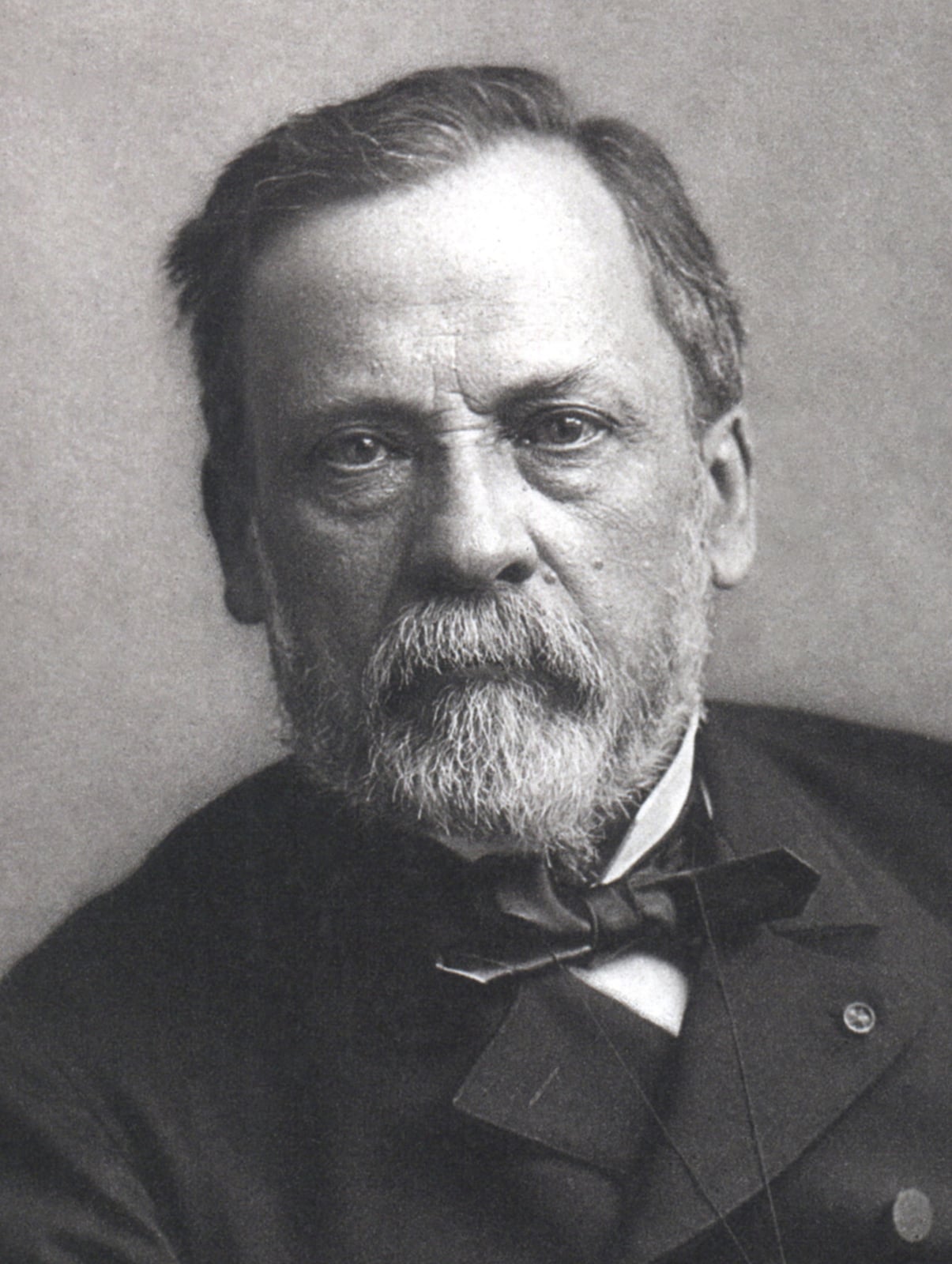
Louis Pasteur

Yayoi Kusama

Maimonides

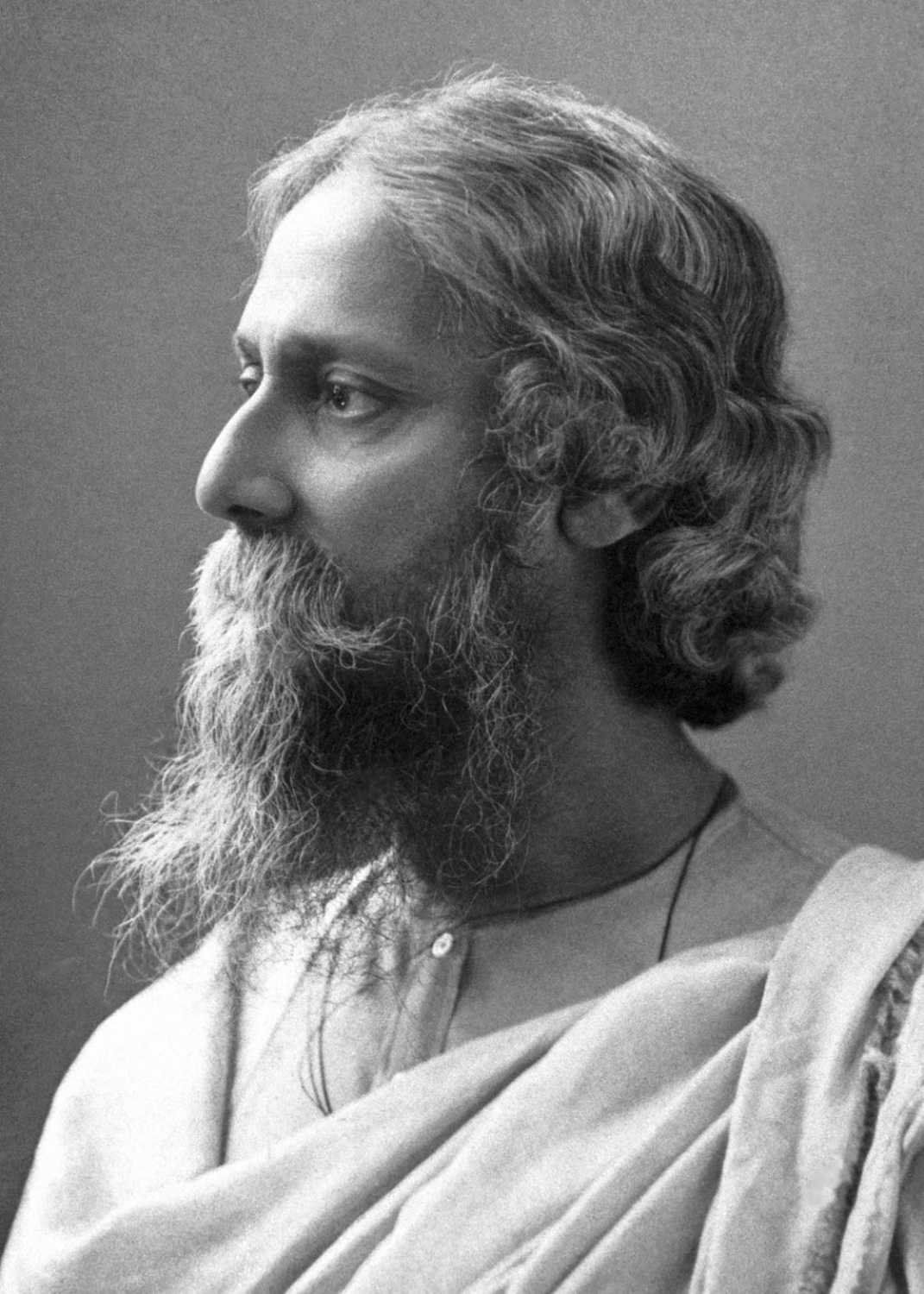
Rabindranath Tagore
Sources
- Satyajit Ray (Q8873) -- verified live via the Wikidata API (2026-10-10): English label 'Satyajit Ray', description 'Indian filmmaker and writer (1921-1992)', born 2 May 1921, died 23 April 1992, instance of human. Orientation only; not used as support for any row.
- 'Making of Pather Panchali', satyajitray.org (the Ray Society's official site) -- chronological account of 1950-1955: the search for a producer, the notebook and sketchbook used to explain the film, Sunday shooting, funding gaps, government installments, the MoMA deadline and ten days of continuous post-production. Official, family-run and admiring; the funding and learning-by-shooting details are factual, the rest is the family's account. Read in full.
- Sandip Ray, 'Ray's Notebooks, Unseen', DaakBangla, 2021 -- the filmmaker's son describes Ray's per-film notebooks: script drafts, frame sketches, costume and title designs, set layouts with seat numbers, a hand-drawn army procession for The Chess Players. Family member, admiring, first-hand knowledge of the notebooks. Read in full.
- Arun AK, 'Satyajit Ray at 100: The musical genius behind the auteur', Little White Lies, 2021 -- independent film-magazine essay on Ray's turn to composing his own scores from Teen Kanya (1961), including his stated reason, the complaints of two Indian classical composers about his interference, and Ravi Shankar's contrary praise. Read in full.
- A. O. Scott, 'The Apu Trilogy: Every Common Sight', Criterion Collection essay -- independent critical essay on the making of Pather Panchali (shot over two and a half years with interruptions when funds ran out, no finished script, first-time crew), its reception, and Aparajito's different form. Read in full.
- 'Ray, Satyajit', International Dictionary of Films and Filmmakers biographical entry, reproduced on Encyclopedia.com -- reference biography and critical essay: career chronology, awards list, the statement that his sketches became storyboard elements, an 'endless search for the elusive producer' who would accept his terms, one film or more a year until 1983, and a critical note that he has been accused of softening evil. Read in full.
- Shantanu Ray Chaudhuri, interview with actress Sharmila Tagore, Esquire India, 2 July 2025 -- she recalls her first shot for Ray in Apur Sansar, directed in exact step-by-step cues and completed in one take. Actor's first-hand recollection decades later; affectionate. Her private life was not used. Read in full.
- 'Feluda: A Sleuth For All Times', Live History India -- history of Ray's detective fiction and writing career: the family children's magazine Sandesh, 35 Feluda stories and novels from 1965 to 1992 serialised in Sandesh and Desh. Popular journalism. Read in full.
- ETV Bharat Entertainment Team, 'India's Most Glorious Oscar Moment, A Hospital Bed And A Legend', 13 March 2026 -- account of the 1992 honorary Academy Award, quoting the Academy's citation and Ray's acceptance remarks. Award facts only; health passages not used. Read in full.
- 'Awards won by Satyajit Ray and his films', satyajitray.org -- official list of honours including the Bharat Ratna, the 1992 honorary Academy Award, Cannes 1956 Best Human Document and the Venice Golden Lion for Aparajito (1957). Record facts only; official site. Read in full.