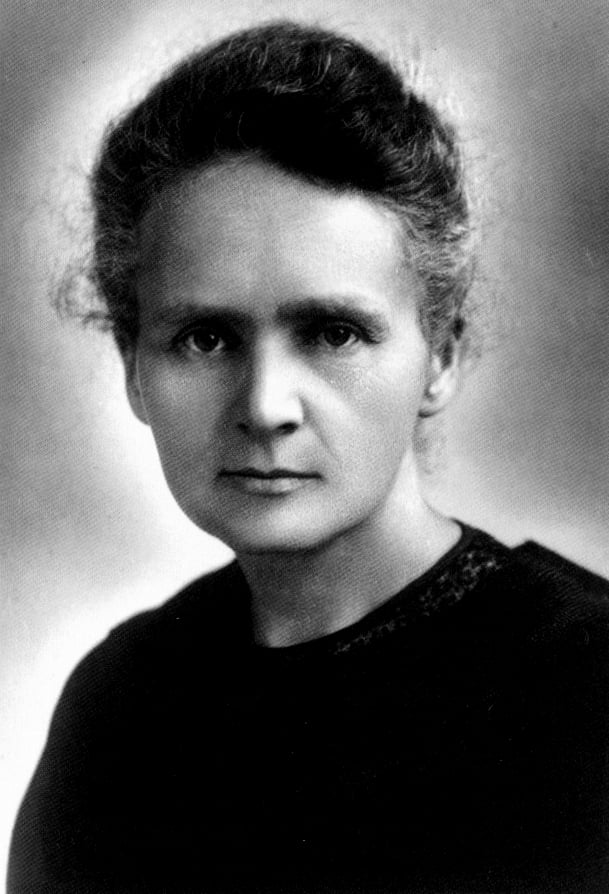
Marie Curie
94% Profile Match
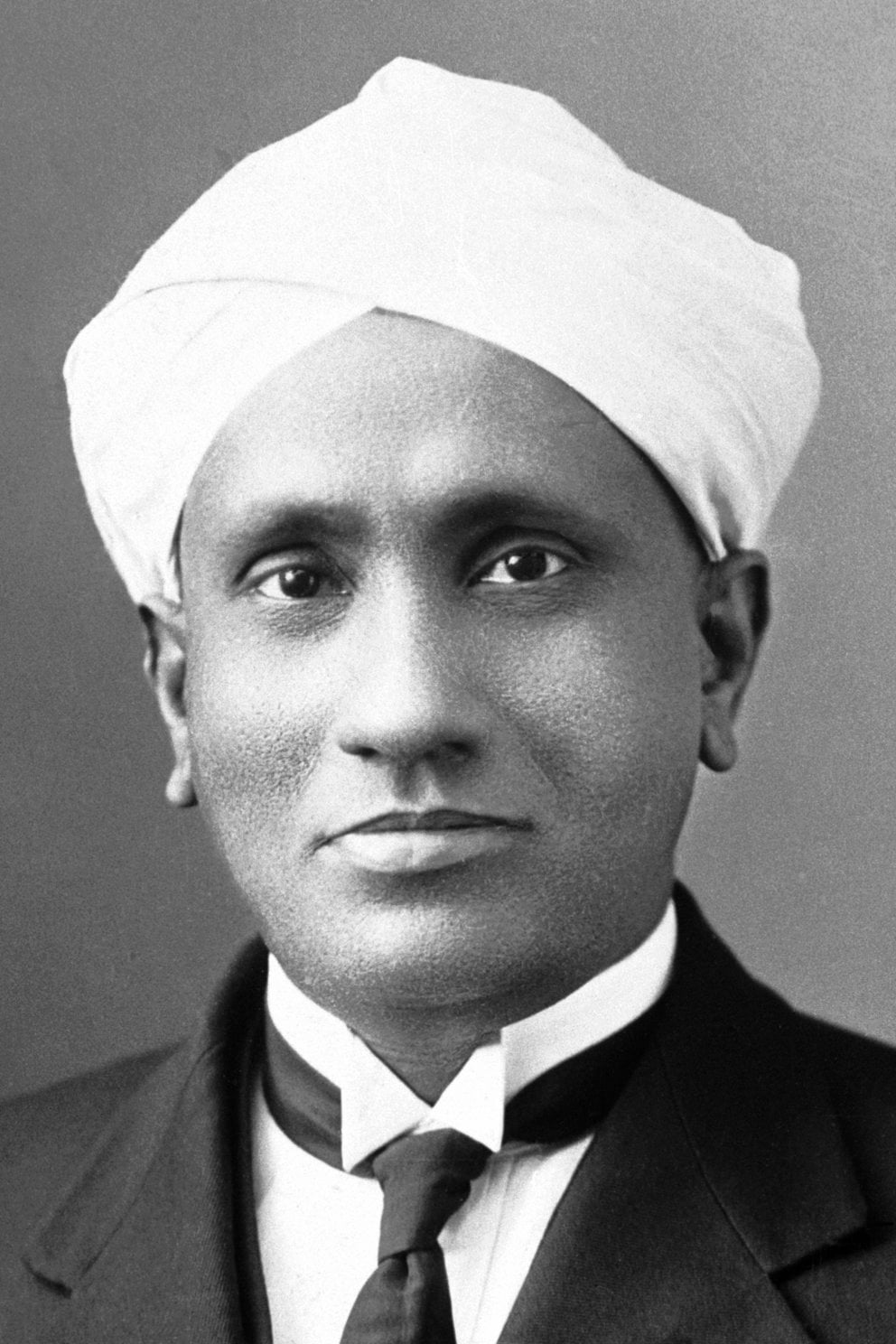
Nobel Lectures, Physics 1922–1941, Elsevier Publishing Company, Amsterdam, 1965 — © The Nobel Foundation, 1930 · Wikimedia Commons (hosted locally by this app as a recompressed derivative; see licenseUrl for the original) · Public Domain (published 1930)
1888 — Born in Tiruchirappalli.
1907–1917 — Joined the Indian Finance Department after finishing his physics education at Presidency College, Madras, and pursued physics as a side interest — beginning with the physics of Indian musical instruments — before leaving the civil service in 1917 to take the Palit Professorship of Physics at Calcutta University, at considerably lower pay.
1921 — During a voyage home from England, observed the Mediterranean Sea's blue color and published a direct challenge to the prevailing explanation for it.
1928 — With research associate K. S. Krishnan, discovered that light changes wavelength when scattered by transparent matter; the 1930 Nobel Prize recognized the discovery under Raman's name alone.
1933–1948 — Directed the Indian Institute of Science in Bangalore, then founded and led the Raman Research Institute after retiring from it.
1970 — Died.
In 1928, Raman and K. S. Krishnan — a research associate who, according to several historical accounts, carried out much of the day-to-day experimental work — demonstrated that light changes wavelength when scattered by transparent matter, using apparatus that began with sunlight and a simple prism before a spectrograph of Raman's own design made precise measurement possible. The Nobel committee proposed only Raman's name for the 1930 Physics Prize; Krishnan was never nominated, a decision some historians of Indian science have since described as not fully reflecting his role in the discovery.
Beyond the discovery itself, Raman went on to found and direct the Raman Research Institute in Bangalore and served as director of the Indian Institute of Science, sustaining a decades-long project of building Indian scientific institutions and training a generation of Indian physicists.
Raman spent over a decade pursuing serious physics research — beginning with the physics of Indian musical instruments — as a side interest while working full-time in the Indian Finance Department, before leaving that stable, well-paid civil-service position in 1917 to take an academic physics chair at Calcutta University at considerably lower pay.
In September 1921, during a voyage home to India from England aboard the S.S. Narkunda, Raman studied the deep blue colour of the Mediterranean Sea with a pocket spectroscope, and published his findings in Nature that November, directly challenging Lord Rayleigh's prevailing 1910 explanation that the sea's colour simply reflected the sky. That line of research into light scattering in transparent media culminated seven years later in the discovery of the effect that bears his name.
Noticing something the accepted explanation didn't quite cover, and turning it into a published challenge within weeks of returning home, is the kind of evidence this profile's curiosity score is built on. Curiosity
People whose overall profiles resemble theirs.