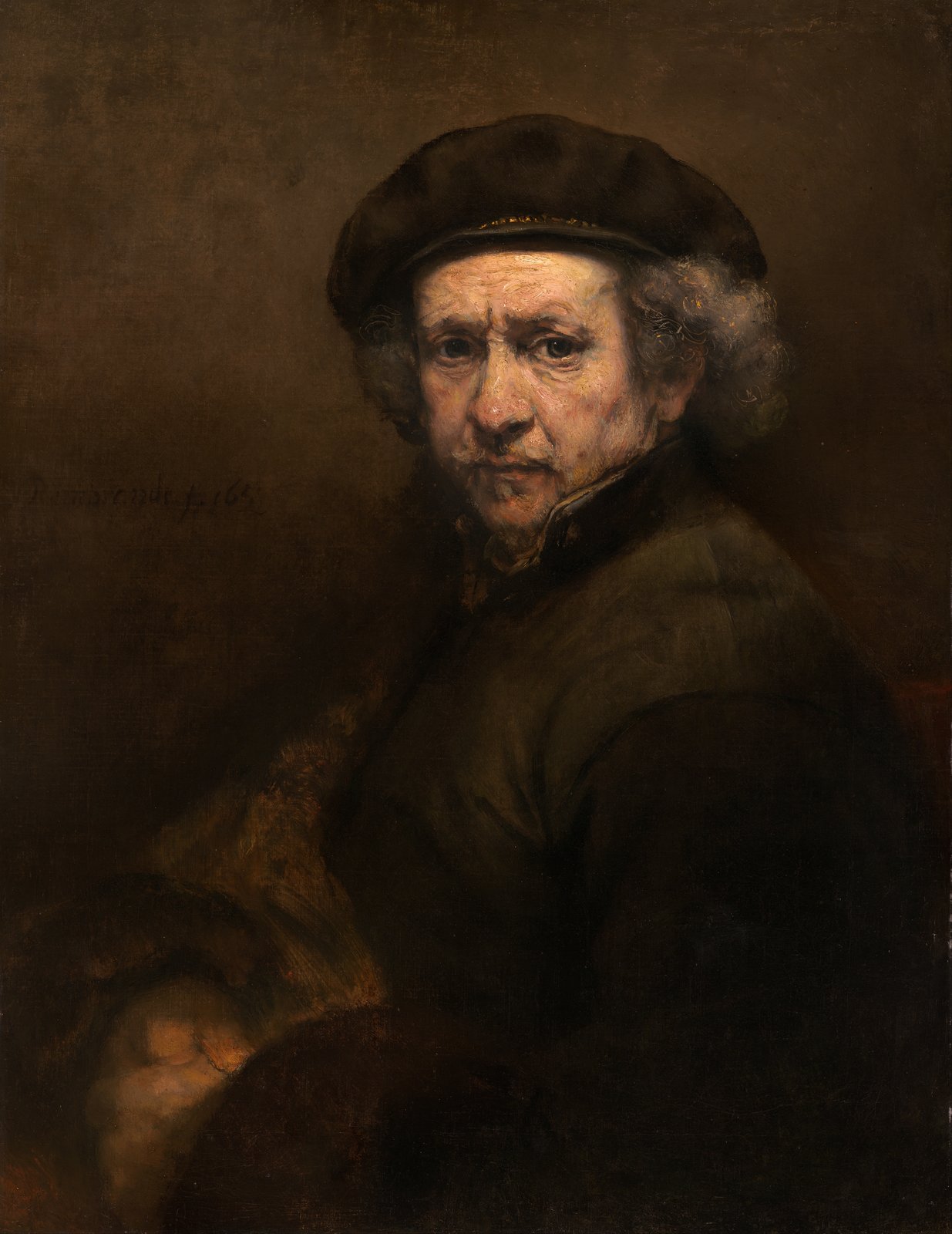
Rembrandt van Rijn, Self-Portrait with Beret and Turned-Up Collar, 1659, National Gallery of Art, Washington (a self-portrait painted by the artist; public domain, author died 1669) · National Gallery of Art, Washington (accession 1937.1.72), via Wikimedia Commons (Google Art Project) · Public domain (author died 1669)
Trait Constellation
Key Achievements
Rembrandt reworked several of his largest drypoint plates, including the Three Crosses and Christ Presented to the People, across successive states. According to the National Gallery of Victoria, he erased large sections of the worn plates and added new elements, so that later states carry a different emphasis and mood; from the mid-1640s he also printed 'deluxe' impressions on imported Chinese and Japanese paper.
Rembrandt painted self-portraits in varied guises from the late 1620s through the 1630s, and some later ones refer openly to earlier masters. In an essay for The Leiden Collection Catalogue, H. Perry Chapman notes that his 1632 self-portrait in Glasgow was modeled on Rubens's 1623 self-portrait, and that his 1640 self-portrait in London referred to portraits by Raphael and Titian that he had seen in Amsterdam in 1639.
Moments That Reveal Them
In an autobiographical text written around 1629-31, Constantijn Huygens described Rembrandt and Jan Lievens as self-assured young painters who had not yet found a study trip to Italy necessary. He reported their answer that they were in their prime and had no time for long journeys, and that the best Italian pictures of the kind princes collect were to be found outside Italy; Huygens called this a touch of folly in otherwise gifted artists.
The account is consistent with the independent_thinking score: a stated, reasoned decision to stay put despite a patron's evident disapproval, though Huygens's text is the only record of their reasoning. Independent Thinking
Joachim von Sandrart wrote in 1675 that Rembrandt was a great lover of paintings, drawings, prints and foreign curiosities, and had a large number of them. The inventory of his possessions drawn up in 1656 is the main record of the collection; a scholarly review of the Rembrandt House catalogue built on it notes that the collection was exceptional in art on paper, with prints by Lucas van Leyden and Raphael, and that the inventory also lists statuary, curiosities, weaponry and costumes used in his studio.
This is consistent with the curiosity score: a large collection kept alongside his studio, though the sources document the holdings more than his reasons for gathering them. Curiosity
Turning Points
Rembrandt moved from Leiden to Amsterdam in 1631/32, the city where the rest of his career took place. According to Chapman, he first worked with the painter-dealer Hendrick Uylenburgh, lodging in his house and heading his workshop, because he was not yet a citizen and could not open a studio of his own; by 1633 he had moved there permanently.
Similar People
People whose overall profiles resemble theirs.
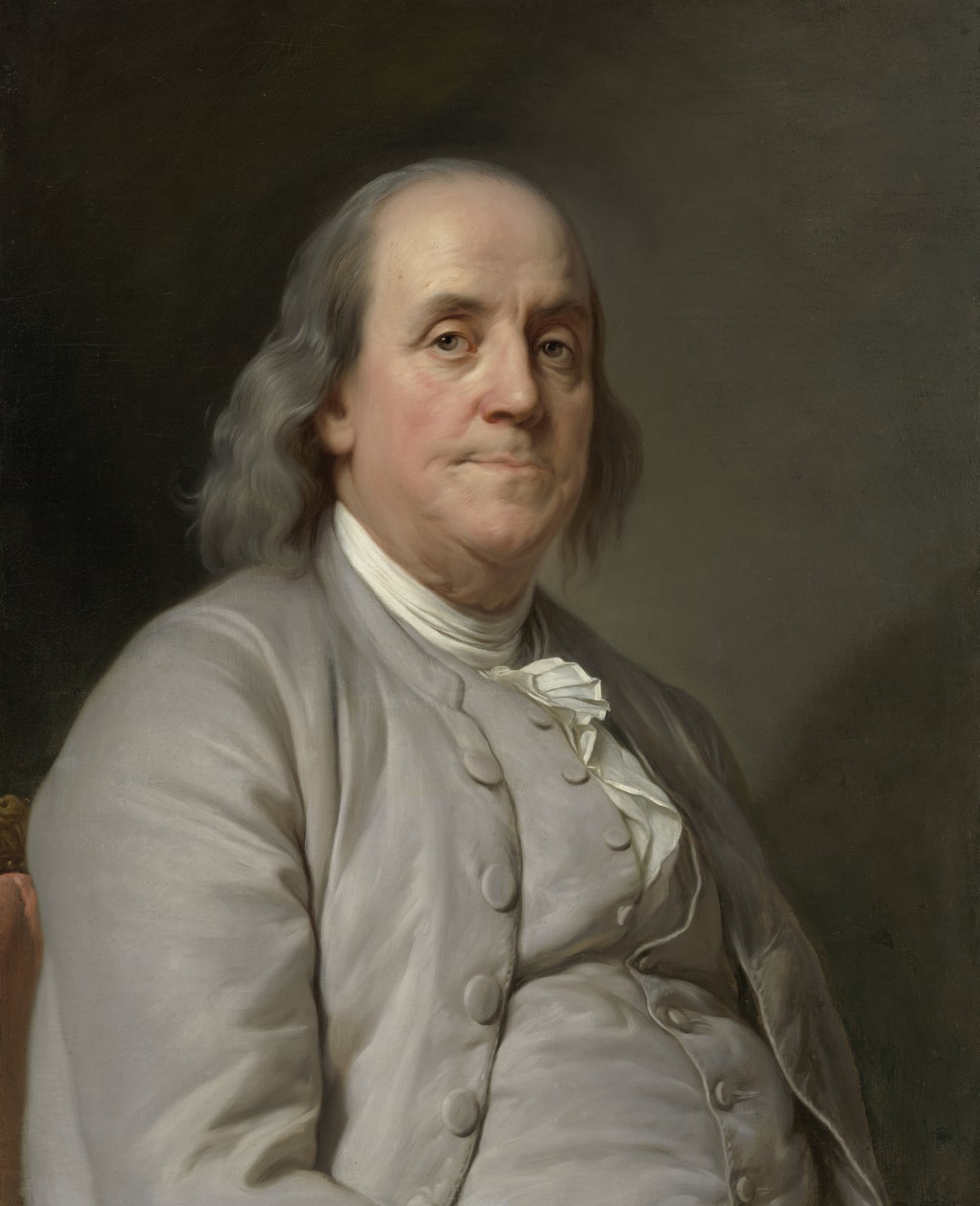

Benjamin Franklin

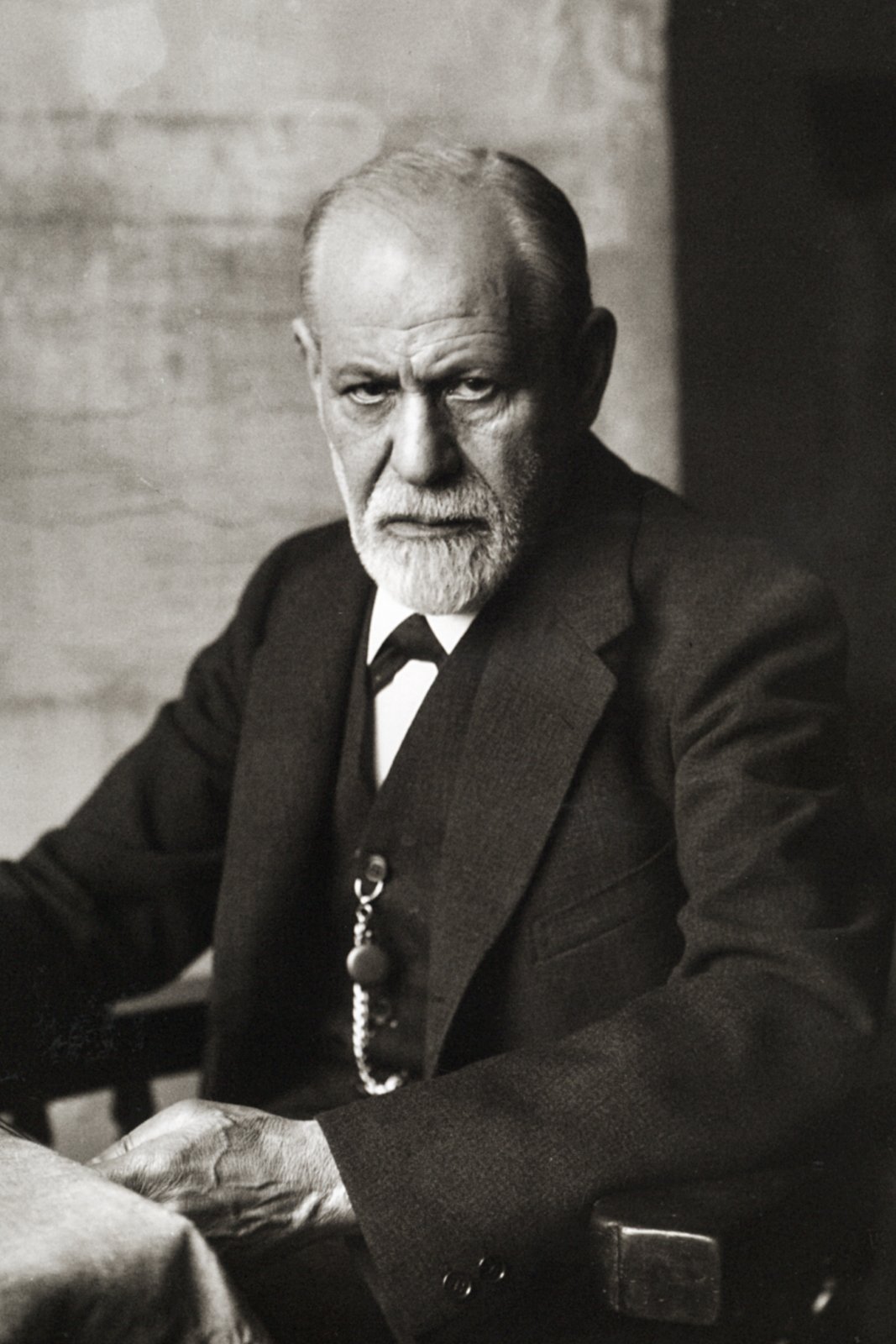
Sigmund Freud

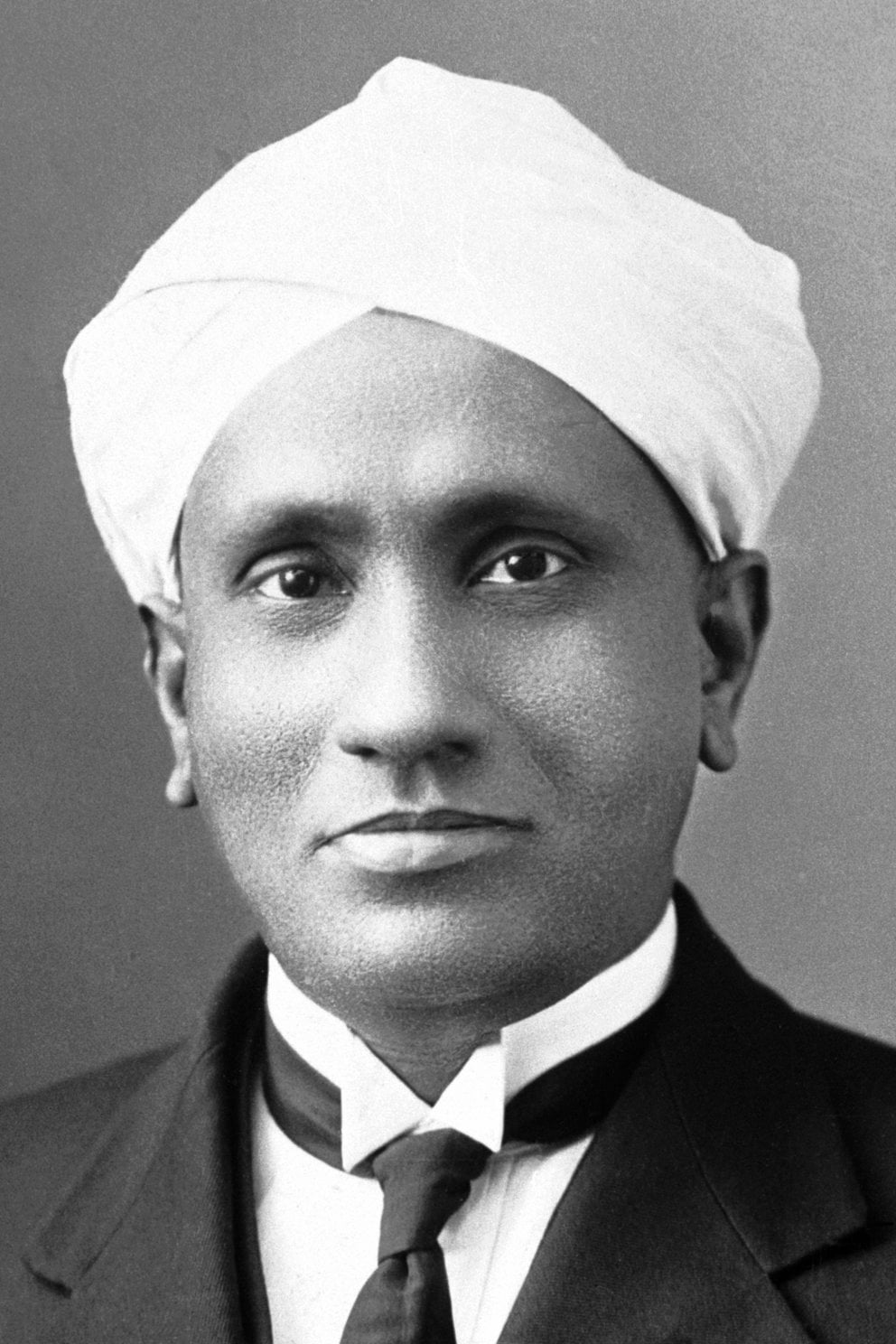
C. V. Raman

Leonardo da Vinci

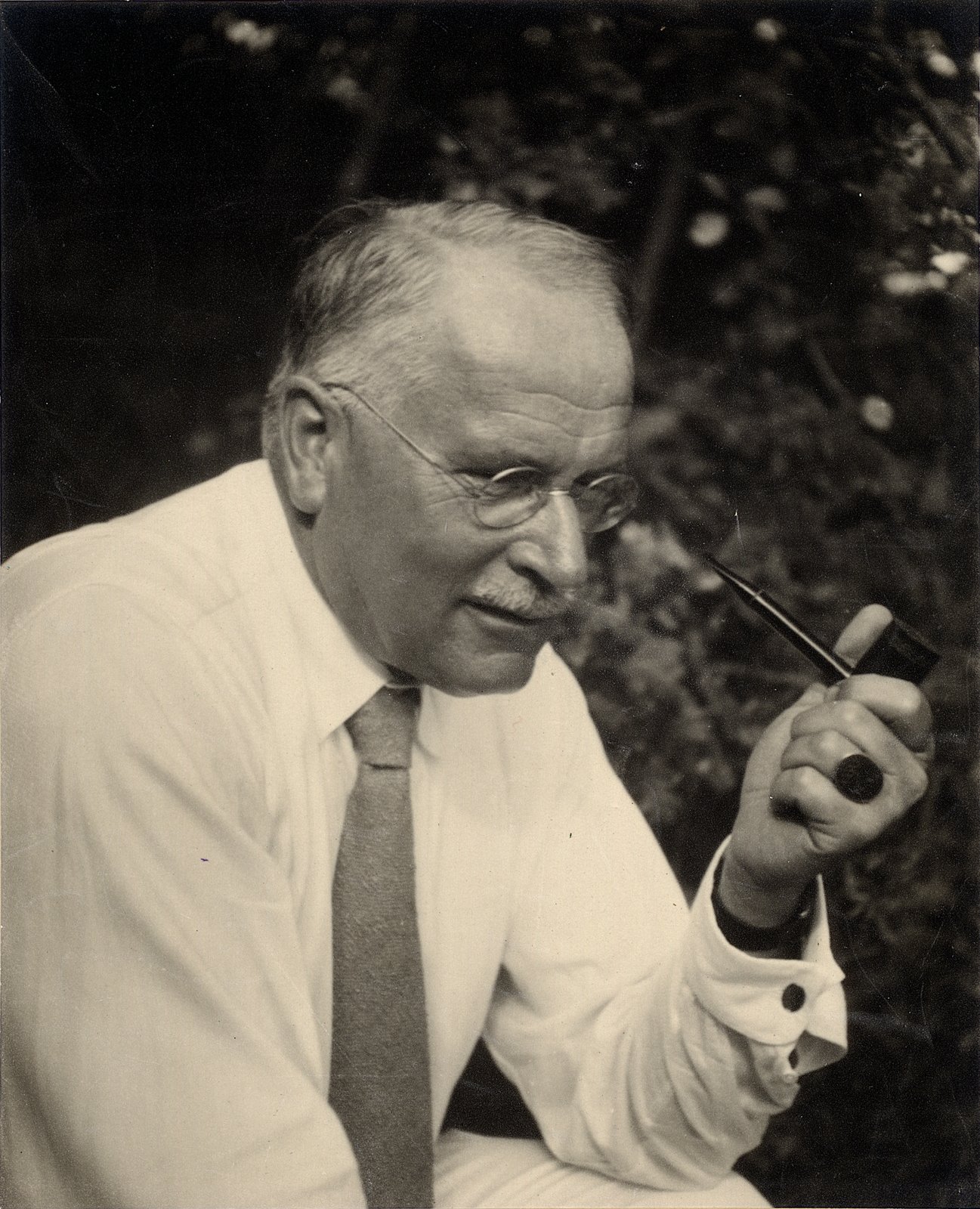
Carl Jung
Opposite Profile
Not a rival — a different profile shape worth a look.

Susan B. Anthony
Sources
- Rembrandt -- orientation only (dates 15 Jul 1606 Leiden - 4 Oct 1669 Amsterdam, Dutch nationality, painter/printmaker/draughtsman); not used as support for any scored row. Fetched and read.
- Rembrandt (Q5598) -- identity verified live: label 'Rembrandt', description 'Dutch painter and printmaker (1606-1669)', born 15 Jul 1606, died 4 Oct 1669, instance of human, Korean label read via the wbgetentities API, P18 'Rembrandt van Rijn - Self-Portrait - Google Art Project.jpg'. Orientation only.
- Constantijn Huygens, Mijn jeugd (Dutch translation by C.L. Heesakkers, 1987), chapter 'Rembrandt en Lievens' on DBNL -- INDEPENDENT FIRSTHAND account by a court secretary who visited the Leiden painters (Huygens's autobiography was written c.1629-31). Full chapter read in the Dutch text: his comparison of Rembrandt and Jan Lievens, his remark that Rembrandt concentrates devotedly on small paintings, his criticism that the two had not found an Italian study trip necessary and the reasons they gave, and his observation of their dedication and perseverance. The translation is copyright-protected, so only paraphrase is used here. The portrait-commission anecdote in the same chapter concerns Lievens and was not used.
- Joachim von Sandrart, Teutsche Academie (1675), vol. II book 3, chapter XXII 'Rembrand von Ryn', pp. 326-327, Sandrart.net online edition (German text with the edition's editorial commentary) -- NEAR-CONTEMPORARY account by a painter who, per the edition's own commentary, lived in Amsterdam 1637-45 and knew Rembrandt; the edition flags that Sandrart's remarks on Rembrandt's social conduct were probably colored by rivalry and by Sandrart's ideal of the learned artist. Both pages read directly in the German original: Rembrandt's not having visited Italy, his stance against the rules of art, his diligence, his etchings and pupils, his collecting of art and curiosities, his manner of painting old people. Only the behavioral passages are used; the remarks on his social circle and finances were not scored.
- H. Perry Chapman, 'Rembrandt and The Leiden Collection' (2017), The Leiden Collection Catalogue, 4th ed., ed. Arthur K. Wheelock Jr. et al. (online) -- scholarly essay by a Rembrandt specialist (secondary; the publisher is a private collection, not subject-affiliated). Full essay text read: Leiden years, emulation of Lastman, Lievens and Rubens, the Uylenburgh period, the 1632 and 1640 self-portraits, pupils, Gerrit Dou, and the 1656 inventory reference to eight Lievens paintings. The essay itself labels some points 'undocumented but plausible' (e.g. a shared studio with Lievens); those are not used.
- Milwaukee Art Museum, 'Chronology' page for the exhibition Friends and Rivals: Jan Lievens and Rembrandt, organized by the National Gallery of Art, Washington, with the Rembrandt House Museum (curators Arthur Wheelock and Laurie Winters) -- institutional exhibition chronology: Huygens-prompted friendly competition producing parallel works by Rembrandt and Lievens in 1628-31, and the move to Amsterdam in 1631/32. The page's remark that Rembrandt 'seems to backdate some paintings' is hedged and was not used. Read in full.
- National Gallery of Victoria, Melbourne, exhibition page 'Rembrandt: True to Life' (unsigned exhibition text) -- institutional account of his etching practice (erasing and renewing drypoint plates, plate tone, imported Chinese and Japanese paper and vellum from the mid-1640s), his drawing classes from the mid-1640s, his 1639 etched self-portrait posed on Titian, Raphael and Dürer, and the 1656 inventory's albums of sketches. Undated and unsigned, so weighted as a weaker institutional source. Read in full.
- Rijksmuseum, Amsterdam, story '10 things to know about Rembrandt's etchings' (unsigned, undated) -- institutional account of his etching method and of The Adoration of the Shepherds (c.1657) reworked across eleven states with darkening lines, an added fence and impressions on Chinese and Japanese paper. Weak on provenance (no author or date), so used only as corroboration alongside src_rembrandt_hind and src_rembrandt_ngv. Read in full.
- Arthur M. Hind, Rembrandt, With a Complete List of His Etchings (New York: Frederick A. Stokes, 1912), Project Gutenberg eBook #31183 -- scholarly print-curator study (secondary, independent). Introduction read on drypoint (begun about 1639), successive states of the Three Crosses and Christ Presented to the People, and the observation that the etchings were largely uncommissioned. A century old; used only for the observation of plate states.
- Amy Golahny (Lycoming College), review of Rembrandt's Treasures (ed. Bob van den Boogert, Rembrandt House Museum/Waanders, 1999), Historians of Netherlandish Art Reviews, November 2001 -- scholarly review of the catalogue built on the 1656 inventory: the collection was exceptional in art on paper, with statuary, curiosities, weaponry, costumes and anatomical models used in his studio. The reviewer notes the exhibition was an evocation rather than a reconstruction. Read in full.