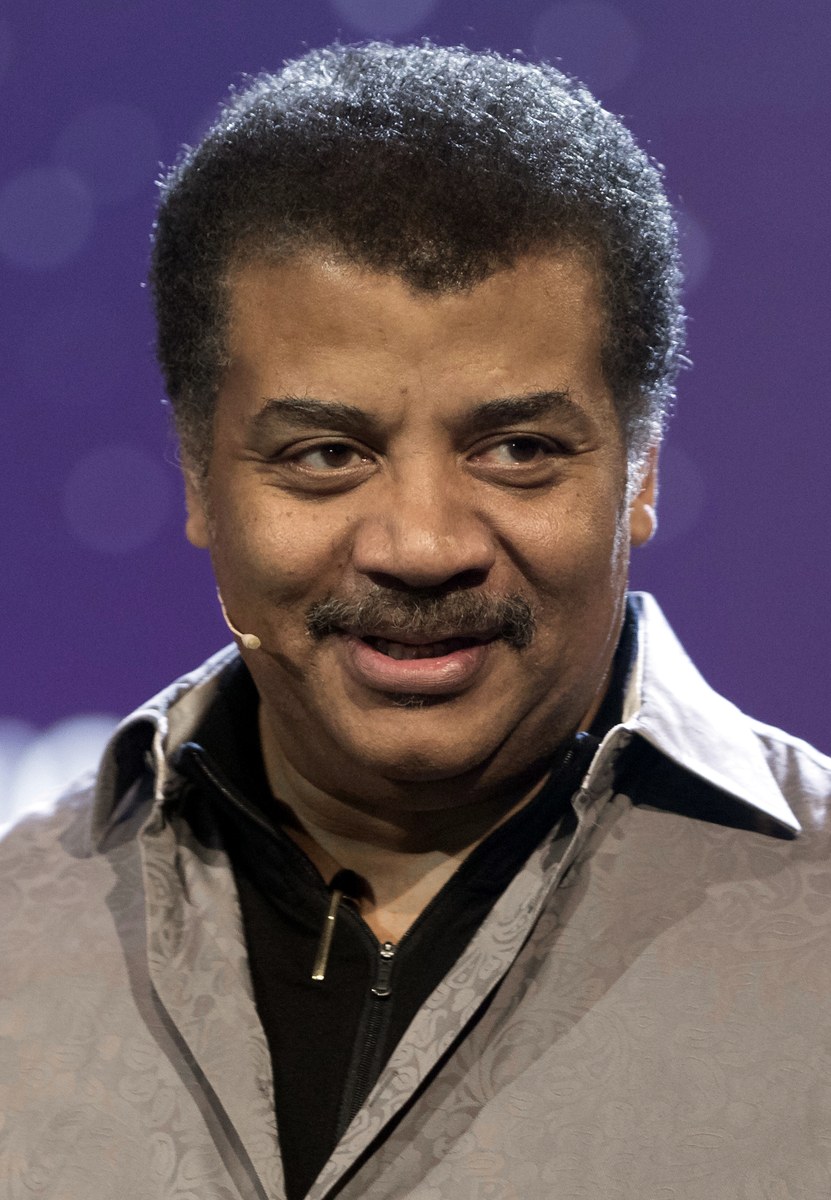
Photo: Thor Nielsen / NTNU, 2017, CC BY-SA 2.0 · Wikimedia Commons 'Neil deGrasse Tyson in June 2017 (cropped).jpg': photograph by Thor Nielsen / NTNU (Norwegian University of Science and Technology) at the Starmus IV Stephen Hawking Science Medal ceremony, Trondheim, 20 June 2017, published on NTNU's official Flickr account under CC BY-SA 2.0 (Commons FlickreviewR passed 2017-12-11; a Wayback copy of the Flickr page captured 2020-06-02 shows the CC BY-SA 2.0 licence and NTNU's caption naming Tyson; the live Flickr page now returns 404). Crop of the Commons original; file 1752 x 2531, saved downscaled only to 831 x 1200. · CC BY-SA 2.0
astrophysicist · Contemporary
Neil deGrasse Tyson
b. 1958
Known For
Not yet included in personality matching — the documented evidence doesn't yet cover enough of the personality model. Everything else on this page is fully available.
Trait Constellation
Key Achievements
Became Frederick P. Rose Director of the Hayden Planetarium at the American Museum of Natural History and led its $210 million renovation, completed in 2000.
Brought astronomy to wide audiences through monthly Natural History essays, about 15 books, NOVA ScienceNOW and the StarTalk radio show, podcast and television programmes.
Hosted Cosmos: A Spacetime Odyssey (2014), the continuation of Carl Sagan's series, which won four Emmys and a Peabody, and later Cosmos: Possible Worlds (2020).
Moments That Reveal Them
After the Rose Center exhibits omitted Pluto from the planet displays, Tyson, who chaired the committee that designed them, became the public face of the controversy and later wrote The Pluto Files about it.
This is consistent with a willingness to stand publicly behind a contested professional decision. Conflict Tolerance
He wrote monthly essays for Natural History from 1995 to 2005 and began the StarTalk radio show in 2009, which later grew into television programmes.
This is consistent with sustained, long-running effort to reach public audiences. Impact Motivation
Turning Points
Moving from research associate work in astrophysics into the planetarium directorship in the mid-1990s, he shifted his career toward public science education and later broadcasting.
This is consistent with a career whose centre of gravity moved from research toward public communication. Persuasiveness
Similar People
People whose overall profiles resemble theirs.


Nelson Mandela

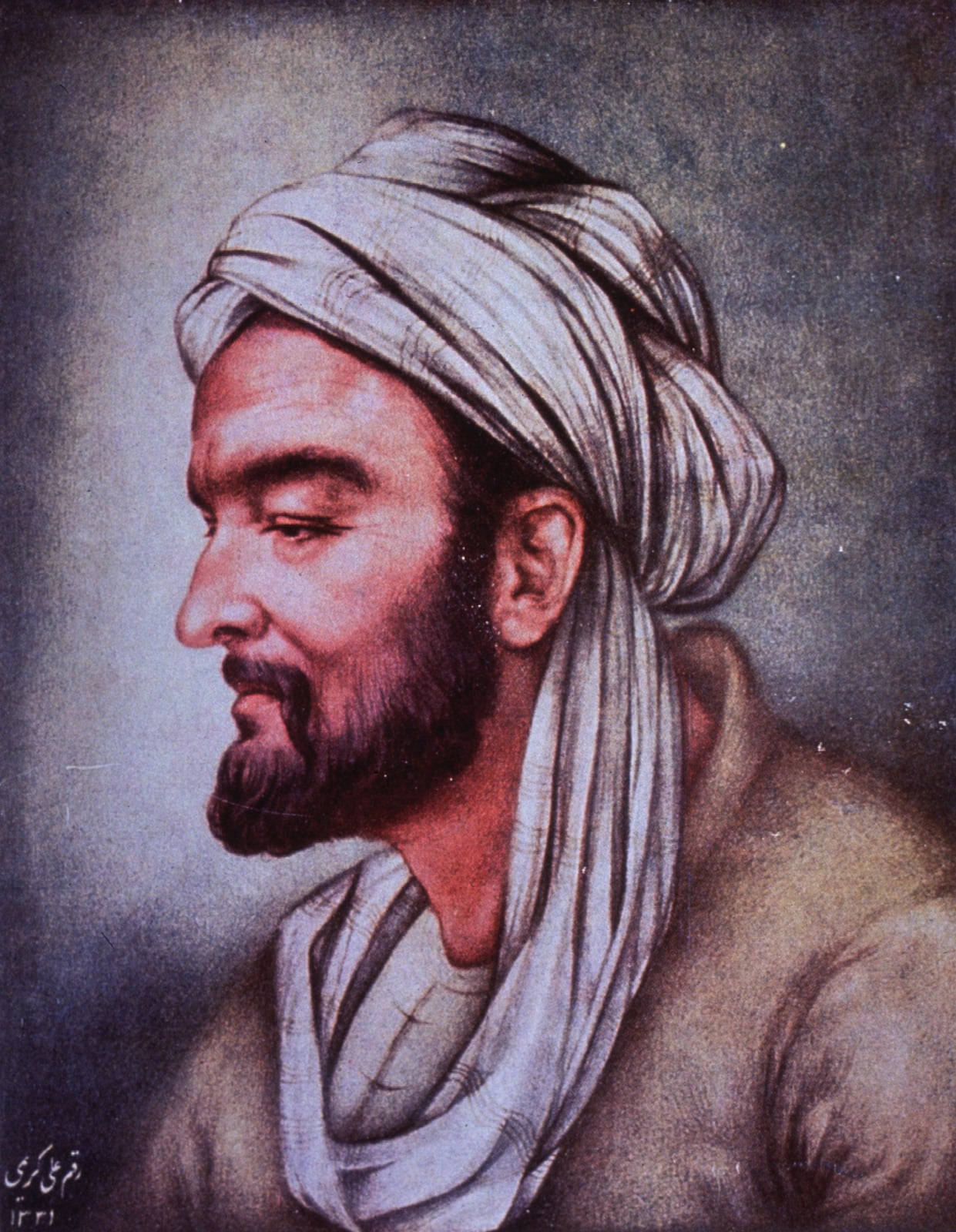
Ibn Sina

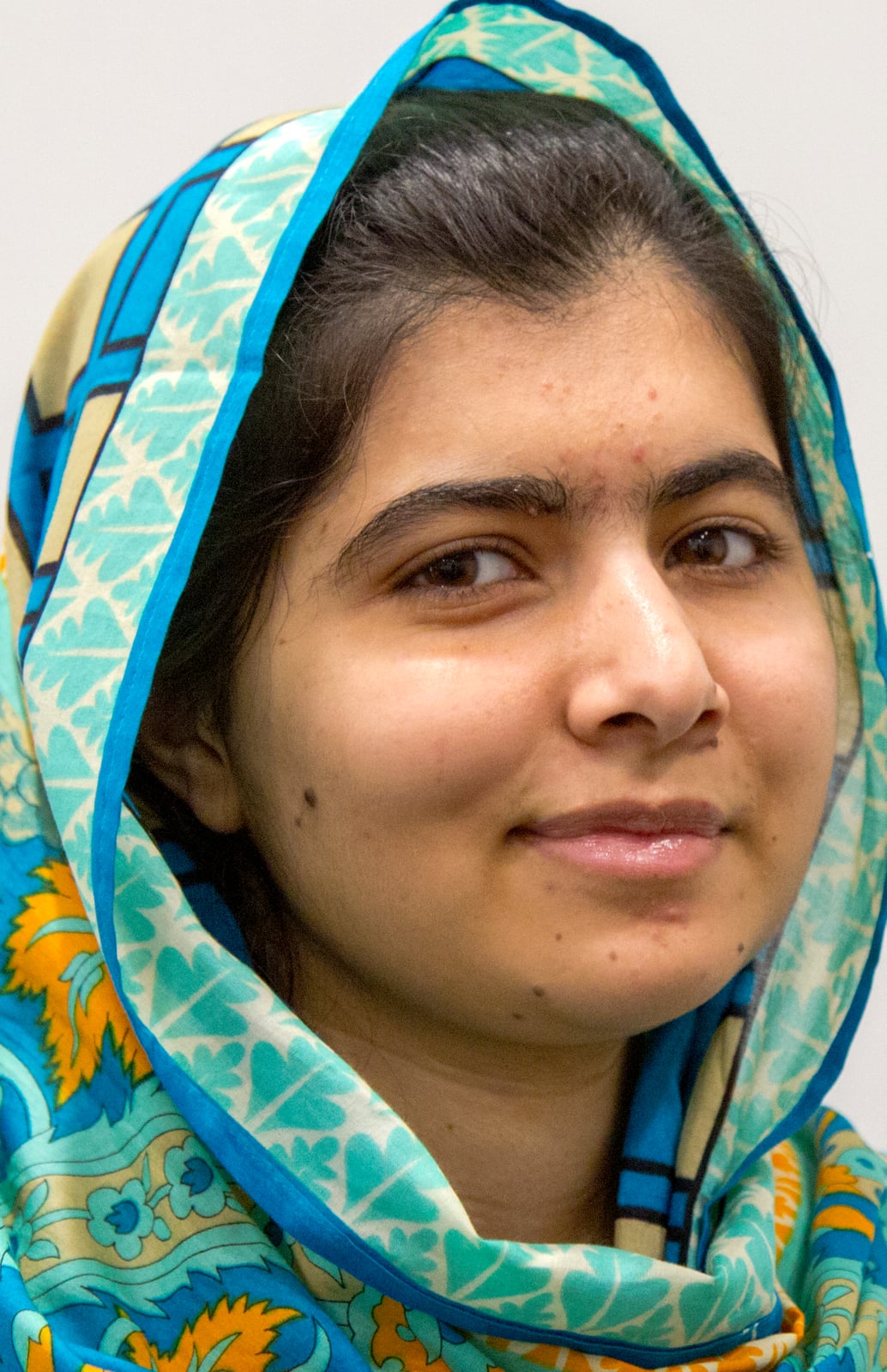
Malala Yousafzai

B. R. Ambedkar

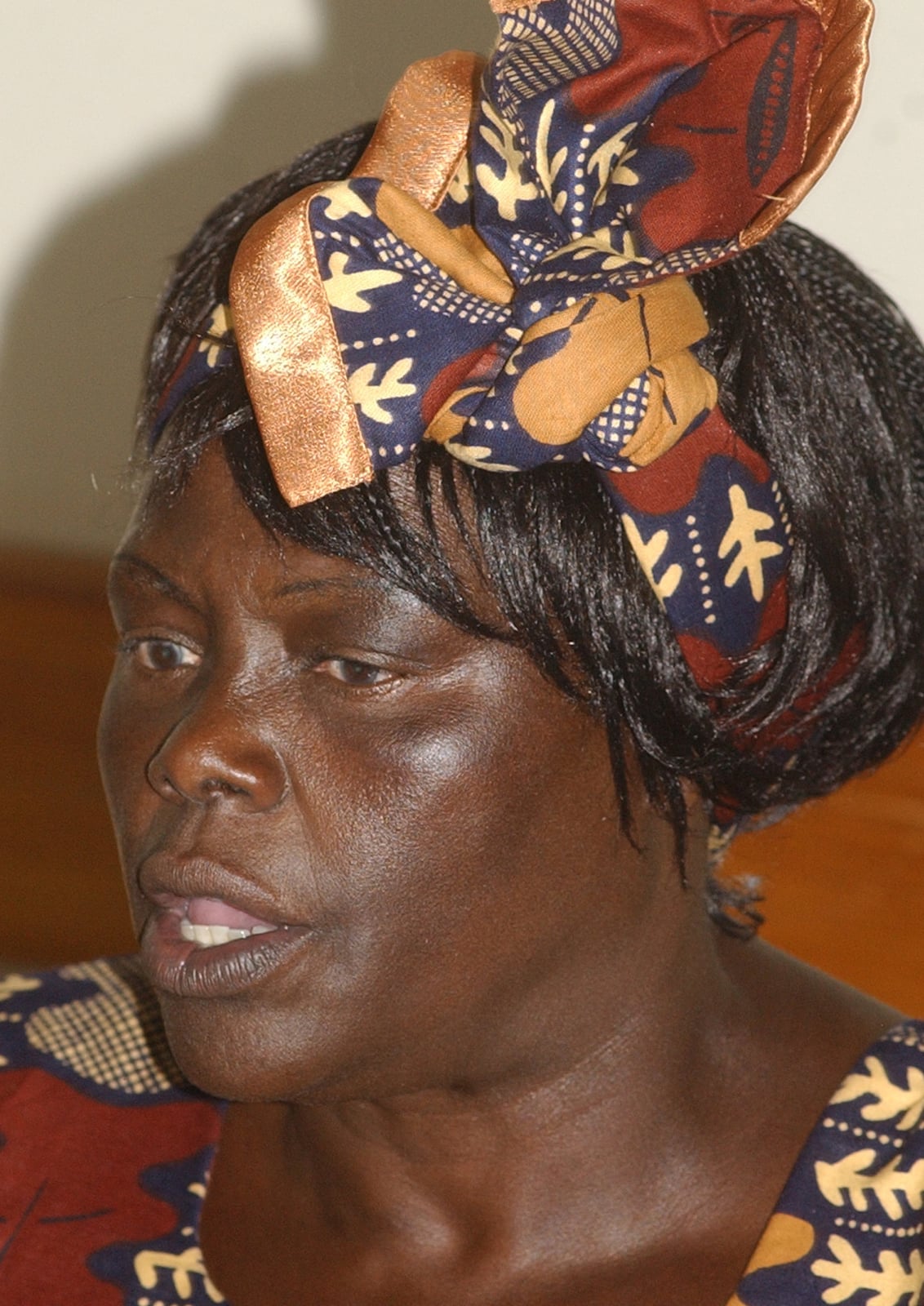
Wangari Maathai
Opposite Profile
Not a rival — a different profile shape worth a look.
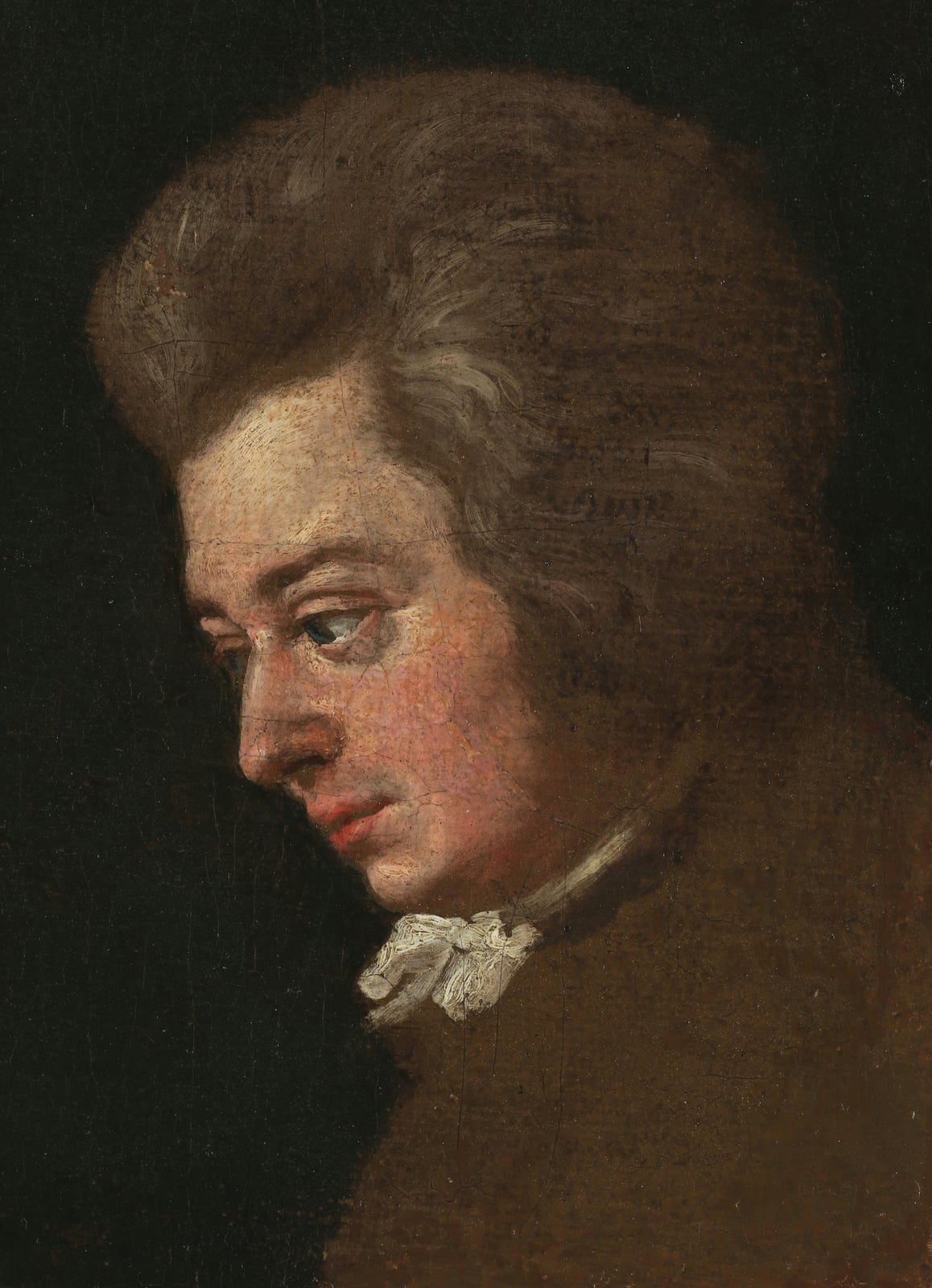
Wolfgang Amadeus Mozart
Sources
- Neil deGrasse Tyson (Q310903) -- verified live via the Wikidata API (2026-10-24): English label 'Neil deGrasse Tyson', description 'American astrophysicist and science communicator', born 1958-10-05, no death date, P18 image 'Neil deGrasse Tyson in June 2017 (cropped).jpg' used as the portrait. Orientation only; not used as support for any row.
- American Academy of Arts and Sciences, member biography 'Neil deGrasse Tyson' (amacad.org), read in full: Frederick P. Rose Director of the Hayden Planetarium and research associate in astrophysics at the American Museum of Natural History; BA physics Harvard, PhD astrophysics Columbia; elected to the Academy in 2015; monthly essays for Natural History magazine 1995-2005 and about 15 books; host of Origins (2004), NOVA ScienceNOW (five seasons from 2006), Cosmos (2014) and Cosmos: Possible Worlds (2020); creator of StarTalk; Cosmos (2014) won four Emmys and a Peabody; 21 honorary doctorates, NASA Distinguished Public Service Medal. CANONICAL SIGNIFICANCE SOURCE. The page's government-commission and personal-honour entries were not scored.
- Biography.com, 'Neil deGrasse Tyson' (biography.com), read in full: Harvard physics and Columbia astrophysics doctorate (1991); Hayden Planetarium from 1996, director, leading a $210 million renovation completed in 2000 that involved design work and fundraising; the Pluto exhibit decision and public objections, with the IAU dwarf-planet classification in 2006; NOVA ScienceNow 2006-2011; Cosmos 2014 as host and executive editor; StarTalk since 2009 and its TV spin-offs; books. Popular biography, read for orientation and behaviour; the government-service lines were not scored.
- California Academy of Sciences speaker biography 'Neil deGrasse Tyson' (calacademy.org), read in full: Frederick P. Rose Director of the Hayden Planetarium and research associate in astrophysics at the American Museum of Natural History; NOVA ScienceNow 2006-2011, frequent guest on late-night and talk programmes, StarTalk radio since 2009, Cosmos: A Spacetime Odyssey from 2014. Institutional speaker bio, promotional by nature.
- Times Higher Education, review of 'The Pluto Files' (timeshighereducation.com), read in full: a January 2001 New York Times article noted Pluto missing from the Rose Centre exhibit; Tyson became a public face of the controversy; the reviewer, an astronomer who attended the 2006 IAU meeting, calls him 'not a humble man' but a gifted speaker, writer and popularizer of astronomy, and suspects his part was sometimes overstated; the book is judged entertaining but less a scientific explanation than a look at the cultural reaction. Independent professional reviewer; the 'not a humble man' remark is a personality judgment and was not scored.
- Neil deGrasse Tyson's own preface to 'The Pluto Files' (neildegrassetyson.com, 2009), read in full: the Rose Center opened in February 2000 with exhibits grouping objects by shared properties, placing Pluto with icy outer-solar-system objects; Tyson chaired the committee that designed the exhibits and as planetarium director became the most visible spokesperson; a front-page New York Times story about a year after opening; he was 'branded a public enemy of Pluto lovers', says the committee shared accountability; the August 2006 IAU vote moved attention away from the Rose Center. SELF-TESTIMONY: used only alongside the independent review.
- Massimo Pigliucci, 'Neil deGrasse Tyson and the value of philosophy' (Scientia Salon, 12 May 2014), read only as the introductory excerpt reposted by 3 Quarks Daily (3quarksdaily.com): Pigliucci, a philosopher and scientist who calls Tyson 'my friend', writes that Tyson dismissed philosophy as a useless enterprise and advised bright students to stay away from it, calls this egregious for such a visible science communicator and says he had told Tyson not to make such comments several times. COUNTER-VOICE on public statements only; the full essay and Tyson's own remarks were not opened, so the rows rely on it only for a caution.