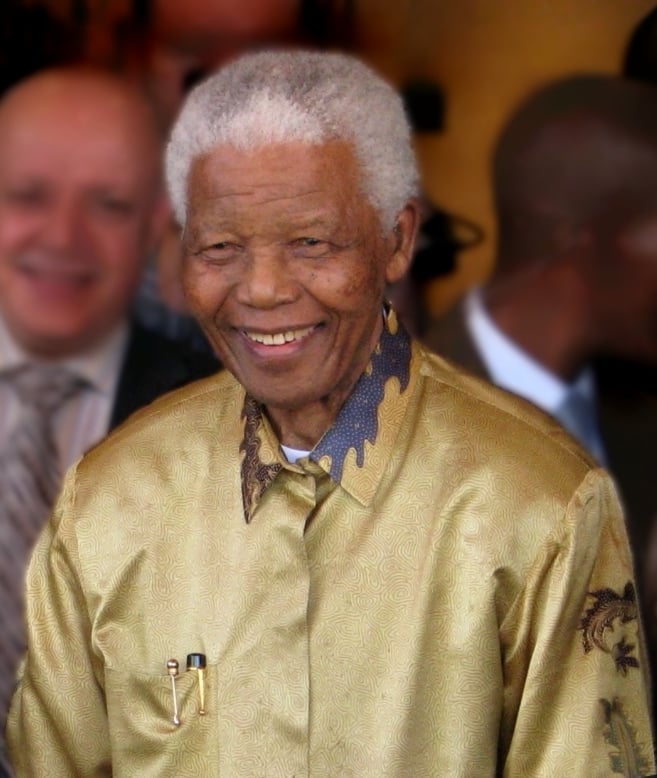
Nelson Mandela
93% Profile Match

B. R. Ambedkar, photographer unknown, after 1948 or the 1950s · Wikimedia Commons · Public Domain
1891 — Born into a caste facing severe educational discrimination.
1913–1923 — Earned doctoral degrees at Columbia University and the London School of Economics.
1927 — Led the Mahad Satyagraha for public water access, and later burned the Manusmriti in protest.
1932 — Broke publicly with Gandhi over separate electorates for Dalits, negotiating the Poona Pact instead.
1947–1950 — Chaired the committee that drafted India's constitution, building its framework for fundamental rights and federal structure.
1956 — Converted to Buddhism in protest of caste discrimination; died weeks later.
Earned multiple doctoral degrees, at Columbia University and the London School of Economics, while born into a caste facing severe documented educational discrimination, and went on to chair the committee that drafted India's constitution.
As chair of the Constitution's Drafting Committee, built a comprehensive framework integrating fundamental rights, federal structure, and social-reform provisions, and separately founded multiple political and social organizations, including the Independent Labour Party and the Scheduled Castes Federation.
Produced substantive work across economics (his doctoral dissertations, including The Problem of the Rupee), law (the constitutional drafting), and social and religious reform (his conversion to Buddhism and his writing on caste).
He organized the 1927 Mahad Satyagraha, a public water-access protest, and later publicly burned the Manusmriti in protest — sustained, direct public confrontation with the caste system's institutional defenders across his career.
The profile's conflict_tolerance score describes a repeated strategy across specific, named incidents here, not a single isolated act of defiance. Conflict Tolerance
He secured funding and access to elite international education at Columbia and the London School of Economics despite starting from a caste facing severe documented institutional barriers to basic schooling.
In the 1932 Communal Award dispute, Ambedkar broke publicly and decisively with Gandhi over separate electorates for Dalits, ultimately negotiating the Poona Pact rather than accepting Gandhi's position unchanged — a documented rupture with the era's dominant nationalist leadership that reshaped his subsequent standing as an independent political voice for Dalit rights.
Disagreeing with Gandhi's own stature carries more evidentiary weight for the profile's independent_thinking score than a lower-stakes dispute would. Independent Thinking
People whose overall profiles resemble theirs.
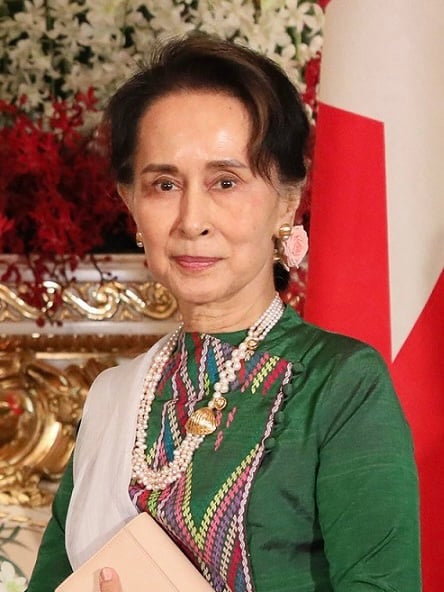
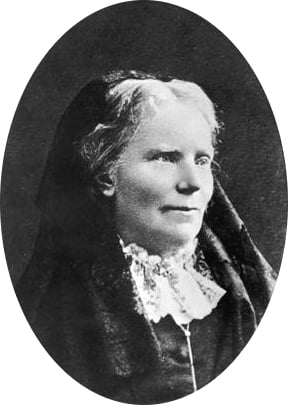
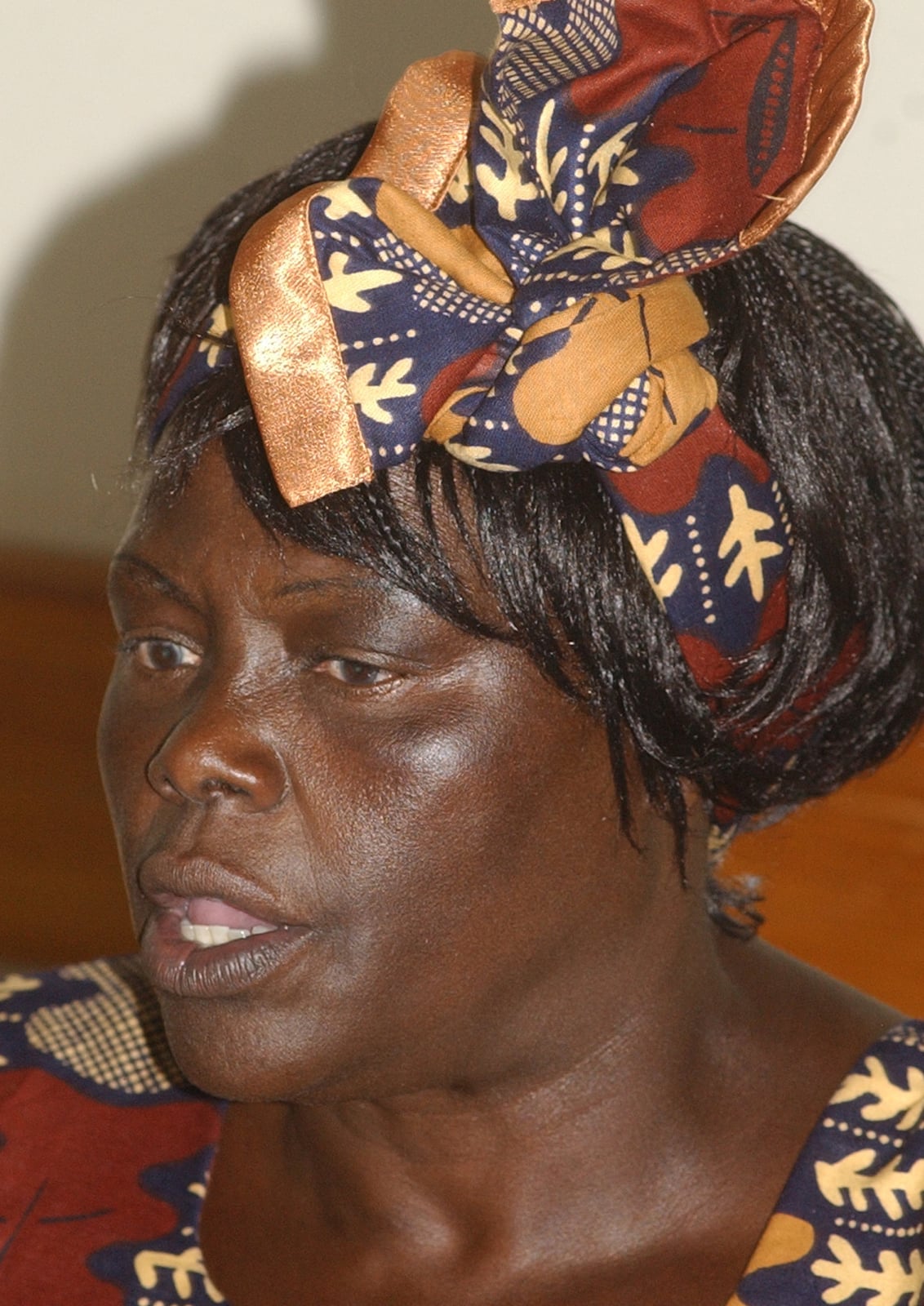
Not a rival — a different profile shape worth a look.