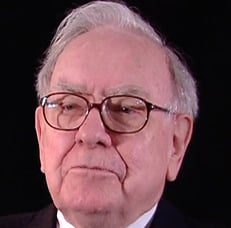
Warren Buffett
94% Profile Match

Unknown photographer, c. 1850s · Wikimedia Commons (UK photograph, author unknown) · PD-UK-unknown
Taught himself the foundations of science during a seven-year bookbinding apprenticeship by reading the books brought to him for binding, then attended a public lecture series purely as an audience member and wrote up detailed illustrated notes on his own initiative.
Discovered electromagnetic induction in 1831, after resuming active research in the mid-1840s following a documented multi-year interruption caused by illness.
Within a week of his 1821 discovery of electromagnetic rotation, was publicly accused of plagiarism by his own mentor, Humphry Davy, who then cast the sole vote against his Royal Society nomination -- Faraday responded by withdrawing from electromagnetism research for nearly a decade, until Davy's death.
Responding to this sustained professional conflict with withdrawal rather than continued engagement is part of the basis for the profile's conflict_tolerance score, scored on the low side to reflect that documented response honestly. Conflict Tolerance
Declined the Presidency of the Royal Society on two separate occasions, and refused to profit from patents on his own inventions on religious and ethical grounds, sustained across decades.
Repeatedly prioritizing personal principle over conventional institutional reward, across decades, is part of the basis for the profile's autonomy_need score. Need for Autonomy
People whose overall profiles resemble theirs.