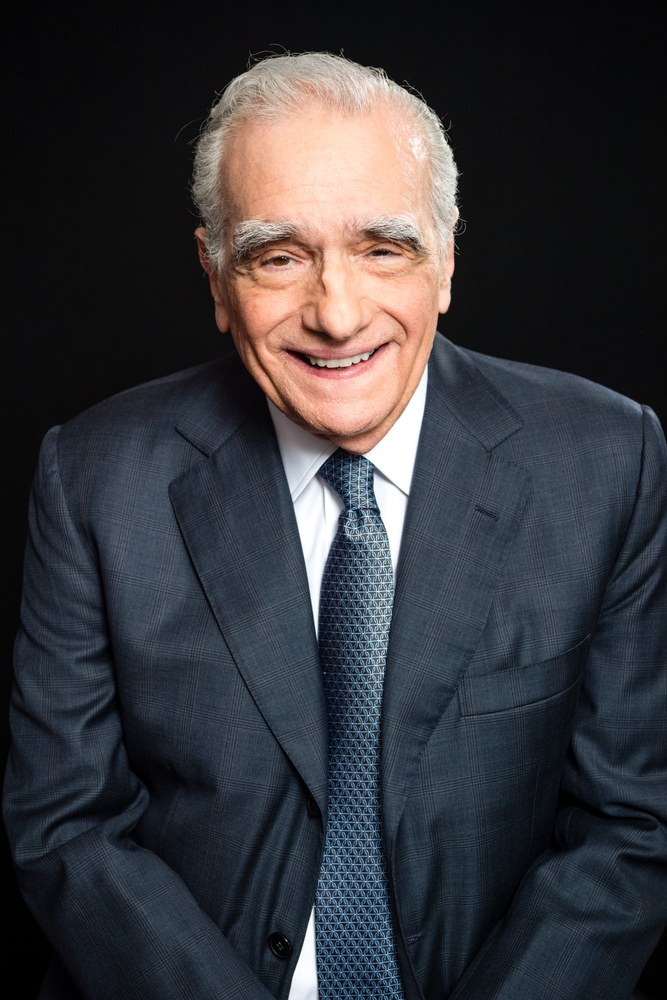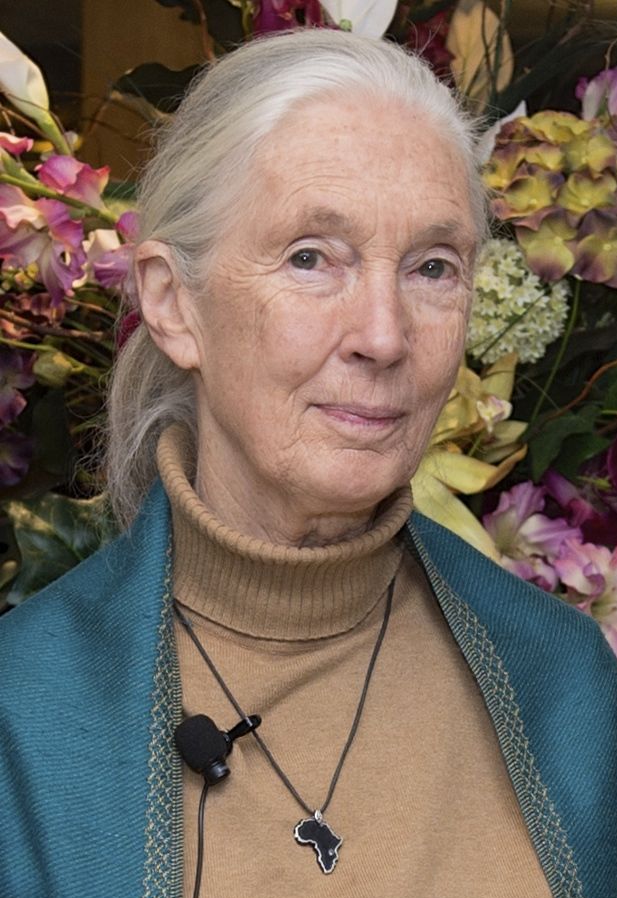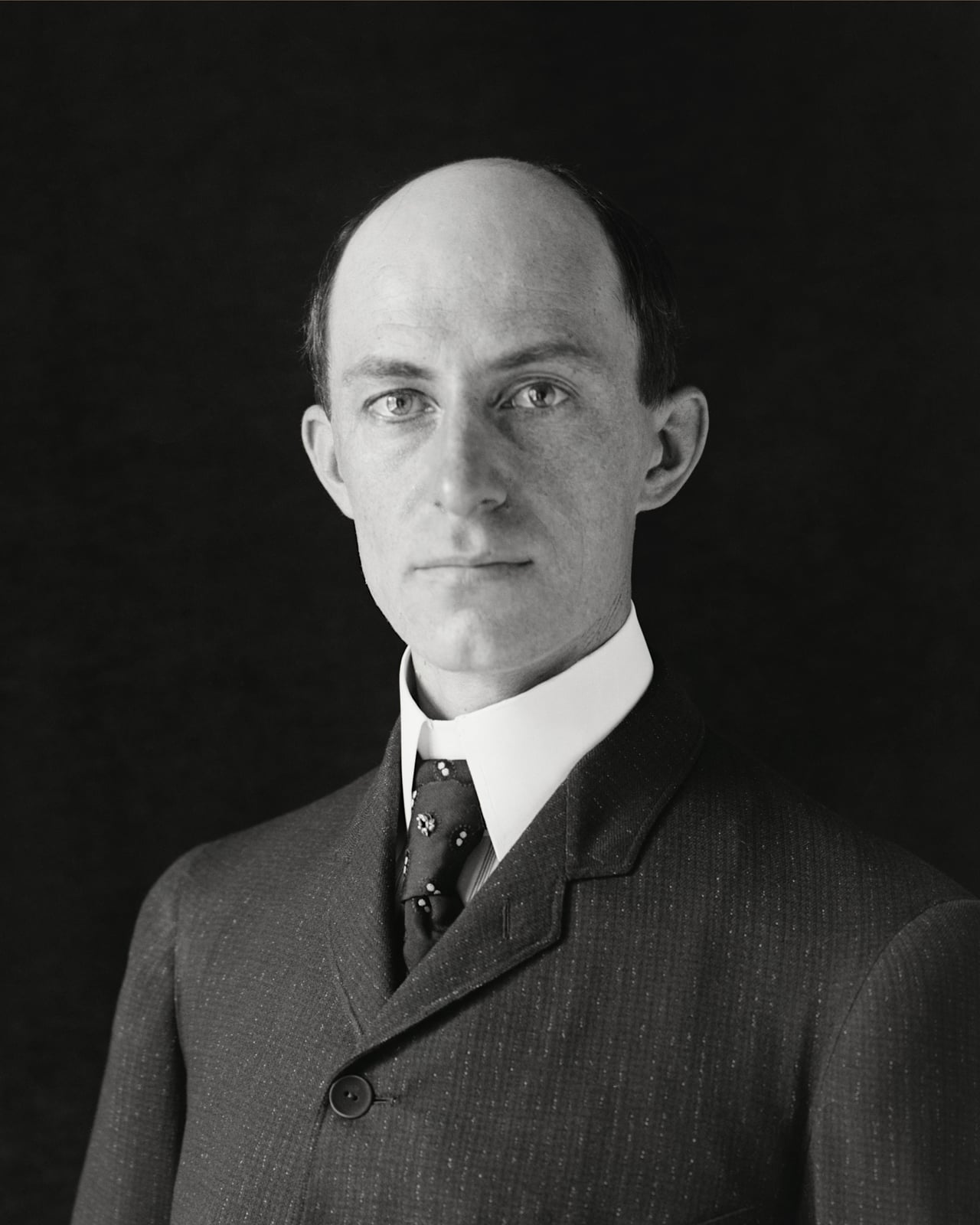

Photo: Neil Grabowsky / Montclair Film, 27 October 2023, CC BY 2.0, downscaled from the original · Wikimedia Commons, 'Martin Scorsese 2023.jpg' -- photograph by Neil Grabowsky for Montclair Film, taken 27 October 2023 at the Montclair Film Festival, from Montclair Film's Flickr (photos/montclairfilmfest/53292988944), Commons licence review passed by FlickreviewR 2 on 2023-10-30; Commons file 3712 x 5568 pixels, downscaled once to 667 x 1000 (never upscaled). · CC BY 2.0
film director · Contemporary
Martin Scorsese
b. 1942
Known For
Not yet included in personality matching — the documented evidence doesn't yet cover enough of the personality model. Everything else on this page is fully available.
Trait Constellation
Key Achievements
He broke through with Mean Streets (1973), his first film with Robert De Niro, and Taxi Driver (1976), which won the Palme d'Or at Cannes, according to Britannica.
He co-founded the Film Foundation in 1990 with seven other directors and served as its board president; by 2010 it had restored 545 films.
He won the best director Oscar for The Departed (2007), which also won best picture, after earlier nominations for Raging Bull, Goodfellas, The Last Temptation of Christ, Gangs of New York and The Aviator.
Moments That Reveal Them
On Silence, when fog suddenly whited out the village, he told the crew to shoot it, had the samurai emerge from the fog, and later reshot the close-ups, according to his editor Thelma Schoonmaker.
This is consistent with turning an unplanned change of conditions into part of the film. Adaptability
According to cinematographer Rodrigo Prieto, Scorsese makes very meticulous shot lists and diagrams, largely before the locations are fixed, and then walks him through the whole shot list in prep.
This is consistent with detailed advance planning of how a film will be shot. Planning Orientation
Turning Points
In 1990 he became president of the board of the newly announced Film Foundation, which he and seven other directors launched to preserve American film heritage, and by 2010 he had also campaigned for a low-fade colour film stock.
This is consistent with committing a filmmaker's standing to the long-term survival of film history. Impact Motivation
Similar People
People whose overall profiles resemble theirs.
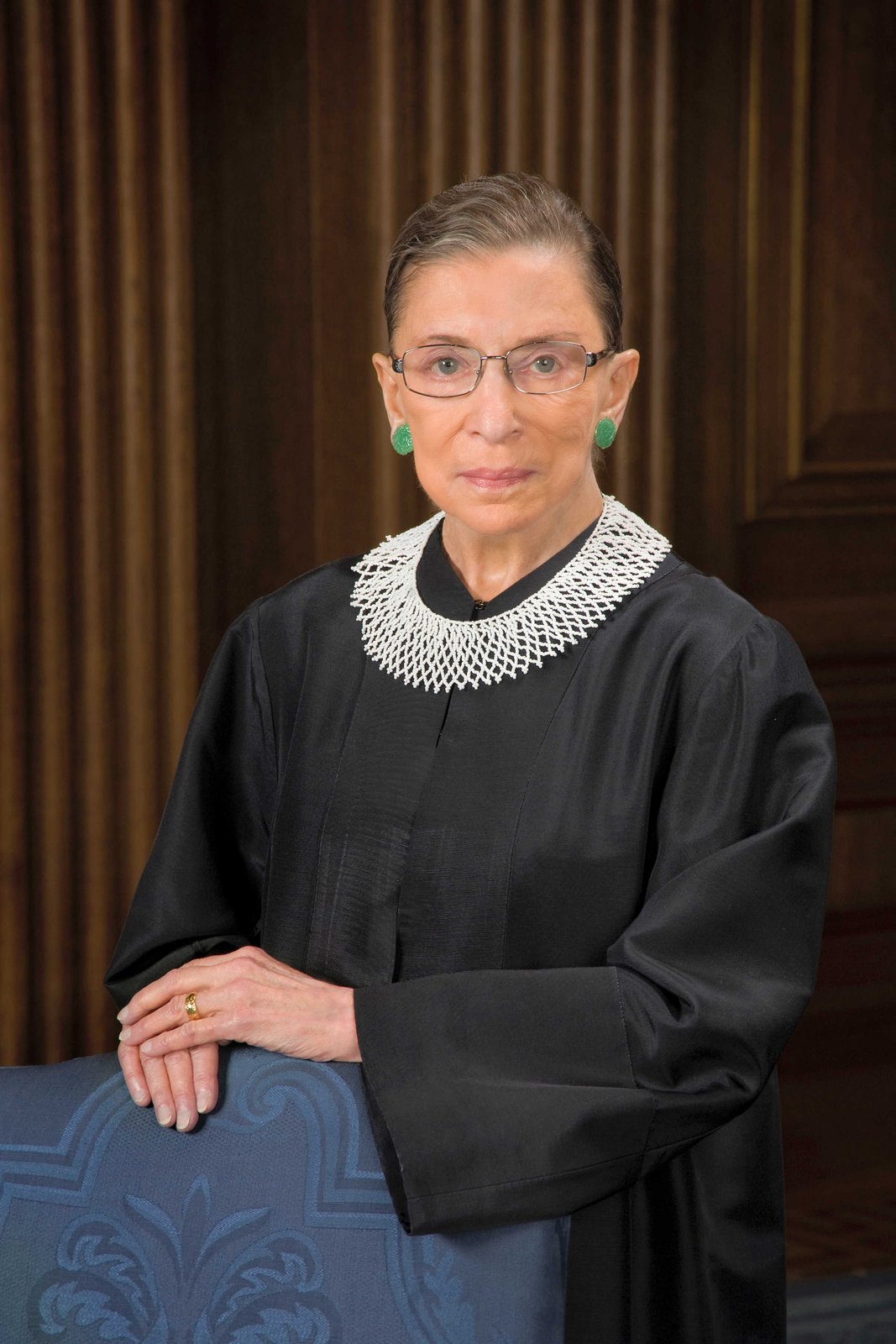

Ruth Bader Ginsburg

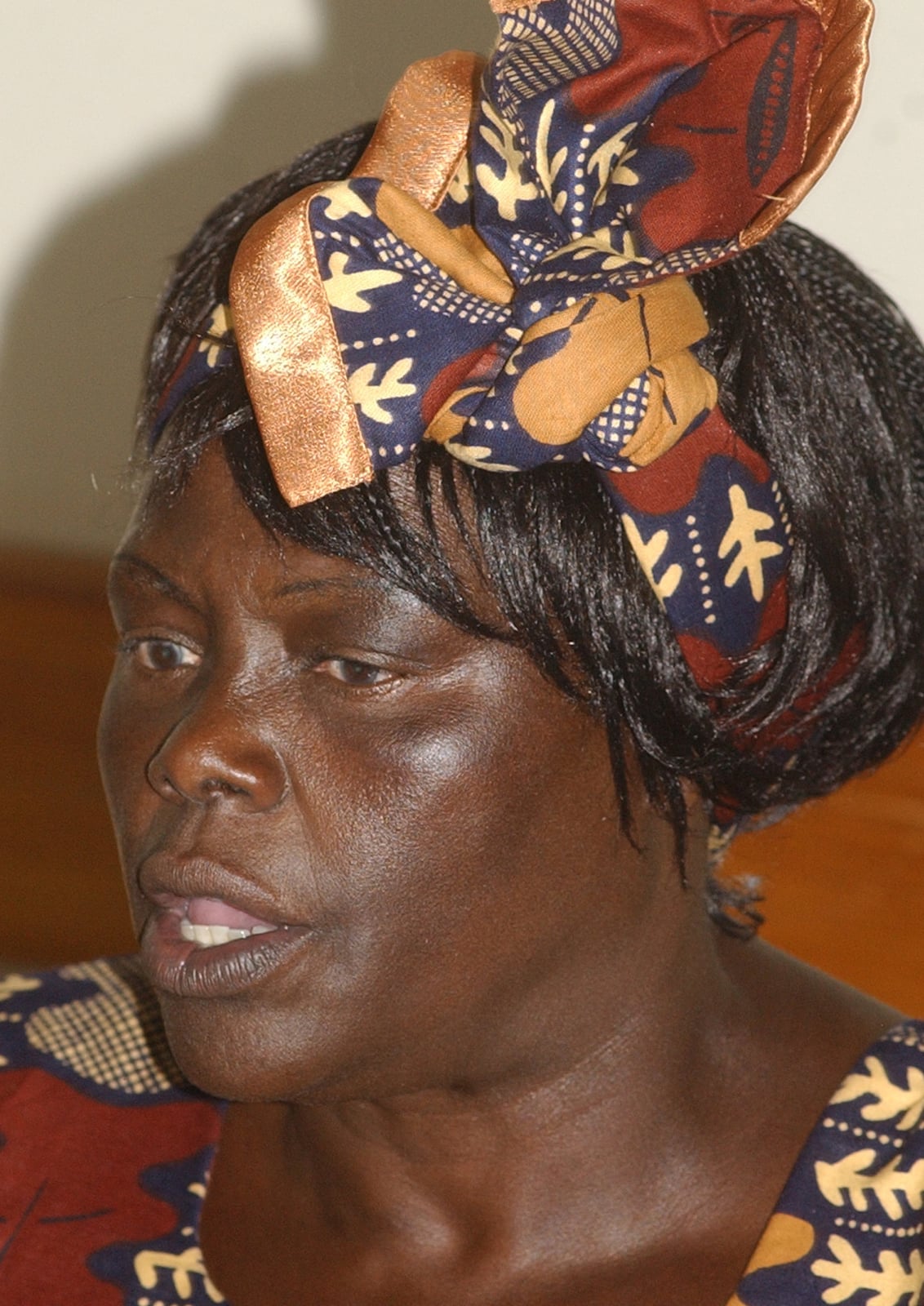
Wangari Maathai

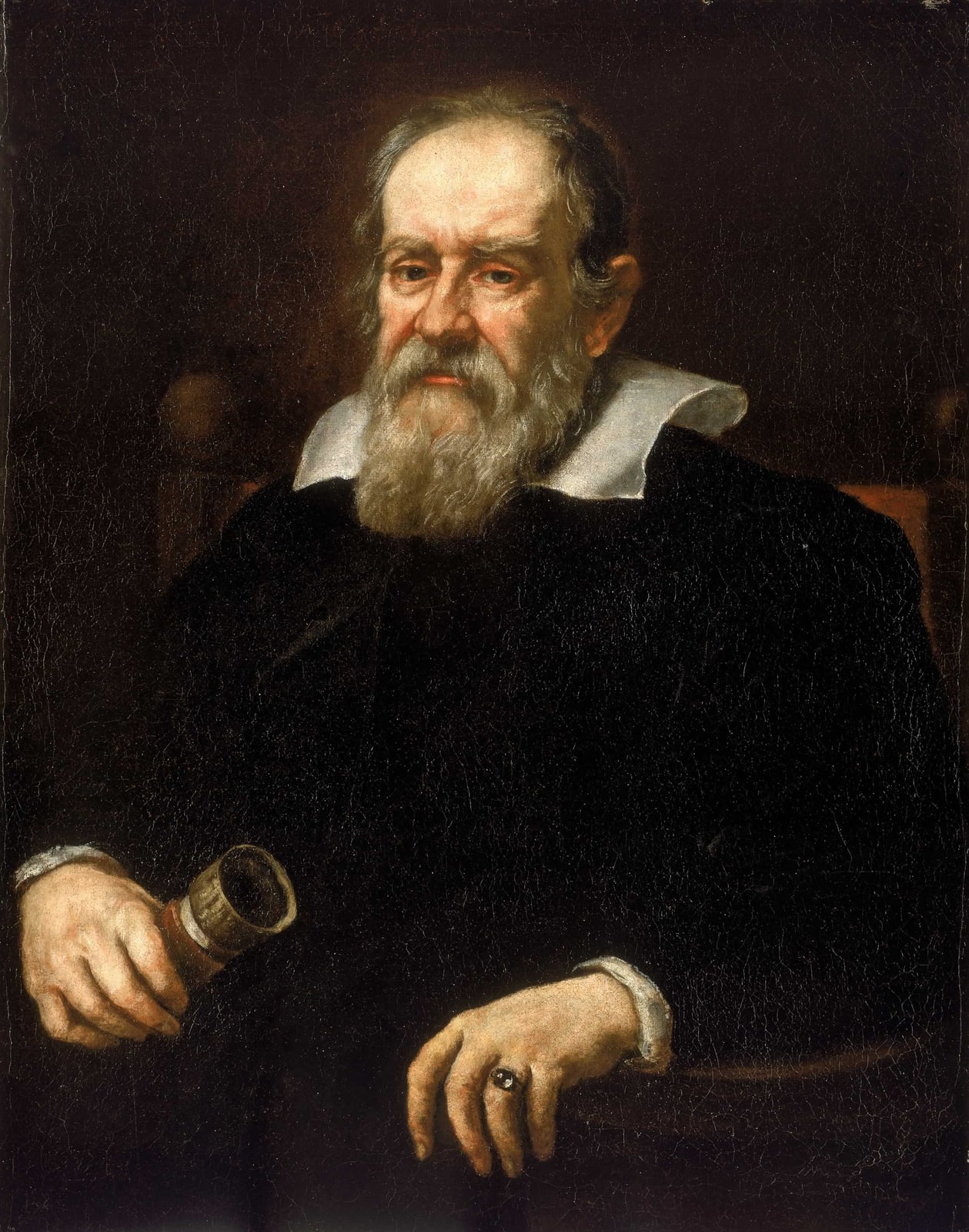
Galileo Galilei

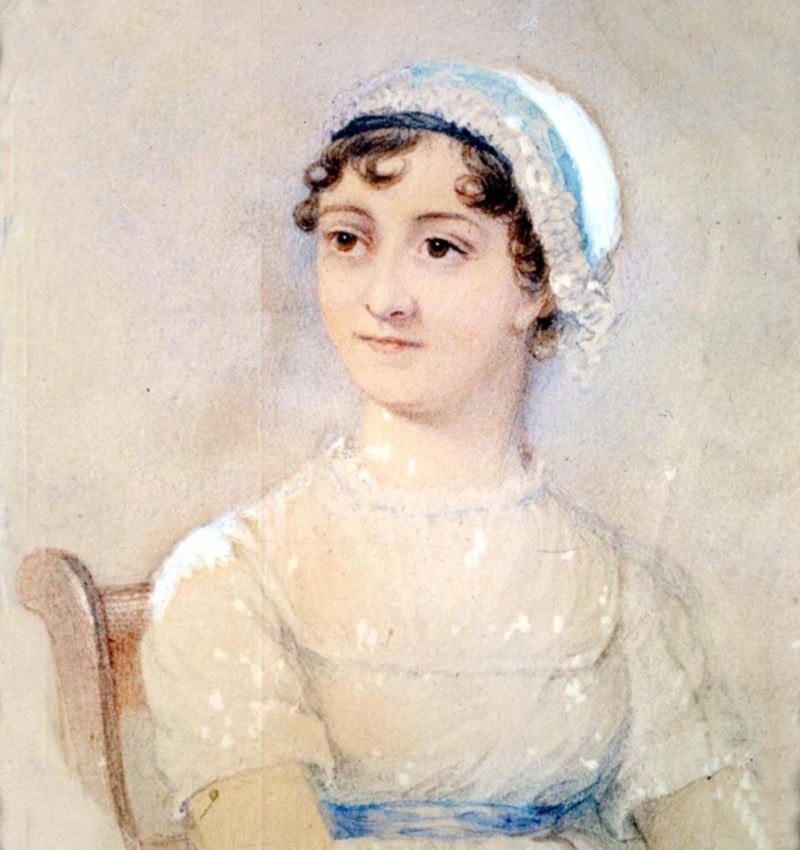
Jane Austen

Jane Goodall
Opposite Profile
Not a rival — a different profile shape worth a look.
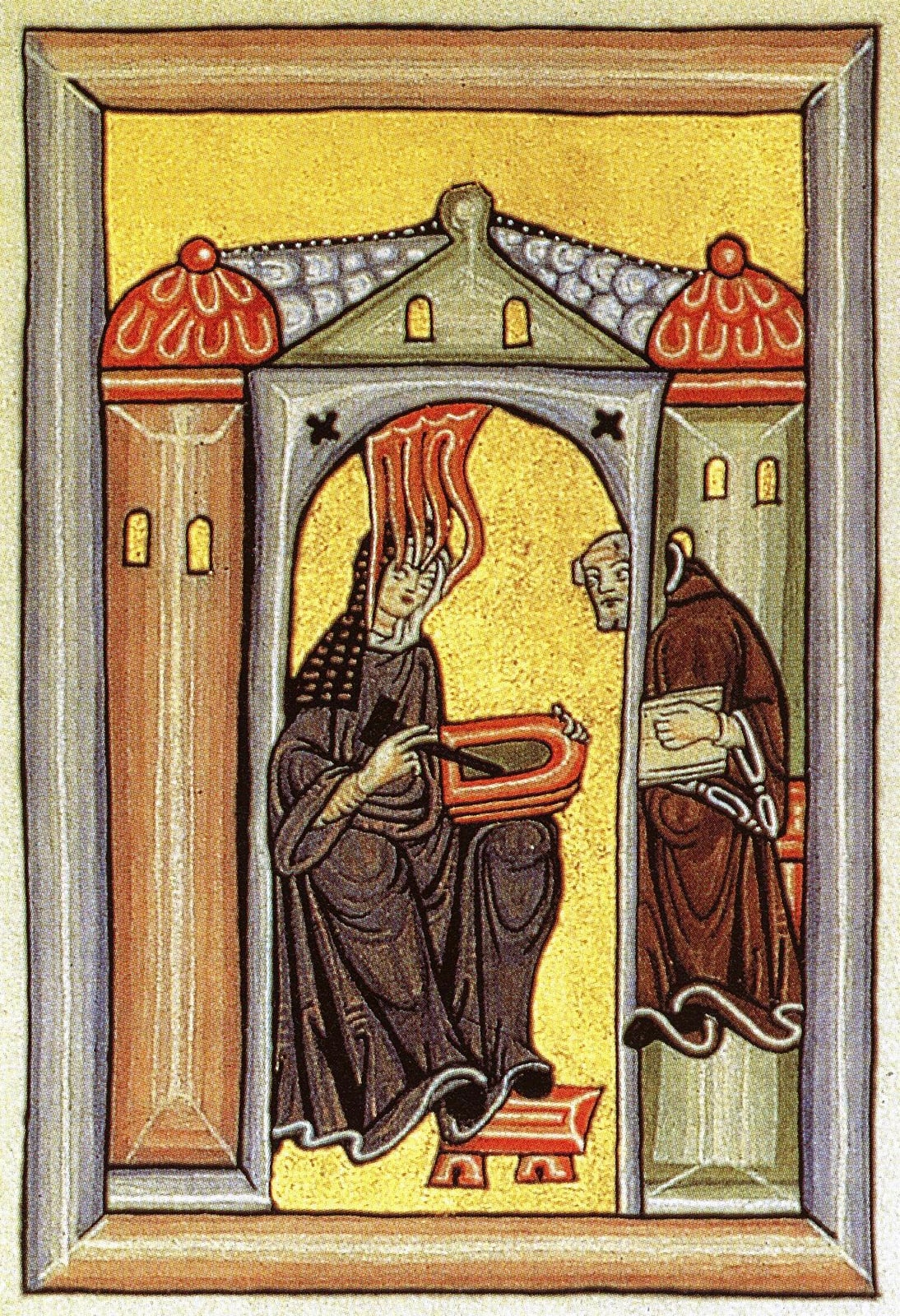
Hildegard of Bingen
Sources
- Martin Scorsese (Q41148) -- verified live via the Wikidata API (2026-10-11): English label 'Martin Scorsese', description 'American filmmaker (born 1942)', born 17 November 1942, no date of death, citizenship United States (a second citizenship is listed, not used), Korean label present. Orientation only; not used as support for any row.
- Encyclopaedia Britannica, 'Martin Scorsese' biography entry -- CANONICAL SIGNIFICANCE SOURCE: introduction calls him known for harsh, often violent depictions of American culture, and 'perhaps the most significant American director of the late 20th and early 21st centuries'; the career sections give Who's That Knocking at My Door, Mean Streets (with Harvey Keitel and Robert De Niro, who did ten films with him between 1973 and 2023), Taxi Driver (Palme d'Or at Cannes), New York, New York and The Last Waltz, and the page's questions section notes his efforts since the 1970s for film preservation, including a 2018 essay for Britannica. The public page is truncated after 1978, so nothing on Raging Bull or later films was read there. Used for the achievement cards only.
- The Film Foundation, press release 'Filmmakers announce new Film Foundation for film preservation' (1 May 1990) -- founding announcement by Scorsese, Woody Allen, Francis Ford Coppola, Stanley Kubrick, George Lucas, Sydney Pollack, Robert Redford and Steven Spielberg, naming Scorsese president of the board and giving the foundation's four goals (public awareness, funds for archives, joint archive-industry projects, preservation practices for current productions). Organisation's own archive page, promotional in tone; used for what was announced and when, not for how he behaved in any scene. Read in full.
- Raeanne Marsh, 'Scorsese's Film Foundation Preserving Lifetime of Movies', Moving Pictures magazine (20 September 2010), republished on the Film Foundation site -- trade-magazine profile: 545 films restored since 1990, his campaign for Kodak to develop a low-fade colour stock after noticing faded prints, which he advocated during the 1980 Raging Bull press tour (the film was shot in black-and-white partly to avoid fading), how the board selects preservation projects from archives' annual proposals, and the dilemma of restoring a film as audiences first saw it or with new technology. Trade-press profile quoting him, with the foundation's own executive director; admiring in tone. Read in full.
- Den of Geek, 'Thelma Schoonmaker interview: editing Silence, Scorsese, Michael Powell' (published around the release of Silence, undated on the page) -- interview with his long-time editor: dailies viewed together with him constantly telling her what he feels about what he shot, his strong views on a slower pace and a very quiet, nature-merged sound mix for Silence, his instruction to leave a noisy Taiwanese bird on the dialogue track ('That's part of it'), shooting the samurai emerging from sudden fog ('Shoot it!') and later reshooting the close-ups, his habit of showing her films as inspiration before a scene, his love of grasping accidents (the Taxi Driver mirror line), and her view that Bringing Out the Dead, King of Comedy and Raging Bull took years to be appreciated. Collaborator first-hand account (non-self), warm in tone. Read in full.
- Wide Angle / Closeup, 'Interview with Editor Thelma Schoonmaker' (conducted in January 1991 on the Cape Fear set, with a second later interview) -- Schoonmaker on how they work: Scorsese and De Niro want private space because they experiment so much, he shoots knowing how the film will go together and does a lot of directing in the editing room, he likes to see all the options for each line and consults while she cuts, he rarely reshoots, he scripted Goodfellas so closely that no beloved material had to be dropped, whereas After Hours was 45 minutes too long, and his critical ear for sound ('I heard you fading'). Collaborator first-hand account (non-self), admiring but concrete. Read in full.
- No Film School, ''Silence' Cinematographer Rodrigo Prieto on Shooting Film and Digital for Scorsese' (December 2016) -- cinematographer's account: Scorsese is 'very meticulous with his shot listing and diagrams', which become 'the bible' and which he made largely before the locations were fixed; if he imagines a camera move he finds it hard to shake it, though at other times he is flexible with what a location offers; he chose a simpler visual language for this story; no random camera move. The introduction notes he had tried for 27 years to get Silence made (a statement by the writer, not checked). Collaborator first-hand account (non-self), admiring. Read in full.
- Academy of Motion Picture Arts and Sciences (A.frame), 'Rodrigo Prieto on Killers of the Flower Moon' interview (2023) -- cinematographer on working with Scorsese on a fourth film: he explains the shot list to him in prep, asked 'How do we evolve that?' about the look, proposed tinting and toning as an experiment which Prieto tested and found too stylised, Petzval lenses were tested, and a film is always playing in his trailer. Institution-run interview; collaborator first-hand account (non-self), admiring. Read in full.
- Rolling Stone, 'Martin Scorsese, Robert De Niro at Tribeca Film Fest: 10 Things We Learned' (April 2019) -- report of their public conversation: De Niro rehearsed the improvised Mean Streets scene with Scorsese, who jotted the details in a notebook; De Niro pushed him over several years to make Raging Bull while Scorsese hesitated; Jerry Lewis's professionalism on The King of Comedy taught him not to take an actor's time for granted. Mostly Scorsese's own recollections (self) as reported by a journalist, with De Niro present. Read in full.
- Boords, 'Martin Scorsese's Hand Drawn Taxi Driver Storyboards & the Stories Behind Them' -- blog article summarising the four-minute interview with Scorsese on the Taxi Driver Collector's Edition and a Phaidon interview: he drew his own pencil storyboards (often stick figures), used them to brief the crew and cinematographer Michael Chapman, and compared them with the shot list during the shoot to decide whether to combine, push or cut shots. Secondary summary of Scorsese's own words (self), so used only in combination with the independent preparation accounts. Read in full.
- WAMC (NPR) Morning Edition, 'Scorsese, Departed Grab Top Oscars' (26 February 2007) -- report that after five directing nominations he won the best director Oscar for The Departed, which also won best picture, and that he had been nominated seven times in all including twice for screenwriting; names his earlier nominated films. Read in full.
- Flickr photo page 'NEG_6647 | Photo by: Neil Grabowsky | Montclair Film' (photographer credit Neil Grabowsky, Montclair Film Festival, 27 October 2023), licence shown as Creative Commons Attribution 2.0 -- page checked for the portrait's licence. Not used for any scoring.