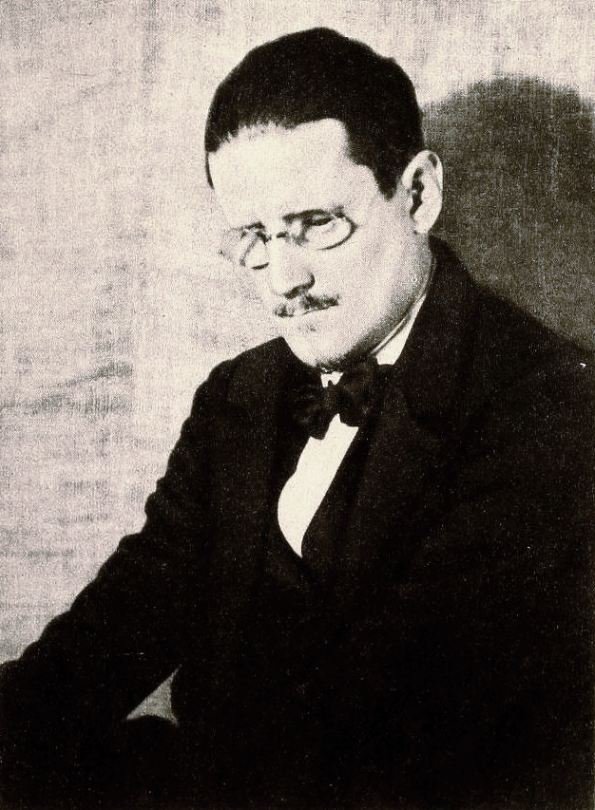
James Joyce
94% Profile Match
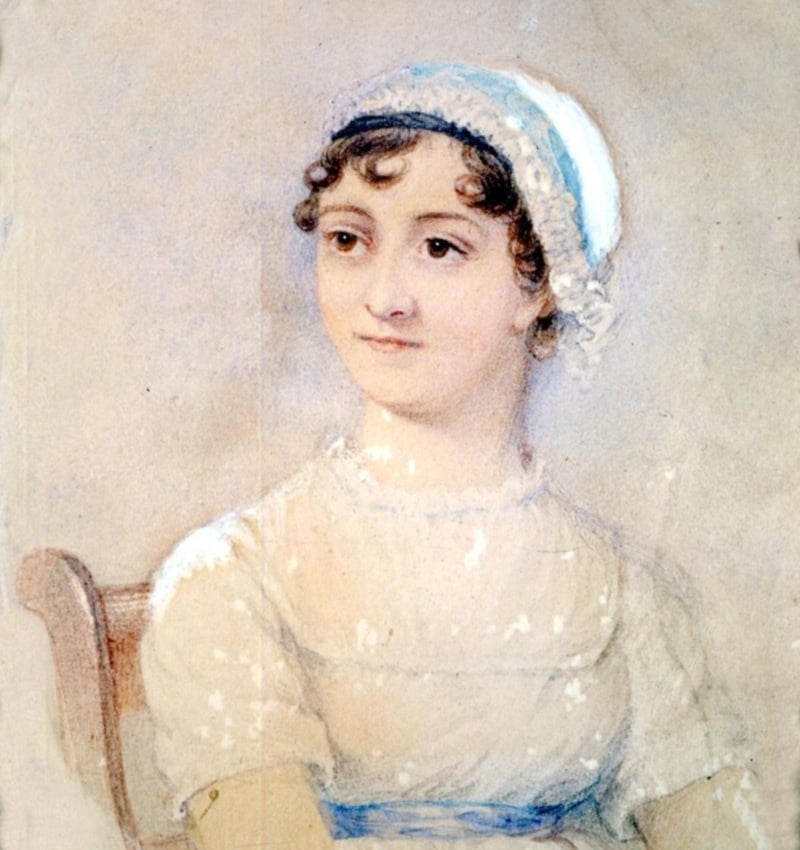
Watercolor and pencil sketch by Cassandra Austen, c. 1810 — the only surviving portrait of Jane Austen made during her own lifetime showing her face, National Portrait Gallery, London (NPG 3630), Public Domain · Wikimedia Commons (hosted locally by this app as a recompressed derivative; see licenseUrl for the original) · Public Domain
1775 — Born.
1797 — An early manuscript that later became Pride and Prejudice was rejected by a publisher, unread.
1802 — Accepted a marriage proposal from Harris Bigg-Wither, then withdrew her acceptance the next morning.
1811 — Published her first novel, Sense and Sensibility, anonymously as "By a Lady."
1813 — Published Pride and Prejudice, the manuscript she had revised for sixteen years.
1817 — Died; wide recognition of her work came only after her death.
Literary scholarship widely credits her with an early, sustained use of free indirect discourse — narrating through a character's internal perspective without switching into the first person — a technique later foundational to the novel form.
Published all six of her novels anonymously, as "By a Lady," and by her family's and biographers' account deliberately avoided seeking public literary fame during her lifetime — wide recognition came only after her death.
In December 1802, she accepted a marriage proposal from Harris Bigg-Wither — a match that would have secured her family's financial position — then withdrew her acceptance the following morning.
Biographers read this as motivated substantially by a wish to preserve her own independence, though her family's financial circumstances complicate a purely autonomy-driven reading — this profile treats it as one plausible factor among several, not the whole explanation. Need for Autonomy
She corresponded regularly with her sister Cassandra throughout her writing career, exchanging detailed feedback on drafts — a sustained editorial relationship documented across her surviving letters.
An early manuscript that eventually became Pride and Prejudice was reportedly rejected by a publisher without being read in 1797. She continued revising it and pursuing publication over the next sixteen years rather than abandoning it, and it became her best-known novel.
People whose overall profiles resemble theirs.
Not a rival — a different profile shape worth a look.