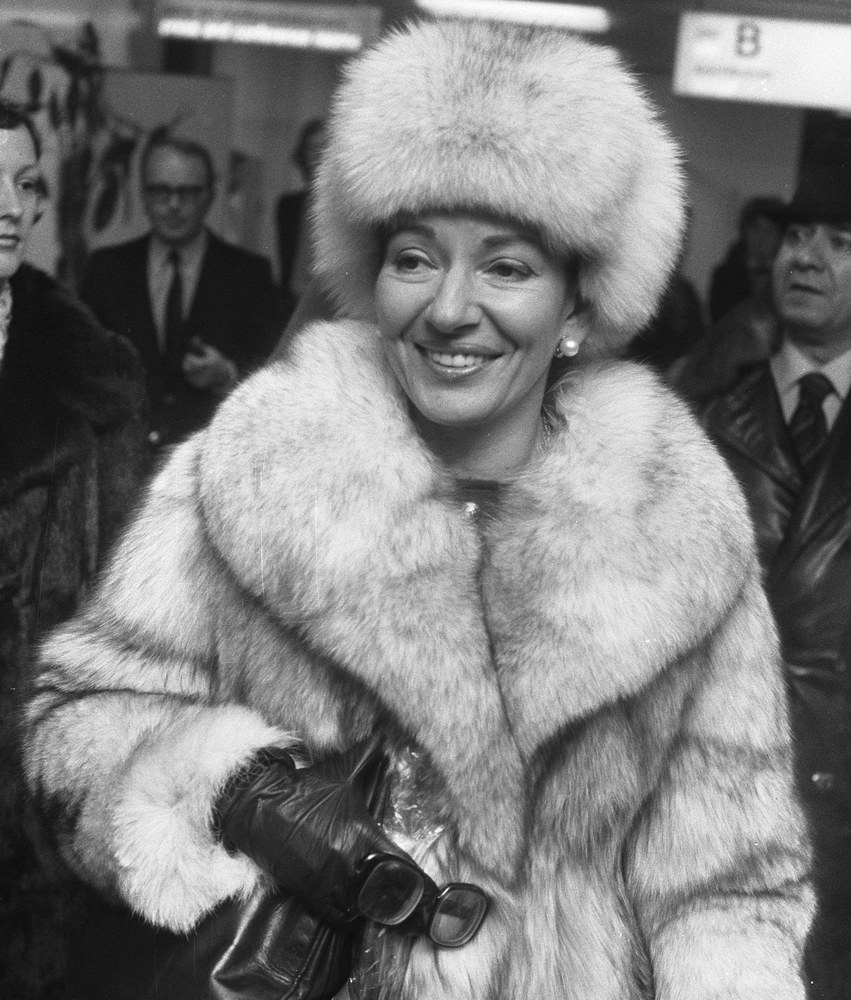

Photograph by Bert Verhoeff / Anefo, Nationaal Archief (CC0; credit not required, given as a courtesy); cropped and downscaled · Nationaal Archief, Fotocollectie Anefo, bestanddeelnummer 926-8776 (series 'Maria Callas op Schiphol'), photograph by Bert Verhoeff at Schiphol, 9 December 1973; Wikimedia Commons original 2426 x 3665 pixels, cropped to the sitter (a 2200 x 2585 region, other people partly removed) and downscaled once to 851 x 1000, greyscale (never upscaled) · CC0 1.0 Public Domain Dedication (Commons licence tag CC-zero; rights holder stated as Nationaal Archief)
singer · 20th Century
Maria Callas
1923–1977
Known For
Not yet included in personality matching — the documented evidence doesn't yet cover enough of the personality model. Everything else on this page is fully available.
Trait Constellation
Key Achievements
She revived 19th-century bel canto roles by Bellini and Donizetti that had long been dropped from standard repertoires, working with conductor Tullio Serafin, according to Britannica.
She sang more than 40 roles and recorded more than 20 complete operas, debuting at La Scala in 1950 and Covent Garden in 1952 and singing Norma at Chicago's Lyric Opera in 1954 and repeating it at the Metropolitan Opera.
She joined singing to characterization in roles such as Norma and Tosca; critic John Steane says her records hold an incomparable fusion of the two.
Moments That Reveal Them
In a 1957 Dallas rehearsal she kept at the last rising scales of Martern aller Arten until, on the third try, she took them in one breath.
This is consistent with insisting on a demanding technical standard in rehearsal. Perfectionism
At the 1958 Lisbon Traviata she reportedly declined the conductor's suggestion to ease the final high note, citing Verdi's triple-piano marking.
This is consistent with putting fidelity to the written score ahead of a safer option. Detail Orientation
Turning Points
In 1949 in Venice she stepped in as Elvira in I puritani while in rehearsal as Brunnhilde, a breakthrough that, with Serafin's guidance, led her toward the bel canto repertoire.
This is consistent with accepting a high-stakes short-notice role and then following a mentor's advice on repertoire. Risk Tolerance
Similar People
People whose overall profiles resemble theirs.

Gertrude Bell

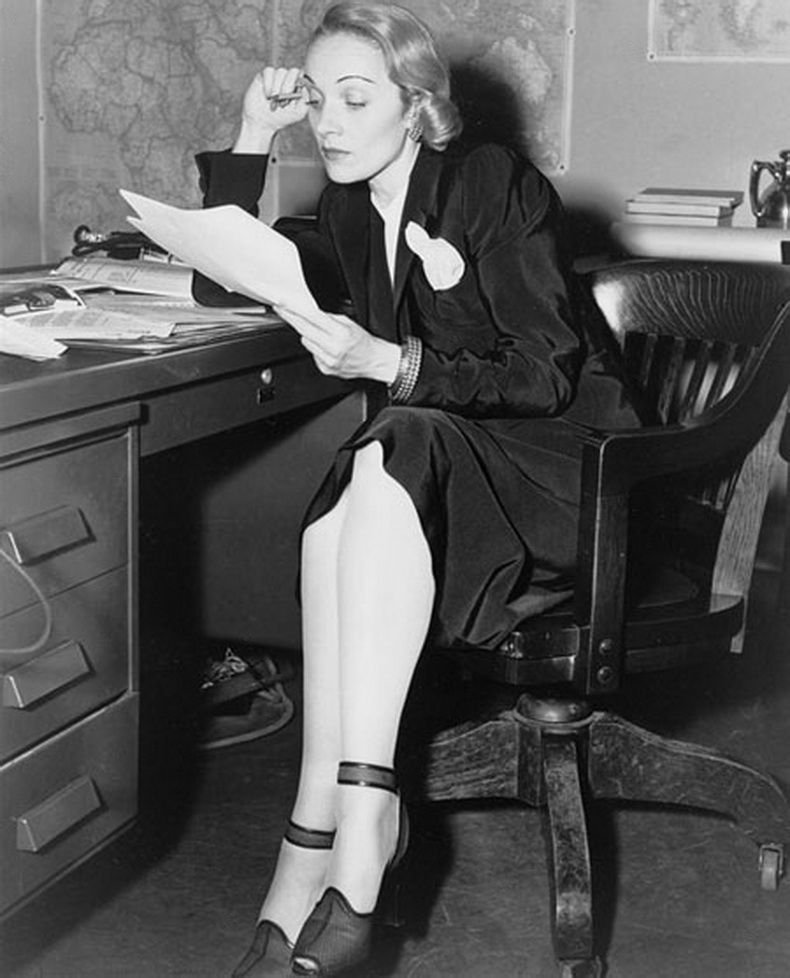
Marlene Dietrich

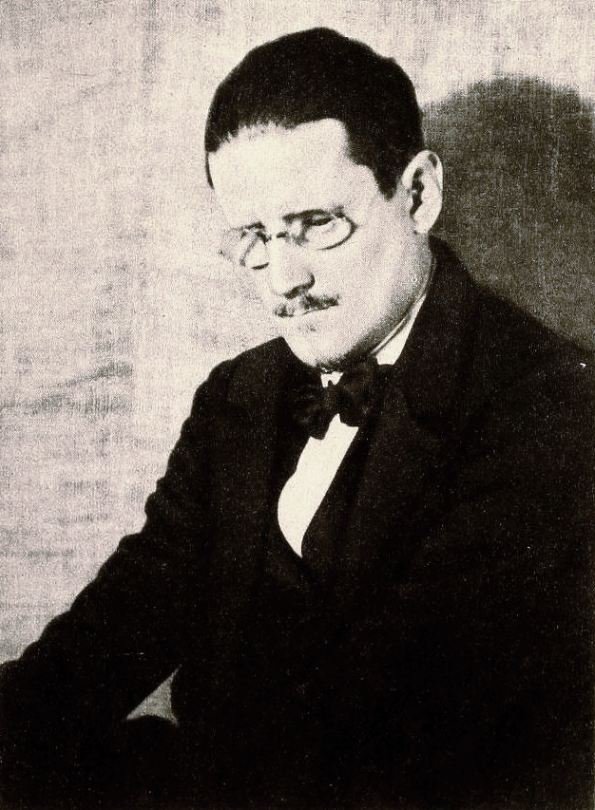
James Joyce

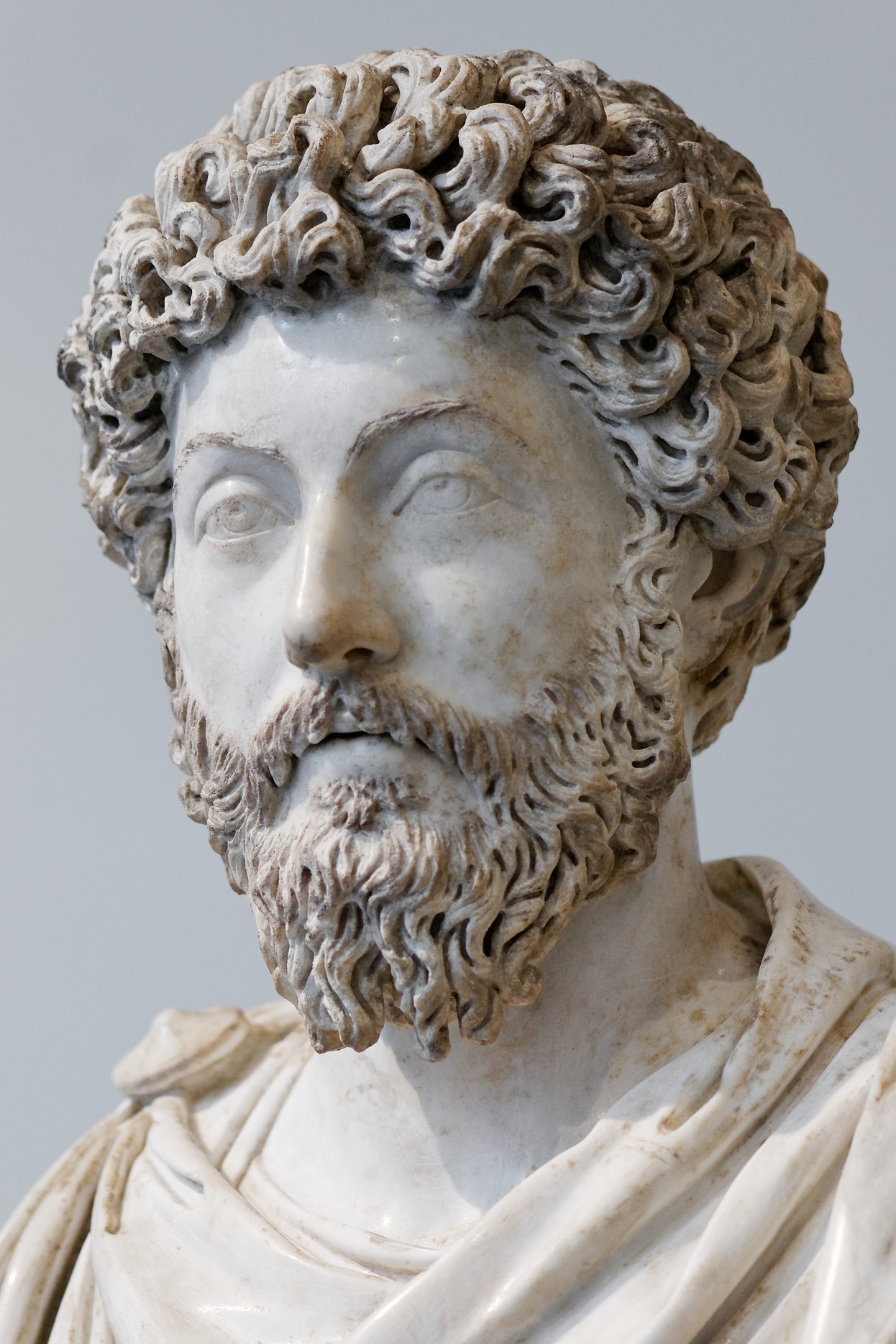
Marcus Aurelius

Marie Curie
Opposite Profile
Not a rival — a different profile shape worth a look.

Benjamin Franklin
Sources
- Maria Meneghini Callas (Q128297) -- verified live via the Wikidata API (2026-10-11): English label 'Maria Meneghini Callas', description 'American-Greek operatic soprano (1923-1977)', born 2 December 1923, died 16 September 1977, citizenship Greece and United States, Korean label present. Orientation only; not used as support for any row.
- Encyclopaedia Britannica, 'Maria Callas' biography entry -- CANONICAL SIGNIFICANCE SOURCE: American-born Greek soprano who revived classical coloratura roles and 19th-century bel canto works (Bellini, Donizetti) that had long been dropped from standard repertoires, tutored by conductor Tullio Serafin, with her success attributed in part to her sense of theatre and her 'scrupulously high artistic standards'; more than 40 roles and more than 20 complete operas recorded; final operatic performance as Tosca at Covent Garden and master classes at Juilliard. Only the career sections were used; the personal-life and vocal-decline sections were read but not used for any card or row. Read in full.
- Royal Ballet and Opera (Royal Opera House), 'Creative Spotlight: Maria Callas' -- institutional guide to her Covent Garden career: debut as Norma in 1952, later Aida, Il trovatore, La traviata, Medea and Tosca; her 1949 breakthrough in Venice when she stepped in as Elvira in I puritani while in rehearsal as Brunnhilde; the house's description of her commitment to her art and 'refusal to accept anything but the best'. Institutional page, admiring in tone; its off-stage section was not used. Read in full.
- MusicWeb International, review of 'Maria Callas: The Complete Studio Recordings 1949-1969' (December 2007) -- long critical essay on her recording career: Serafin as her guide and mentor who persuaded her to build her repertoire around bel canto when she seemed to be heading toward Wagner and heavier roles, her Venice 1949 switch from Brunnhilde to Elvira, producer Walter Legge's repertoire choices for the studio (including roles she never sang on stage) and her willingness to record what was proposed, and the conductors who prepared her roles at La Scala. Critic's judgments, partly speculative on Legge's motives, which were not used. Read in full.
- Anthony Tommasini, 'Giving Those Callas Bootleg Tapes a Road Test', The New York Times, 9 January 2003 (archived copy) -- music critic's article on EMI's release of live Callas recordings, with two work episodes: the 1958 Lisbon Traviata rehearsals where, reportedly, she refused conductor Franco Ghione's suggestion to ease the final high note because Verdi had marked it triple piano, and the 20 November 1957 Dallas rehearsal recording in which she and conductor Nicola Rescigno work through Martern aller Arten and she manages the long final phrases on one breath on the third try; also notes she had scant time to learn the role of Maddalena in the 1955 Andrea Chenier and sounded nervous. Critic's first-hand listening for the Dallas and Chenier points; the Lisbon episode is marked 'reportedly'. Read in full.
- The Juilliard School, 'Happy 100th Birthday, Maria Callas!' (Juilliard Journal, Juilliard Archives, 14 September 2023) -- archivist's account of her Juilliard master classes: she publicly auditioned students in May 1971, chose 25 singers from more than 300 applicants, and taught two six-week cycles (October 1971 to March 1972) in which the singers performed 75 scenes and arias. Institutional archive page; says nothing about the content of her teaching. Read in full.
- The New Criterion, 'Lessons from masters' -- essay on master classes that recounts, in one paragraph, a Callas master-class exchange in which she answered a student's 'it's a cry of despair' with 'it's a B flat'. One anecdote recounted by a music critic (not an eyewitness account), so used with low weight; the rest of the essay concerns other teachers. Read in full.
- Hampsong Foundation, 'Maria Callas: A Centenary Commemoration' (feature produced by Jon Tolansky with scholar Roger Pines and baritone Thomas Hampson) -- annotated track list with the presenters' notes: her Venice 1949 Elvira learned in a couple of days while performing Brunnhilde that week, and Pines's remark that she was supreme in her line-by-line response to the text, especially in Cherubini's Medea with Bernstein. Scholar and artist commentary (admiring); the audio itself was not heard, only the written notes. Read in full.
- NPR (Tom Huizenga), 'Maria Callas, The Legend Who Lived for Her Art' (16 September 2007) transcript -- feature on her recorded legacy in which critic John Steane says her records hold a fusion of singing and characterization, and soprano Aprile Millo compares listening to her to reading Shakespeare, describing how she brought drama to Norma, Tosca and Madama Butterfly. Admiring critics' and artists' views of the recordings; used only for the achievement cards. The private-life paragraph was not used. Read in full.
- Nationaal Archief (The Hague), Fotocollectie Anefo, photograph by Bert Verhoeff, 9 December 1973, series 'Maria Callas op Schiphol', bestanddeelnummer 926-8776 -- archive record and its Wikimedia Commons file page checked for the portrait's rights (CC0, rights holder Nationaal Archief). Not used for any scoring.