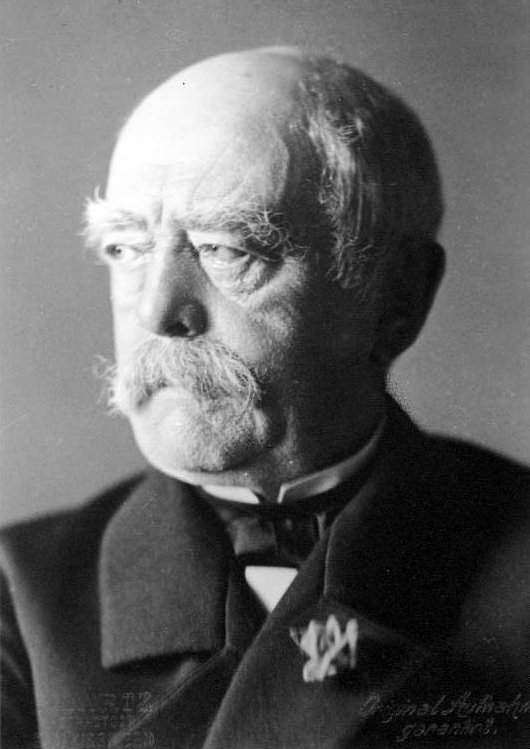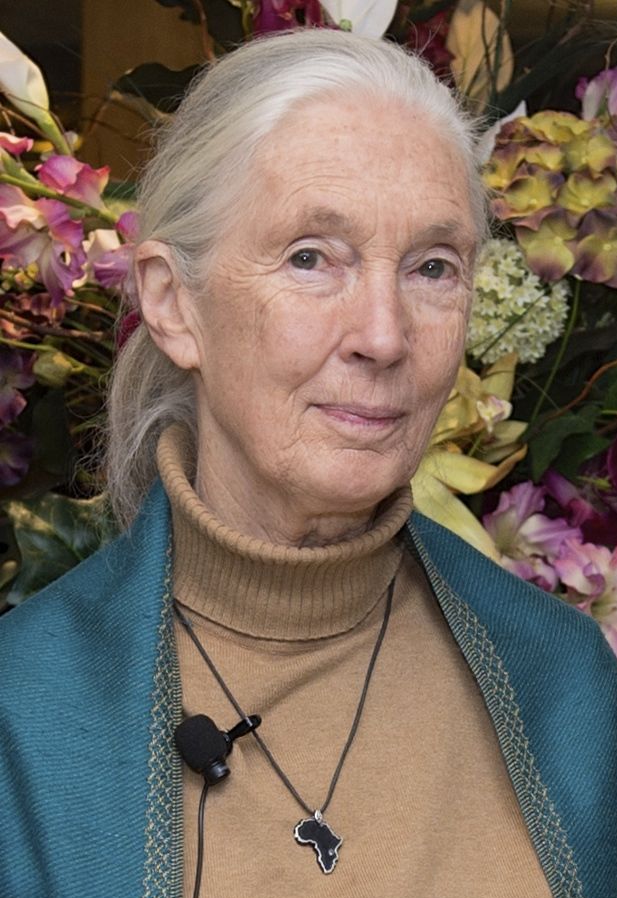
Jane Goodall
93% Profile Match
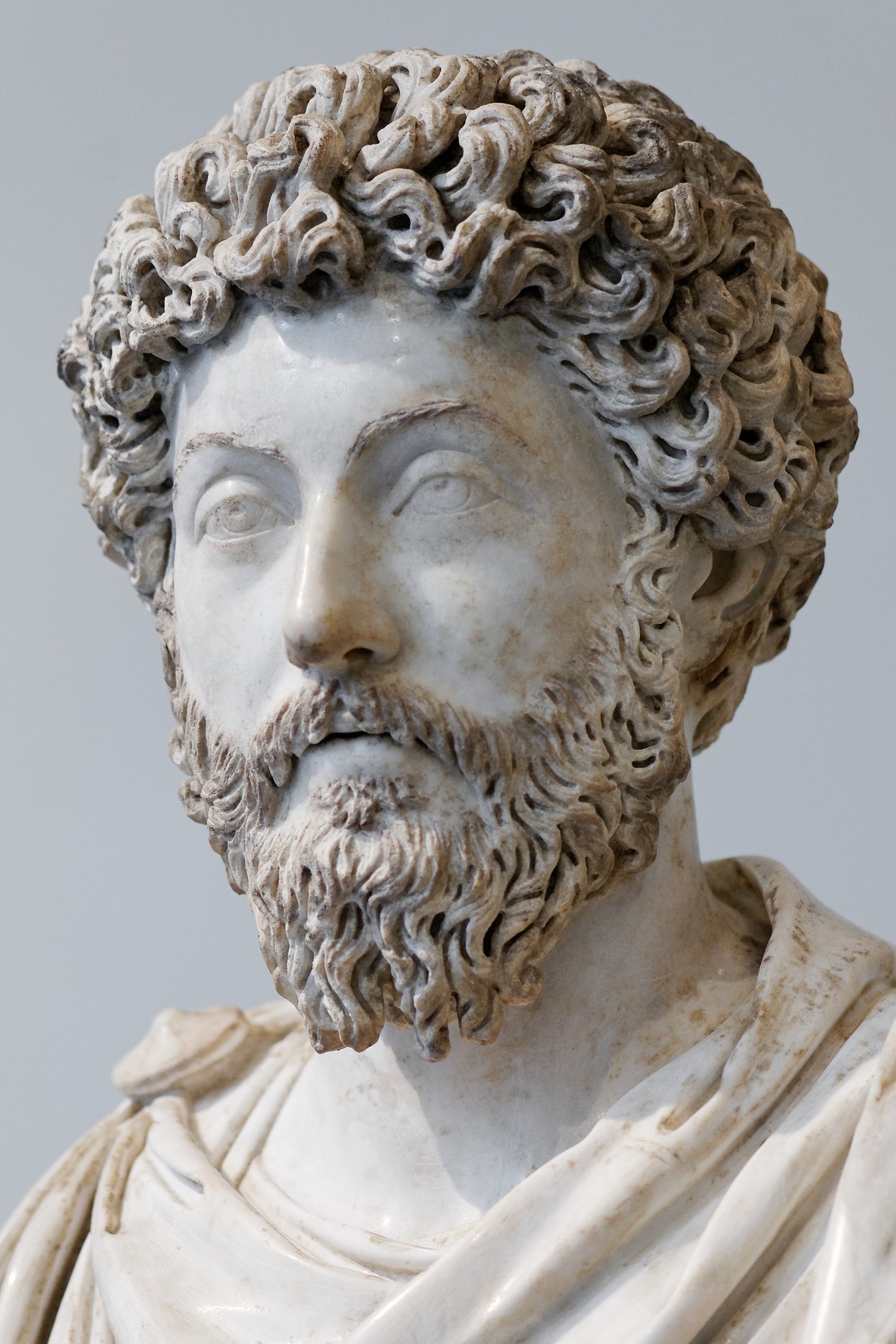
Marie-Lan Nguyen, 2011 — Musée du Louvre, MR 561 (Ma 1166), CC BY 2.5 · Wikimedia Commons (resized/recompressed derivative; see licenseUrl for the original) · CC BY 2.5
Meditations, his private philosophical journal, was composed largely during years of active campaigning on the Danube frontier during the Marcomannic Wars — a sustained personal practice maintained under real military pressure, never intended for publication.
Rather than ruling alone, he made the unprecedented choice to share the imperial throne with his adoptive brother Lucius Verus as co-emperor, an institutional arrangement Rome had not used before.
When his own general Avidius Cassius declared himself emperor, Marcus Aurelius marched east to confront the revolt directly — and, according to Cassius Dio and Historia Augusta, said he wished to spare Cassius's life and offer clemency rather than pursue vengeance once the revolt collapsed.
This is consistent with the profile's documented pattern of engaging conflict directly while avoiding escalation once a threat had passed — decisive but not vindictive. Conflict Tolerance
Book 1 of Meditations is a structured, specific catalog crediting named teachers — Junius Rusticus, Sextus, and others — for particular lessons learned, an unusually detailed self-authored record of his own intellectual formation.
Rather than direct the Marcomannic Wars from Rome, as many emperors of the era would have, he chose to personally command from the dangerous Danube frontier for years — a choice that likely contributed to his death near the front.
This sits alongside the profile's documented risk_tolerance: a sustained choice to accept personal danger at the front rather than direct the war from a place of safety. Risk Tolerance
People whose overall profiles resemble theirs.
Not a rival — a different profile shape worth a look.