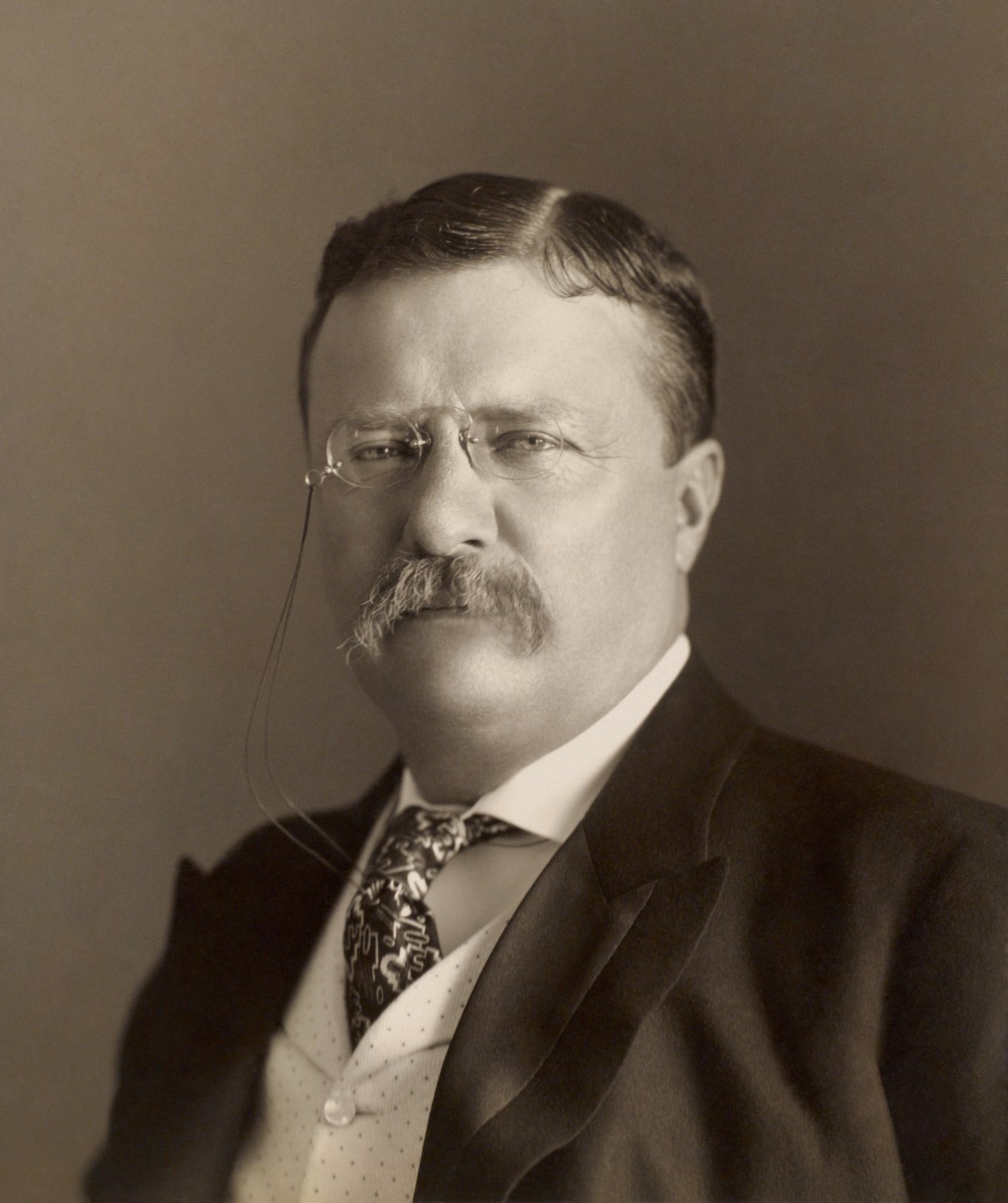
Alan Turing
94% Profile Match

Anonymous, c. 1580 — District Museum, Toruń · Wikimedia Commons · Public Domain (anonymous work, c. 1580)
1473 — Born in Toruń, in Royal Prussia.
1491–1503 — Studied at the University of Kraków, then law, medicine, and astronomy in Bologna, Padua, and Ferrara, earning a doctorate in canon law in 1503.
1503–c. 1510 — Returned to Poland to a career as a canon and administrator, eventually settling at Frombork around 1510.
c. 1514 — Completed the core mathematics of a Sun-centered model in a short manuscript, circulated only privately among a small circle rather than published.
1520–1521 — Personally organized the defense of Allenstein Castle during the Polish–Teutonic Knights conflict, alongside his clerical and astronomical work.
1543 — Allowed publication of De revolutionibus orbium coelestium in the final weeks of his life; its wider influence on astronomy unfolded mostly after his death.
In De revolutionibus orbium coelestium, Copernicus built a complete, internally consistent heliocentric alternative to the geocentric model that had stood for over a millennium, developing detailed mathematical and geometric argument for a Sun-centered solar system directly within the text itself.
Alongside his astronomical work, Copernicus wrote a treatise on currency debasement and personally presented monetary-reform proposals to the Diet of Graudenz in 1522 — a genuine second field of documented contribution, not incidental dabbling.
During the Polish–Teutonic Knights conflict of 1520–1521, Copernicus personally organized the defense of Allenstein Castle — a canon and astronomer taking direct, hands-on responsibility for a military defense well outside his scholarly and clerical duties, documented via the MacTutor History of Mathematics archive.
This documented episode, not his later astronomical reputation, is the concrete basis for the profile's proactive_agency score. Proactive Agency
Copernicus completed the core mathematics of the heliocentric model by around 1514 but did not allow publication for nearly three decades; Georg Joachim Rheticus, the mathematician who eventually helped secure its release, described in his own correspondence Copernicus's "prolonged reluctance to release his volume for publication" (Gingerich).
Persuaded at last by Rheticus, Copernicus allowed De revolutionibus to be published in 1543, in the final weeks of his life — a model that had existed only as private, decades-long refinement became, almost overnight, the text that would reshape the following century of astronomy, largely without its author present to defend or extend it further.
The decades-long gap between finishing the mathematics and allowing it into the world is consistent with the profile's dual-edged perfectionism score — the same standard that produced an unusually developed model also delayed its influence for a generation. Perfectionism
People whose overall profiles resemble theirs.


Not a rival — a different profile shape worth a look.