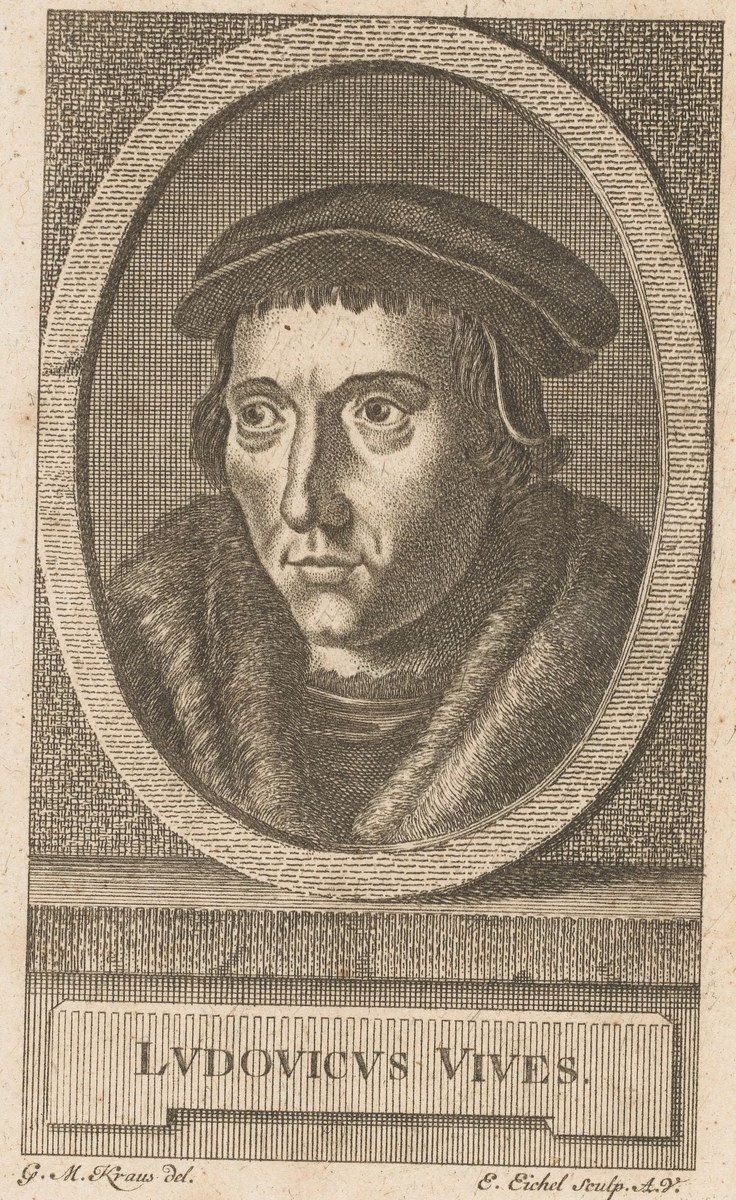
Emanuel Eichel after Georg Melchior Kraus, 'Portret van Juan Luis Vives', engraving, 1747-1782, Rijksmuseum, Amsterdam (RP-P-OB-115.961), public domain · Engraved portrait lettered 'LUDOVICUS VIVES.' by Emanuel Eichel (Augsburg) after a drawing by Georg Melchior Kraus, an eighteenth-century print made long after the sitter's death in 1540; held by the Rijksmuseum, Amsterdam (RP-P-OB-115.961). The museum scan (3,280 x 5,328 pixels) was cropped to the printed plate and downscaled once to 736 x 1,200 pixels; nothing was upscaled. Shown as a later print depiction, not as a documented sitting. · Public domain (Rijksmuseum Public Domain Mark; eighteenth-century print)
philosopher · Early Modern
Juan Luis Vives
1492–1540
Known For
Not yet included in personality matching — the documented evidence doesn't yet cover enough of the personality model. Everything else on this page is fully available.
Trait Constellation
Key Achievements
A leading northern humanist, he attacked scholastic logic in 1519 and in On the Disciplines (1531) set out a critique of contemporary education together with a programme for renewing it, favouring the vernacular, practical knowledge and the education of women.
In On Assistance to the Poor (1526), dedicated to the magistrates of Bruges, he set out a programme of organised public relief that included work training and schooling for poor children.
His On the Soul and Life (1538) examines the faculties of the soul and the emotions, and Britannica rests his claim to eminence in psychology on it; his works went through hundreds of editions in the century after his death.
Moments That Reveal Them
In 1519 he published In pseudodialecticos, a satirical attack on the scholastic logic he had studied at Paris, urging that logic follow ordinary language and serve the other arts; SEP also records a reading in which the work is itself a sophistical exercise.
This is consistent with a willingness to break publicly with the curriculum he had been trained in. Independent Thinking
In 1526 he published On Assistance to the Poor, a programme for organised public relief dedicated to the magistrates of Bruges; Hwang notes that Bruges did not reform its poor law until 1562 and that the work was harshly criticised after his death.
This is consistent with applying learning to a public problem rather than keeping it academic. Impact Motivation
Turning Points
After his years at the English court and Oxford ended in 1528 he settled again in Bruges, where, SEP says, the last twelve years of his life were his most productive, producing On Concord and Discord, On the Disciplines and On the Soul and Life.
This is consistent with continuing a large body of scholarly work after losing a prominent position. Persistence
Similar People
People whose overall profiles resemble theirs.


Benjamin Franklin

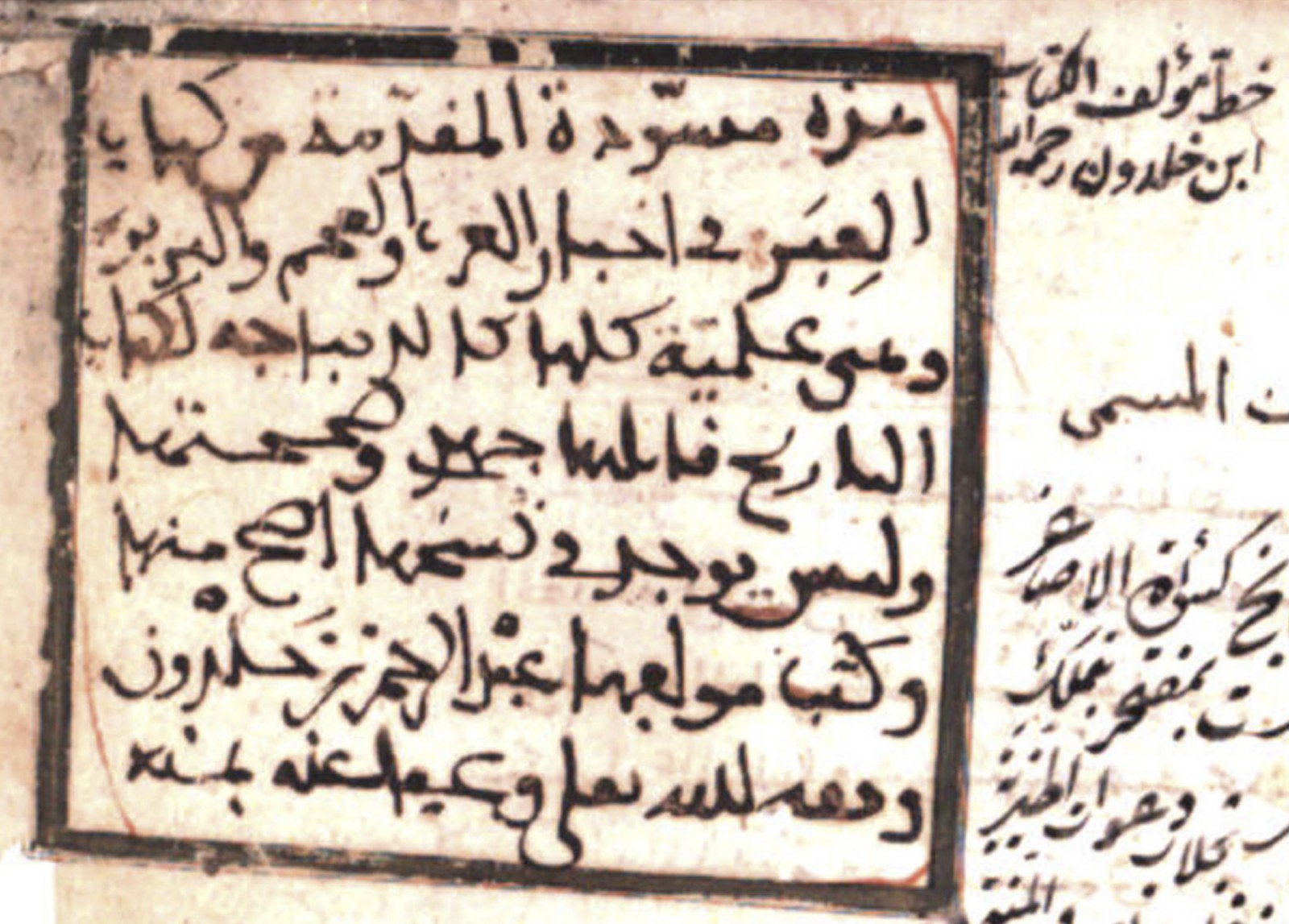
Ibn Khaldun

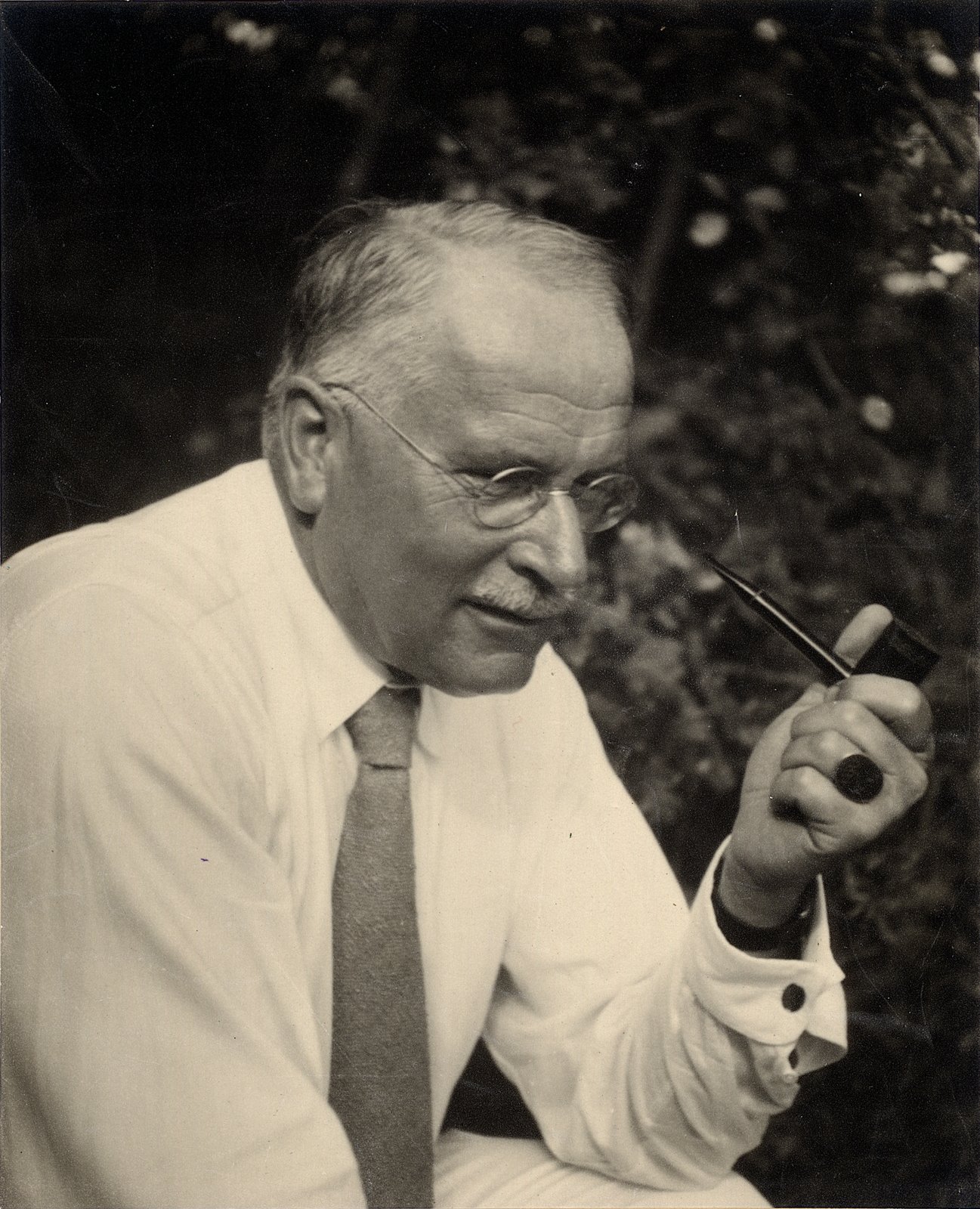
Carl Jung

Ludwig Wittgenstein

Alan Turing
Opposite Profile
Not a rival — a different profile shape worth a look.
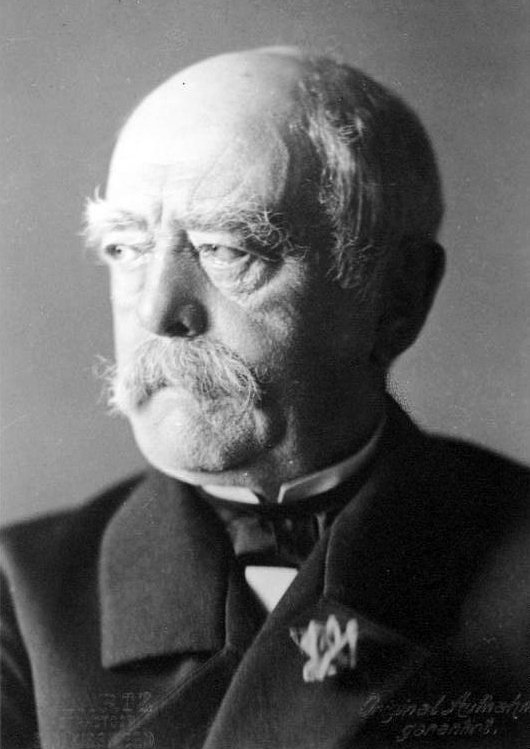
Otto von Bismarck
Sources
- Juan Luis Vives (Q316357), verified live via the Wikidata API (2026-11-06): label 'Juan Luis Vives', description 'Spanish philosopher', born 6 March 1492, died 6 May 1540, Korean label 후안 루이스 비베스. Orientation only; not used as support for any row.
- Stanford Encyclopedia of Philosophy, 'Juan Luis Vives' (read in full, about 6,500 words: life and main works, dialectic and language, epistemology, moral and social philosophy, psychology, influence). CANONICAL SIGNIFICANCE SOURCE: gives Vives's Paris and Louvain years, the 1519 attack on scholastic logic, the 1524 Education of a Christian Woman and Introduction to Wisdom, the 1526 On Assistance to the Poor, the 1531 On the Disciplines, the 1538 On the Soul and Life, the years in England and the hundreds of editions of his works; also records a contrary reading in which the anti-scholastic satire is itself a sophistical exercise (Perreiah) and corrects his birth year to 1493.
- Encyclopaedia Britannica, 'Juan Luis Vives' (public-web portion read, about 600 words; the rest is behind a paywall and was not opened). General-encyclopedia summary: student of Erasmus, opposed Scholasticism, De ratione studii puerilis and De disciplinis (vernacular in schools, academies, education of women, study of nature by induction) and De anima et vita as the basis of his claim to eminence in psychology.
- Encyclopaedia Britannica, eleventh edition (1911), 'Vives, Juan Luis' (read in full, about 350 words; Wikisource transcription). Older scholarly summary with a bibliography (Mayans 1782 edition of the works; Bonilla y San Martin 1903): De causis corruptarum artium ranked with Bacon's Organon, residence at Corpus Christi College Oxford, tutor to Princess Mary reported as 'said to have' held.
- Encyclopaedia Judaica, 'Vives, Juan Luis', by Richard H. Popkin (full entry read, about 500 words; Encyclopedia.com reproduction). Independent account from the history of religion and philosophy: Inquisition records on his family, his dismissal from Oxford, the work and the 1543 posthumous De veritate fidei. COUNTER-VOICE and caution: it portrays him as returning to Bruges 'bitter and poor' and offers a speculative reading of his religion as a 'Marrano compromise', which is the author's interpretation and is not used for scoring.
- College of St George, Windsor Castle, Chapter Library, 'Katherine of Aragon's Book' by Eleanor Cracknell (full item read, about 330 words). Archivist's note on a copy of Vives's De concordia et discordia in humano genere (Antwerp, 1529) owned by Katherine of Aragon: his dedication of the Augustine edition to Henry VIII, the Oxford readership, the treatise on women's education and the content of De concordia on peace.
- Majorca Daily Bulletin, 'Juan Luis Vives, a professor at Oxford' (history column, 30 September 2020; read in full, about 700 words). Press feature on the converso background in Valencia and the Inquisition, the Oxford post, the later condemnation of his writings by the Louvain theologians (1546), Pope Paul IV (1559) and the Spanish Index (1584), and a letter of his on poverty after the loss of royal patronage; the letter is self-report quoted by the columnist.
- Hwang Jung Uck, 'The Historical Meaning of De subventione pauperum of J. L. Vives' (Journal of the Church History Society in Korea, vol. 26, 2010, pp. 233-284), abstract and bibliographic record on KoreaScholar (abstract only read; the full text is access-restricted and was not opened). Scholarly reading of the 1526 treatise for the magistrates of Bruges as a secular, organised relief scheme in contrast to the open relief of Nuremberg, Strasbourg and Ypres; says the work was harshly criticised after his death and that Bruges reformed its poor law only in 1562.
- Rijksmuseum, Amsterdam, print 'Portret van Juan Luis Vives' (RP-P-OB-115.961), Emanuel Eichel after Georg Melchior Kraus, linked-art collection record read (Public Domain Mark on the image, CC0 on the data). Holder record for the portrait; also confirms the title on the object 'Ludovicus Vives'.