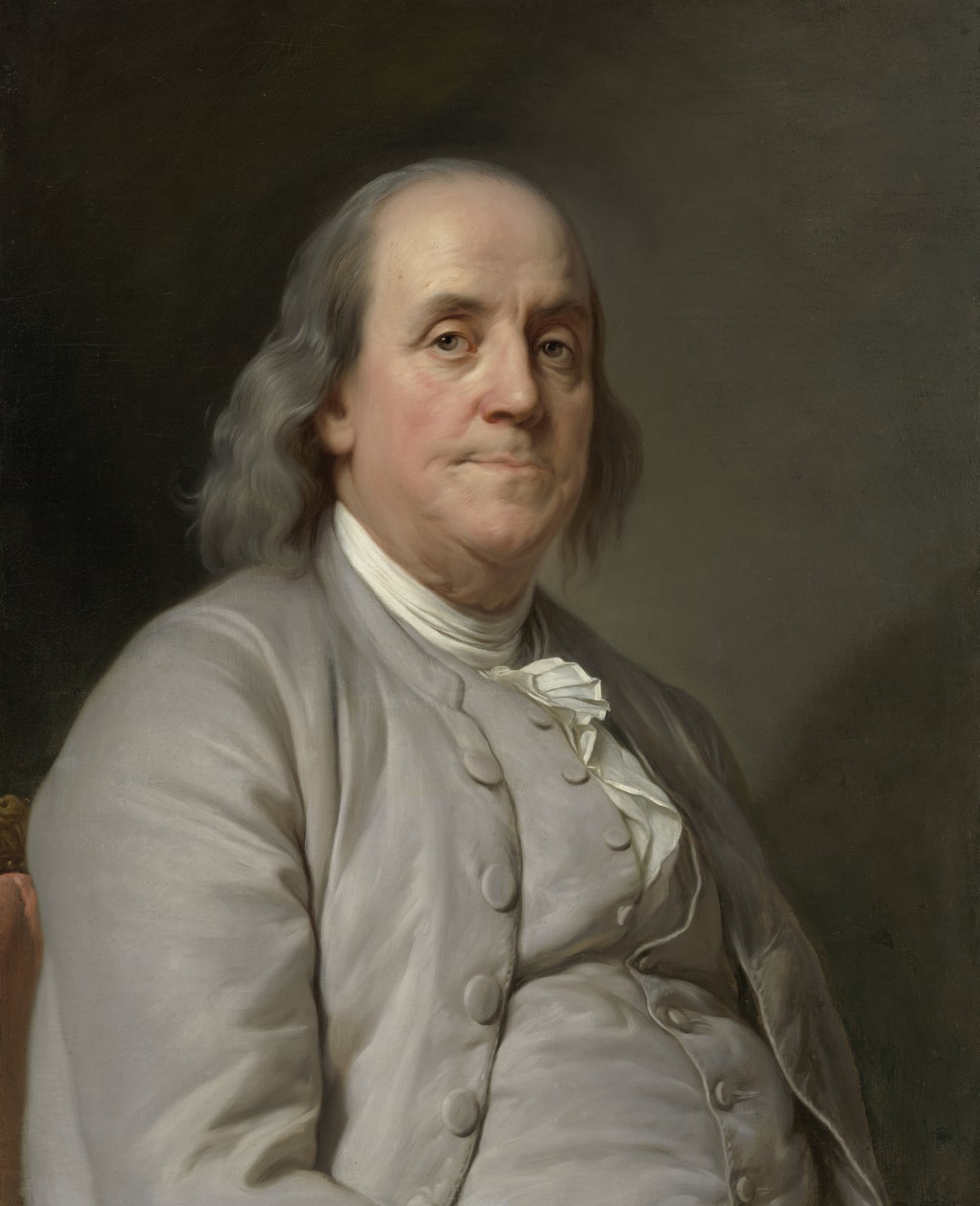
Benjamin Franklin
93% Profile Match
Editorial visual · Not a likeness
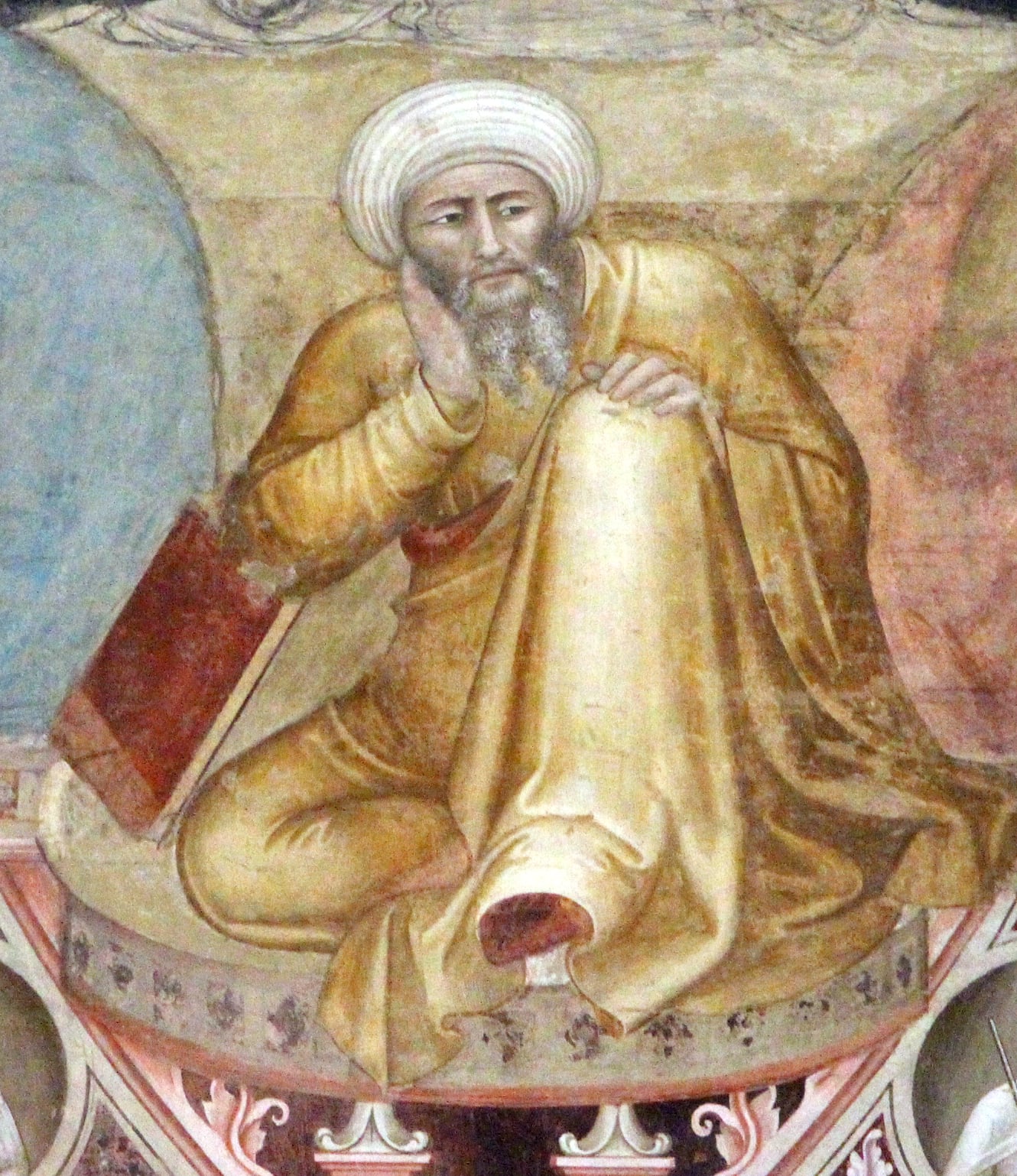
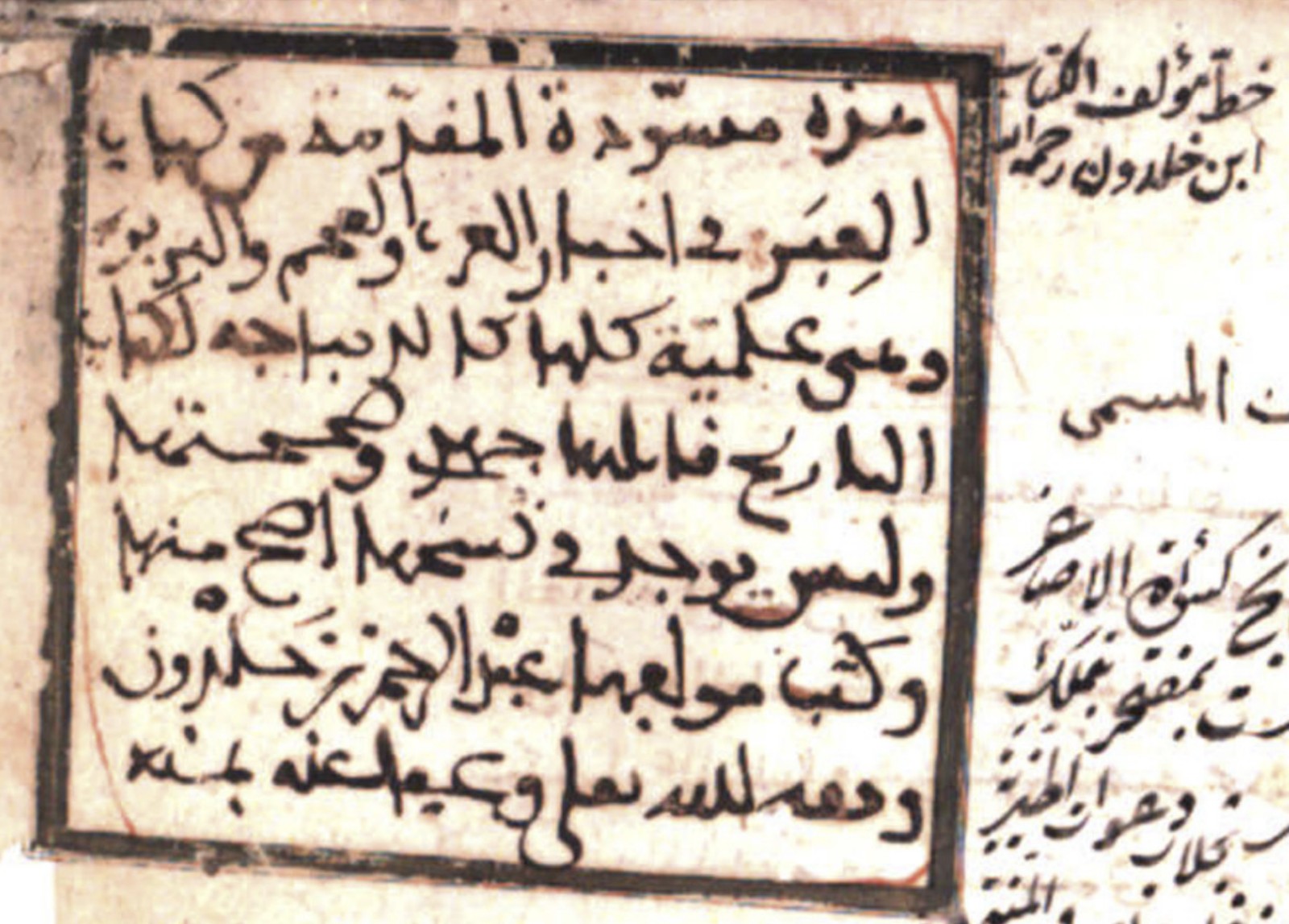
This is not a portrait. No authenticated likeness of Ibn Khaldun survives. This image shows folio 7a from a lifetime manuscript of his al-Muqaddima (MS Atıf Efendi 1936, Süleymaniye Library, Istanbul), which the manuscript's own annotation identifies as carrying his handwriting. · Wikimedia Commons (faithful reproduction of the historical manuscript, resized derivative) · Public Domain
1332 — Born in Tunis to an Andalusian family of scholars and officials.
1348–1349 — Lost both parents to the Black Death plague at age 17.
1352–1374 — Served in a series of administrative and diplomatic posts under rulers in Tunis, Fez, Granada, and Béjaïa, including a 22-month imprisonment in Fez.
1375–1378 — Withdrew to the fortress of Qal'at Ibn Salama and wrote the Muqaddimah.
1384–1406 — Settled in Cairo, where he was repeatedly appointed and dismissed as the city's Grand Qadi.
1401–1406 — Negotiated directly with Timur outside besieged Damascus in 1401, then died in Cairo in 1406, one month after his sixth appointment as qadi.
Wrote the Muqaddimah (1377), the methodological introduction to a planned universal history, developing the concept of asabiyyah — group solidarity — as a driver of dynasties' rise and eventual decline. The work is widely credited as a founding text of historiography, sociology, and economic thought.
Across a second career as a jurist in Cairo, was appointed Grand Qadi (chief judge) of the Maliki legal school six separate times between 1384 and his death in 1406 — repeatedly dismissed, and repeatedly reappointed, reflecting the Mamluk court's continued reliance on him as a legal authority even as his own attempts at judicial reform repeatedly put him at odds with the same court.
In 1401, while the Mongol conqueror Timur besieged Damascus, Ibn Khaldun was lowered by rope over the city walls to negotiate with him directly. According to his own autobiography, Timur questioned him in detail about the geography and politics of the Maghreb; Ibn Khaldun later wrote an extensive account of the meetings and prepared a separate report on Timur for the Marinid rulers of Fez.
In 1357, while serving the Marinid sultan in Fez, was imprisoned for 22 months following a political dispute — one of several imprisonments and abrupt dismissals across a career spent moving among rival courts in Tunis, Fez, Granada, and Béjaïa.
In 1375, after roughly two decades moving between rival North African and Andalusian courts, withdrew with his family to the remote fortress of Qal'at Ibn Salama for about three years to write, largely from memory rather than a working library. The Muqaddimah he completed there, not his preceding administrative career, became the basis of his lasting reputation.
This profile scores the underlying pattern of self-directed career moves as dual-edged, and this episode illustrates why: a deliberate, self-initiated retreat from the same cycle of patronage and political instability his own career had followed, which produced his most enduring work. Proactive Agency
The Muqaddimah's theoretical framework — group solidarity as the engine of dynastic rise and decline, and a cyclical account of how conquering groups assimilate and are in turn displaced — is now recognized as a founding contribution to sociology, historiography, and economic thought, still studied by historians of ideas centuries after a career spent for the most part as a working jurist and administrator rather than a full-time scholar.
People whose overall profiles resemble theirs.