Rosalind Franklin
93% Profile Match
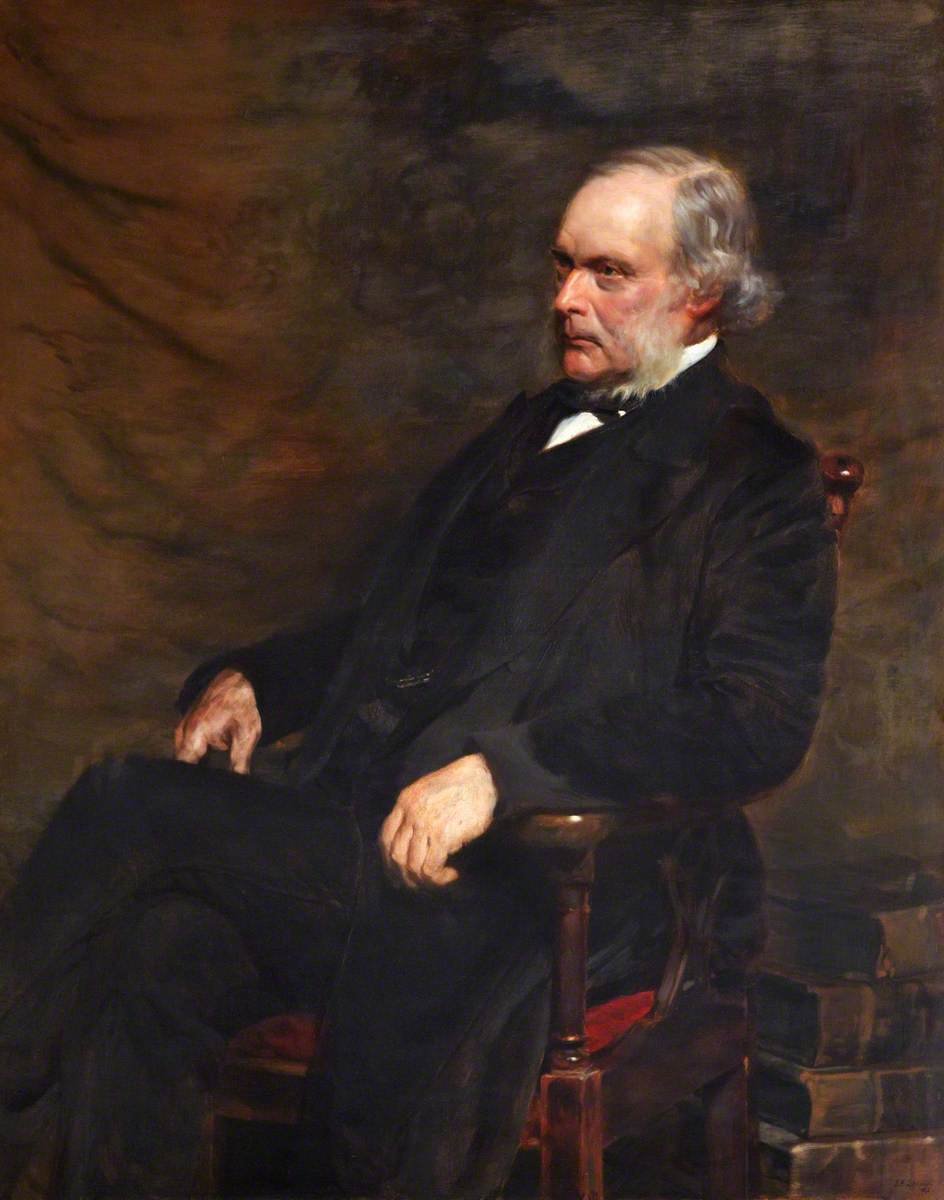
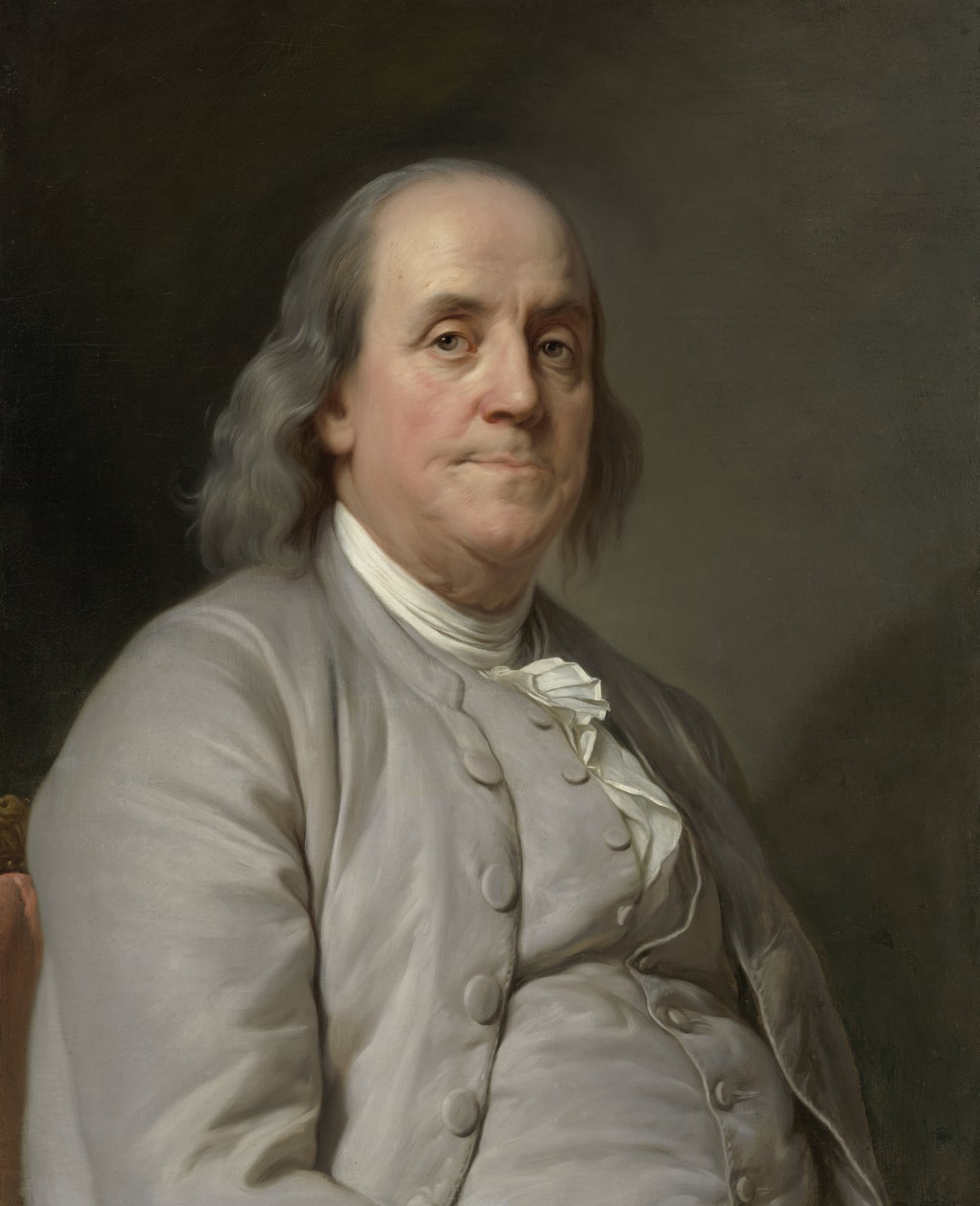
John Henry Lorimer (1856-1936), Sir Joseph Lister, 1895, oil on canvas, University of Edinburgh Art Collection (EU0038); photo credit University of Edinburgh via Art UK; public domain (painter died 1936; painted 1895); saved as JPEG q85 at the original 944x1200 size · University of Edinburgh Art Collection (accession EU0038), photograph via Art UK, via Wikimedia Commons · Public domain (painter d. 1936)
Lister's first two publications, in 1853, were microscopic studies of the iris and of the muscle of the skin, and between 1857 and 1859 he published eleven physiological papers on subjects including the nervous control of blood vessels, early inflammation and the nervous control of the gut. Howard reports that he was elected a Fellow of the Royal Society for this early experimental work.
The cases in Lister's first antiseptic article began with a patient admitted to Glasgow Royal Infirmary on 12 August 1865; he wrote that he had delayed publication to refine and validate his methods on more cases, and the method appeared in a series of Lancet articles in spring 1867. The reports narrate failures as well as successes, and over the next decade he described a further 36 cases in detail.
In 1870 Lister published a plan for treating wounded soldiers in the Franco-Prussian War, recommending that wounds be washed with a 1 in 20 carbolic acid solution, clots removed, bleeding vessels tied and dressings applied. Schlich reports that it was translated into German immediately but was not widely adopted in that war.
On 1 October 1877, opening his new chair at King's College London, Lister gave an inaugural lecture not on his clinical results but on fermentation in wine, blood and milk, using flasks, samples and hand-painted posters brought from his laboratory. Richardson reports that he poured out and drank a glass of milk from a set that had stayed uncurdled, and that part of the audience grew restless.
Bringing laboratory work into a lecture for a clinical audience is consistent with the profile's curiosity score; Richardson reads the choice as a deliberate strategy to make his new colleagues receptive to germ theory, which is her interpretation of his motive, not an aim Lister is quoted as stating. Curiosity
At the International Medical Congress in London in August 1881, Lister said he did not yet dare to abandon the carbolic spray, but that if further investigation showed atmospheric contamination could be disregarded, no one would say 'Fort mit dem Spray' with more joy than himself. He stopped using it in 1887, and at the Berlin congress in 1890 he said he felt ashamed to have recommended it for destroying microbes in the air.
Stating in advance what evidence would lead him to drop the spray, and later conceding the error in public, is consistent with the profile's belief-updating score; however, Schlich notes that a German surgeon had already published a paper titled 'Fort mit dem Spray' in 1880, so the change was not early. Belief Updating
In 1877, at the age of 50, Lister left Edinburgh, after more than two decades in Scotland, to take up a new chair of clinical surgery at King's College London, closer to his own London roots. Richardson notes that some of his younger followers saw the move as a crusade to persuade London's surgical establishment to adopt antisepsis and that some London surgeons were hostile; the sources used here do not record Lister's own reasons.
Taking his method to a capital where some surgeons were hostile is consistent with the profile's persistence score; how he weighed the move is not documented in these sources. Persistence
People whose overall profiles resemble theirs.


Not a rival — a different profile shape worth a look.
