Yayoi Kusama
93% Profile Match
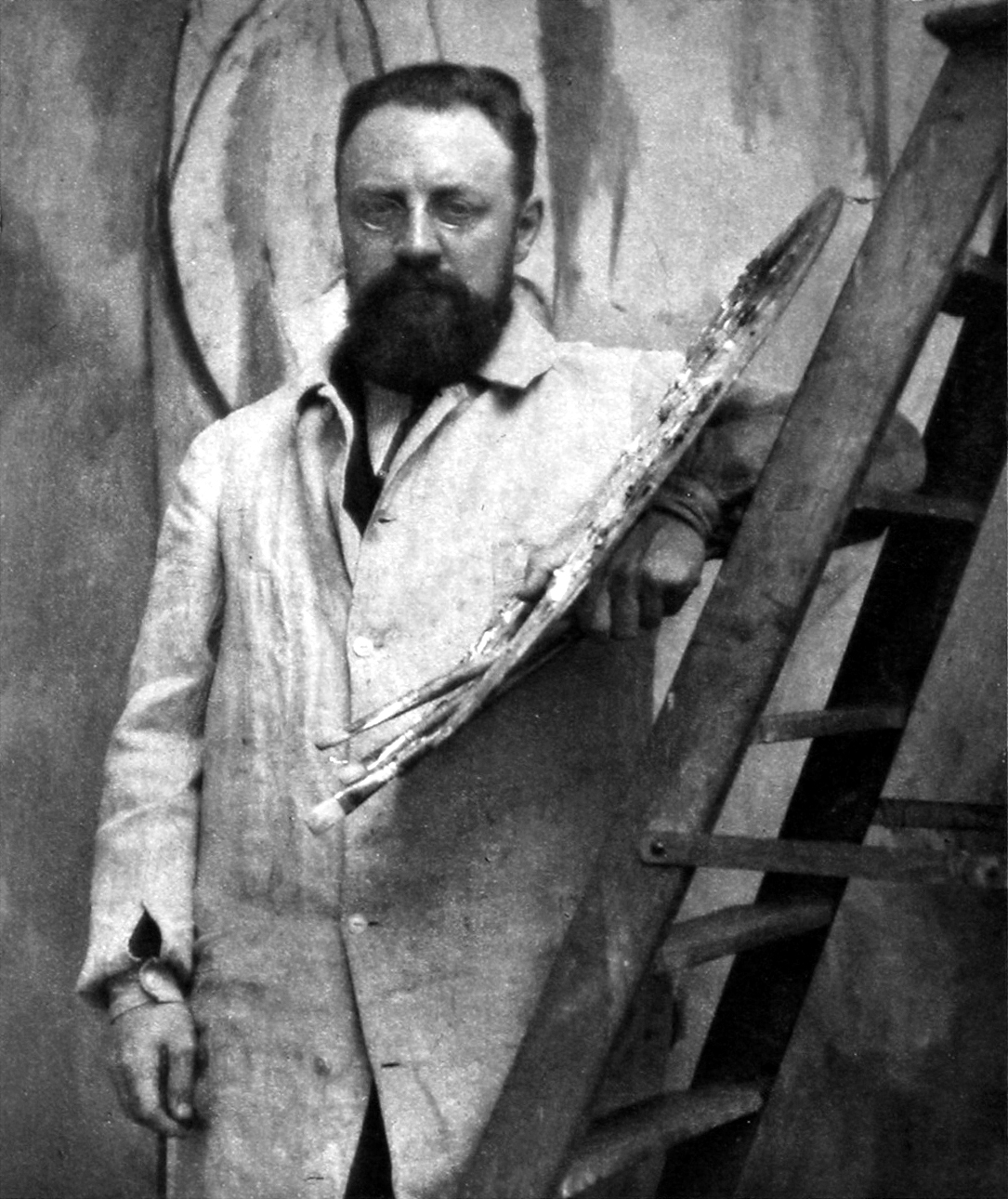
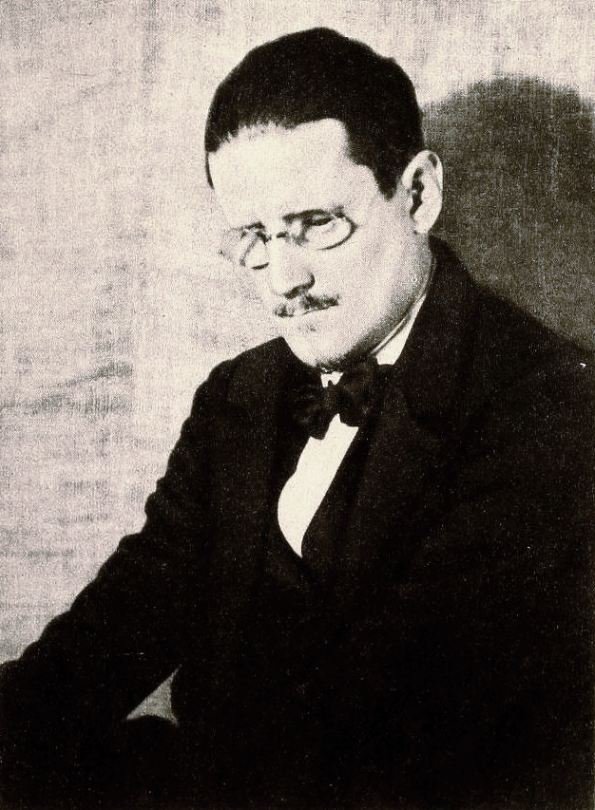
Alvin Langdon Coburn, 1913 (published in Men of Mark, 1913) · Alvin Langdon Coburn, 'Henri Matisse, Paris, May 13th, 1913', photogravure in Men of Mark (London and New York, 1913), via the New York Public Library Digital Gallery (image 301435 / id 483434) and Wikimedia Commons · Public domain (published in the United States in 1913; Coburn died 1966, so the US public-domain basis is publication before 1931)
painter · 20th Century
1869–1954
Not yet included in personality matching — the documented evidence doesn't yet cover enough of the personality model. Everything else on this page is fully available.
At the 1905 Salon d'Automne in Paris, Matisse showed work from a summer at Collioure with André Derain, painted in bold, non-naturalistic colour. Tate says the critic Louis Vauxcelles gave the group its name, les fauves ('the wild beasts'), on seeing the exhibition. Stein's memoir says his Woman with a Hat, a portrait of his wife Amélie, was derided by the public and bought by Leo and Gertrude Stein. In 1906 he completed Joy of Life (Le Bonheur de vivre), which the MoMA catalogue treats as the start of the grand decorative style that matured in 1909-1910; the Barnes Foundation later acquired it from the Steins.
In spring 1909 the Russian collector Sergei Shchukin commissioned decorative panels for the stairway of his Moscow house, and after correspondence they settled on two subjects, Dance and Music; the Art Institute of Chicago says Matisse bought a prefabricated studio at Issy-les-Moulineaux with the funds from the commission, and Music, dated 1910, is now in the Hermitage. In 1930 Albert Barnes commissioned his first major mural, The Dance, for the main gallery of the Barnes Foundation. Perl reports that after more than a year's work a miscalculation of the size of the space forced Matisse to start again, so that there are two versions, and that he worked out the composition with cut and manipulated sheets of painted paper.
Jazz, published in Paris by Tériade in 1947, has twenty plates made from cut and pasted sheets of painted paper, each preceded by Matisse's own handwritten text; the MoMA catalogue dates the designs to 1943-1944 and calls it his first major cut-out project. The same catalogue says that by 1950-1952 cut paper had become his sole medium for major work, after his last sculpture in 1950 and last painting in 1951. Tate's 2014 exhibition showed 120 works made between 1936 and 1954, including The Snail (1953).
From 1948 to 1951 Matisse designed the Chapelle du Rosaire for the Dominican nuns of Vence: the building plans, yellow, green and blue stained-glass windows, three large line drawings on white ceramic tile (Saint Dominic, the Virgin and Child, and the Stations of the Cross), and the furnishings, objects and vestments. Vence records that the first stone was laid on 11 December 1949 and the chapel consecrated on 25 June 1951, with a text from Matisse read at the ceremony calling it, despite its imperfections, his masterpiece. The MoMA catalogue adds that he designed six chasubles in the liturgical colours as the last items for the chapel.
When Jazz was published in 1947, Matisse called the book 'absolutely a failure', since in print the cut-paper compositions looked like jigsaw puzzles rather than the finished originals. Two months later he wrote that for anyone who had not seen the originals what the book itself gave was what counted, citing what he had heard of its impact on painters.
Calling the finished book a failure and then re-weighing it within two months, after hearing how painters were using it, is consistent with belief updating; the account comes from the MoMA catalogue's quotations of his own letters. Belief Updating
On 19 July 1916 Matisse wrote to Charles Camoin that after a month on his 'picture of Morocco', later titled The Moroccans, it had totally unsettled his mind: 'I may not be in the trenches, but I am in a front line of my own making.' The Art Institute of Chicago says that in 1916 he also took up Back, Bathers by a River and Jeannette again, building on his earlier scraping and incising while adding new material.
Returning to long-running pictures and keeping at a demanding canvas while describing it as a struggle is consistent with persistence; the account rests on his letter as quoted by MoMA and on the Art Institute's curatorial summary. Persistence
On returning from his second Moroccan trip in 1913, Matisse abruptly changed direction, pursuing formal structure over the colour that had marked his earlier work. The Art Institute of Chicago says he completed only three paintings between May and December of that year, kept working on earlier projects such as Bathers by a River and Back, and revived printmaking in the autumn. In 1917 he began to shift away from this experimental mode and settled in Nice at the end of that year.
Dropping a method that had made his name to try a different one, at the cost of output, is consistent with experimentation; the account comes from the Art Institute's curatorial pages, which quote his own letters. Experimentation
People whose overall profiles resemble theirs.
Not a rival — a different profile shape worth a look.