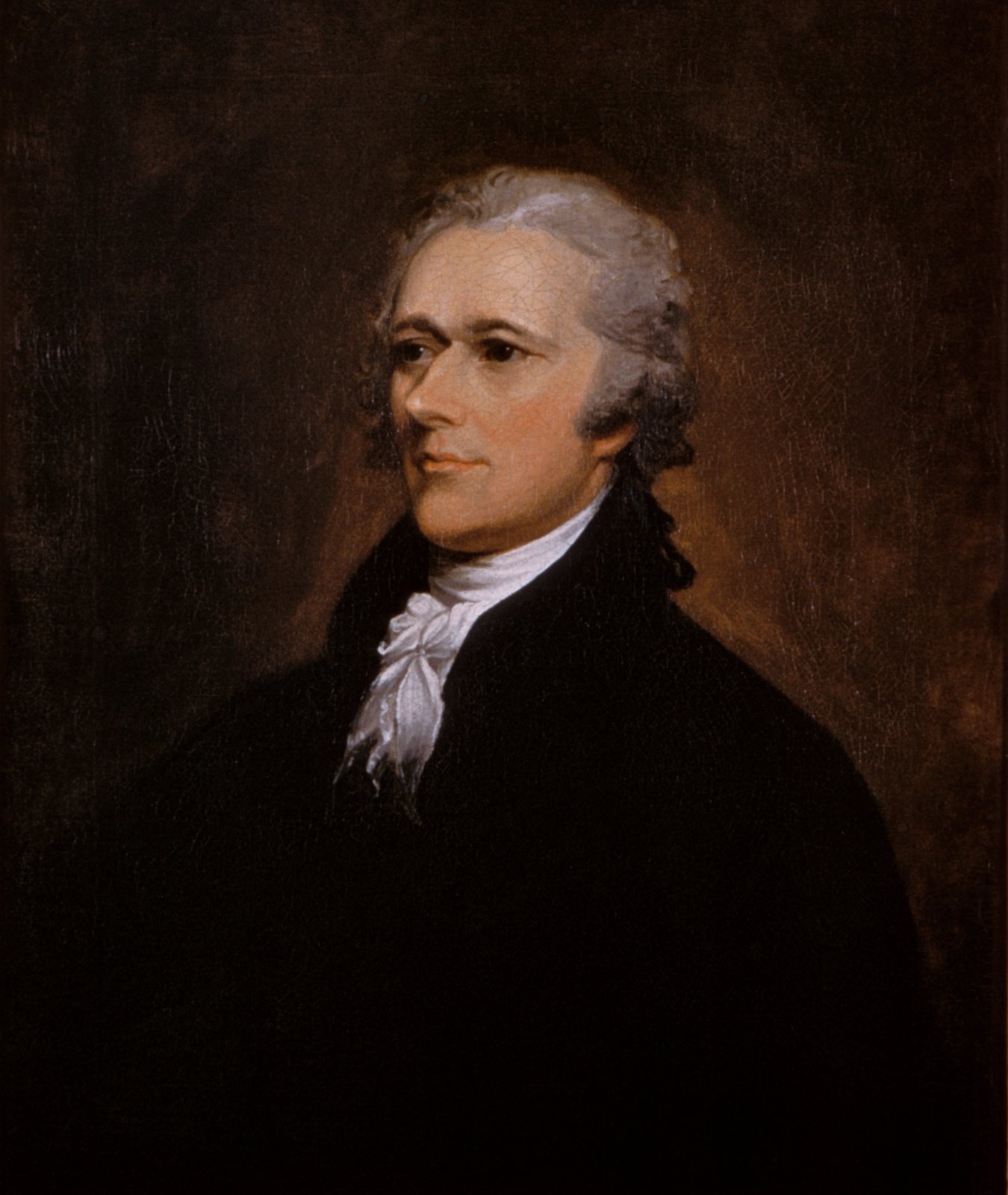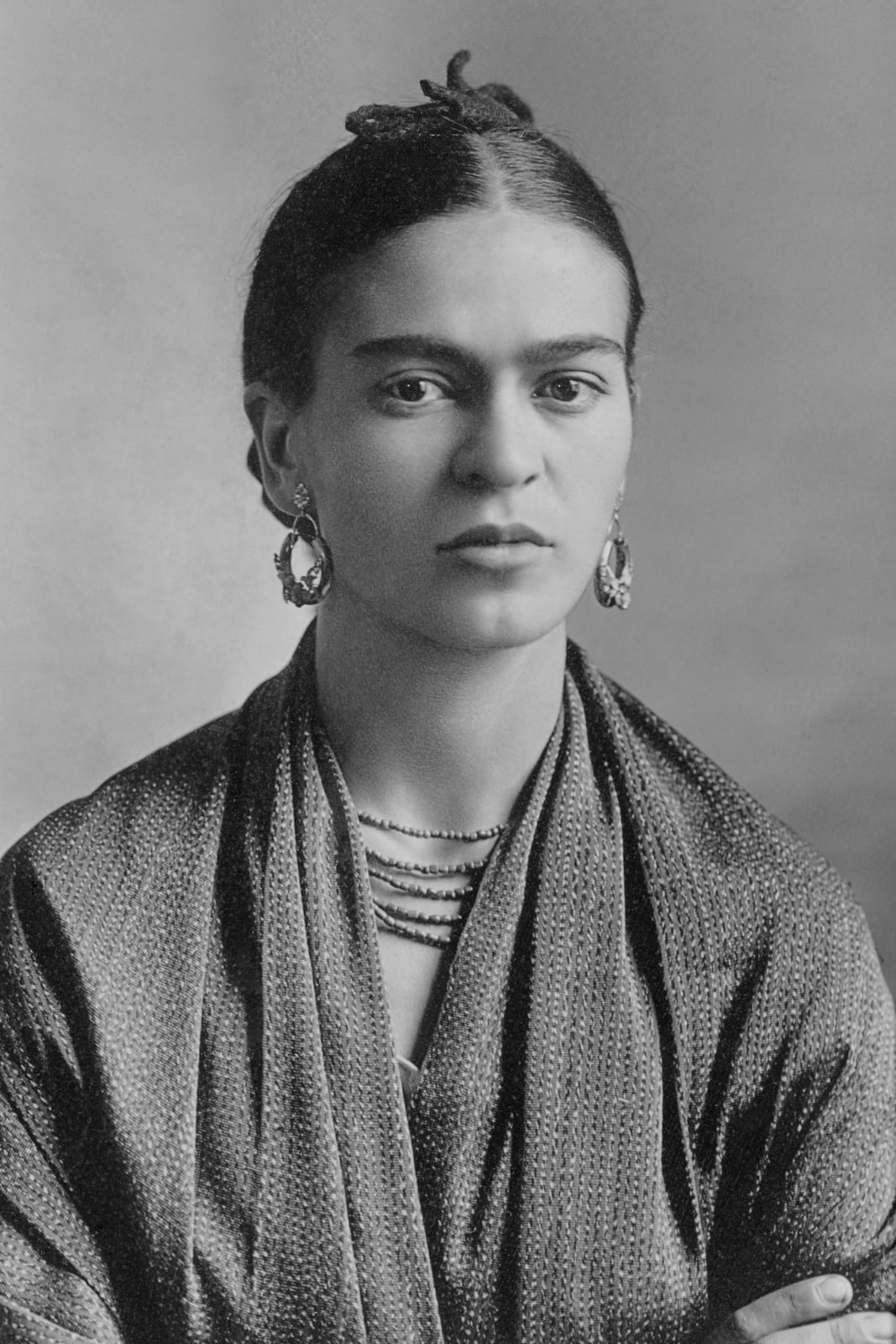
Frida Kahlo
95% Profile Match
fashion designer · 20th Century
1883–1971
1883 — Born in Saumur, France; after her mother's death, entered the Aubazine orphanage at 11, where she learned to sew.
1910–1913 — Opened a millinery boutique in Paris in 1910, followed by a Deauville shop in 1913 financed by her then-lover, Arthur "Boy" Capel.
1921 — Introduced Chanel No. 5.
1939 — Closed her fashion house at the outbreak of World War II.
1954 — Returned to fashion at 70, financed again by Pierre Wertheimer.
1971 — Died in Paris.
Founded her fashion house with a millinery boutique in Paris in 1910, expanding it into a couture, jewelry, handbag, and fragrance business that employed 4,000 people by 1935; her 1921 perfume, Chanel No. 5, became one of the best-known fragrances in the world.
Introduced or popularized design elements that reshaped mainstream women's fashion, including jersey as a couture fabric, the 1926 "little black dress," the tailored 1923 Chanel suit designed for freedom of movement rather than display, and the 1955 quilted 2.55 handbag.
After her mother's death, Chanel entered the Aubazine orphanage at age 11, where she learned to sew — the skill that eventually launched her career; she later worked as a seamstress and a cabaret singer in Moulins, where she acquired the nickname "Coco."
In 1913, with financial backing from her lover Arthur "Boy" Capel, Chanel opened a boutique in Deauville selling casual clothing made from jersey and tricot — fabrics until then used mainly for undergarments and workwear. The business succeeded quickly enough that she repaid Capel's investment by 1916.
This matches the profile's opportunity_sensing score: recognizing a shift toward practical, comfortable clothing for women, and an available cheap material suited to it, ahead of the mainstream fashion houses of the time. Opportunity Sensing
Chanel closed her fashion house at the outbreak of World War II in 1939, putting roughly 4,000 employees out of work, and did not return to design for fifteen years. In 1954, at 70, financed again by Pierre Wertheimer, she reopened it to an initially skeptical American and British press; a March 1954 Vogue feature on her new suit reversed that reception, and orders poured in from the United States, restoring the house's standing.
During the German occupation of Paris, Chanel resided at the Hôtel Ritz — also German military headquarters — and began a relationship with Baron Hans Günther von Dincklage, a German diplomat with intelligence ties. She separately petitioned German officials to gain sole control of Parfums Chanel by invoking Aryan property law against her Jewish business partners, the Wertheimer family, who had preemptively transferred nominal ownership to a non-Jewish associate. Historian Hal Vaughan's research into declassified French intelligence files found her listed under an agent number and described a wartime mission, later called "Operation Modellhut," to carry a German peace feeler to Winston Churchill — a mission that collapsed when her own intermediary denounced her to British intelligence. What is documented: the Ritz residence, the Dincklage relationship, and the attempt on the Wertheimers' ownership. What remains disputed among historians is how far her active participation in German intelligence work went, versus a wartime relationship of convenience; French Nazi-hunter and historian Serge Klarsfeld has cautioned that "having a spy number doesn't necessarily mean she was personally involved." She was interrogated after Paris's 1944 liberation but never charged, then lived in Switzerland for several years before her 1954 return to Paris.
Chanel's move away from corsetry toward comfortable, practical clothing reshaped what mainstream Western fashion considered elegant for women, and elements she introduced or popularized — jersey as a couture fabric, the tailored suit, costume jewelry, the quilted shoulder bag — remain in wide use in fashion design today. Time magazine later named her the only fashion designer among the 100 most influential people of the 20th century, and the company she founded remains one of the world's most valuable luxury houses. Her own wartime conduct, documented above, complicates any account of her legacy that treats it as purely a design story.
People whose overall profiles resemble theirs.
Not a rival — a different profile shape worth a look.