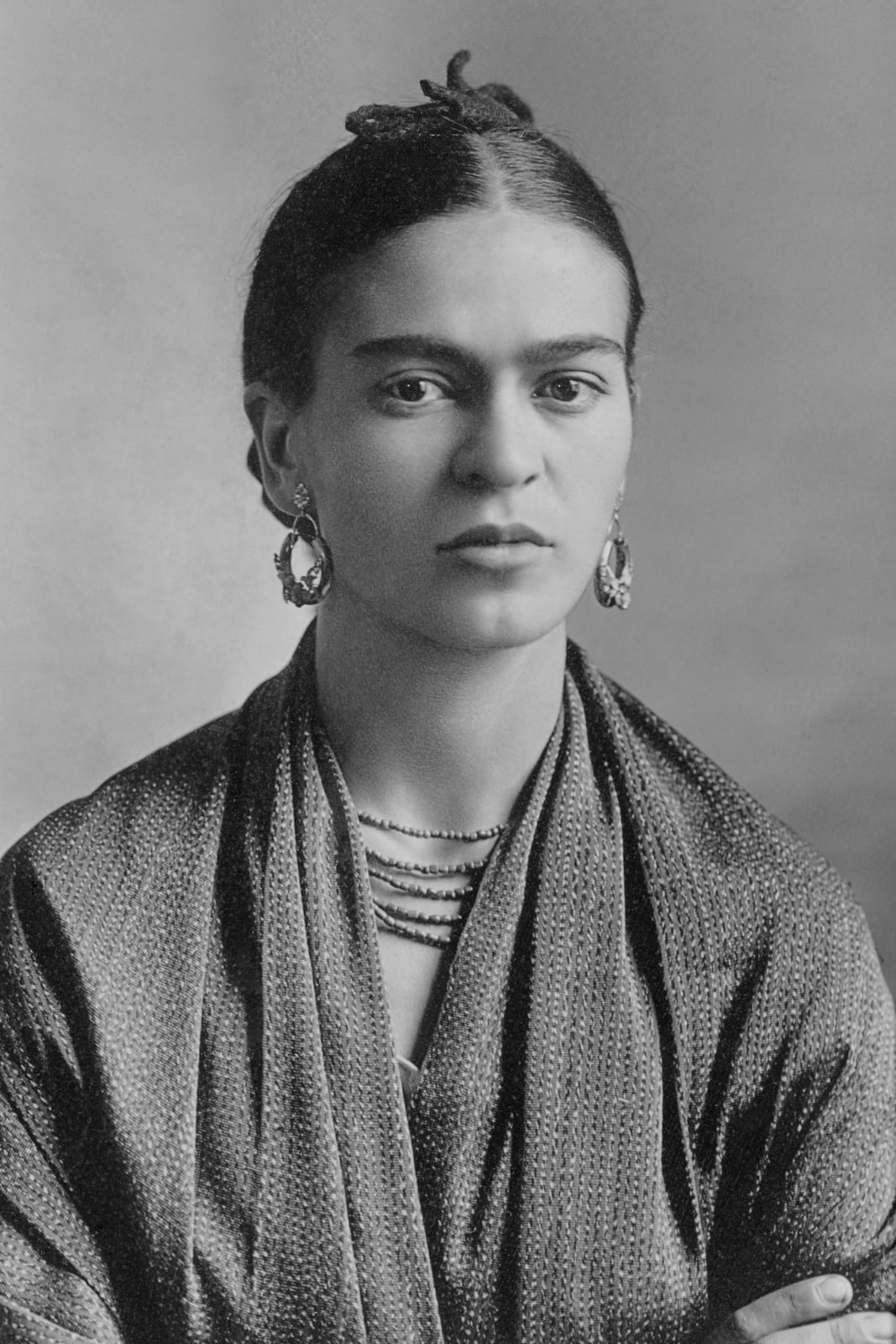
Frida Kahlo
90% Profile Match

Carl Van Vechten, 1950 · Library of Congress, Van Vechten Collection · No known copyright restrictions (restrictions expired 1986)
Her radically abstract compositions of 1915-1916 are recognized as a defining, original contribution to American modernism, produced early in her career before she developed the distinct visual vocabulary of her later New Mexico work.
After losing the ability to paint unassisted oils in 1972 due to progressive macular degeneration, continued working in pencil and charcoal for over a decade, then learned an entirely new medium, clay and sculpture, from an assistant.
In 1922, publicly and directly rejected critics who portrayed her work through sexualized, mystifying readings of her as an "unearthly" creature -- a stance she sustained against a persistent critical framing across her career.
Directly and publicly pushing back on this critical framing, repeatedly across her career, is the basis for the profile's conflict_tolerance score. Conflict Tolerance
Repeatedly, across two decades (1929-1946), chose to spend her summers working independently in New Mexico, documented as often against her husband Alfred Stieglitz's wishes, then permanently relocated there after his death rather than remaining in New York.
Sustaining this choice over two decades, then making it permanent, is the basis for the profile's autonomy_need score. Need for Autonomy
People whose overall profiles resemble theirs.