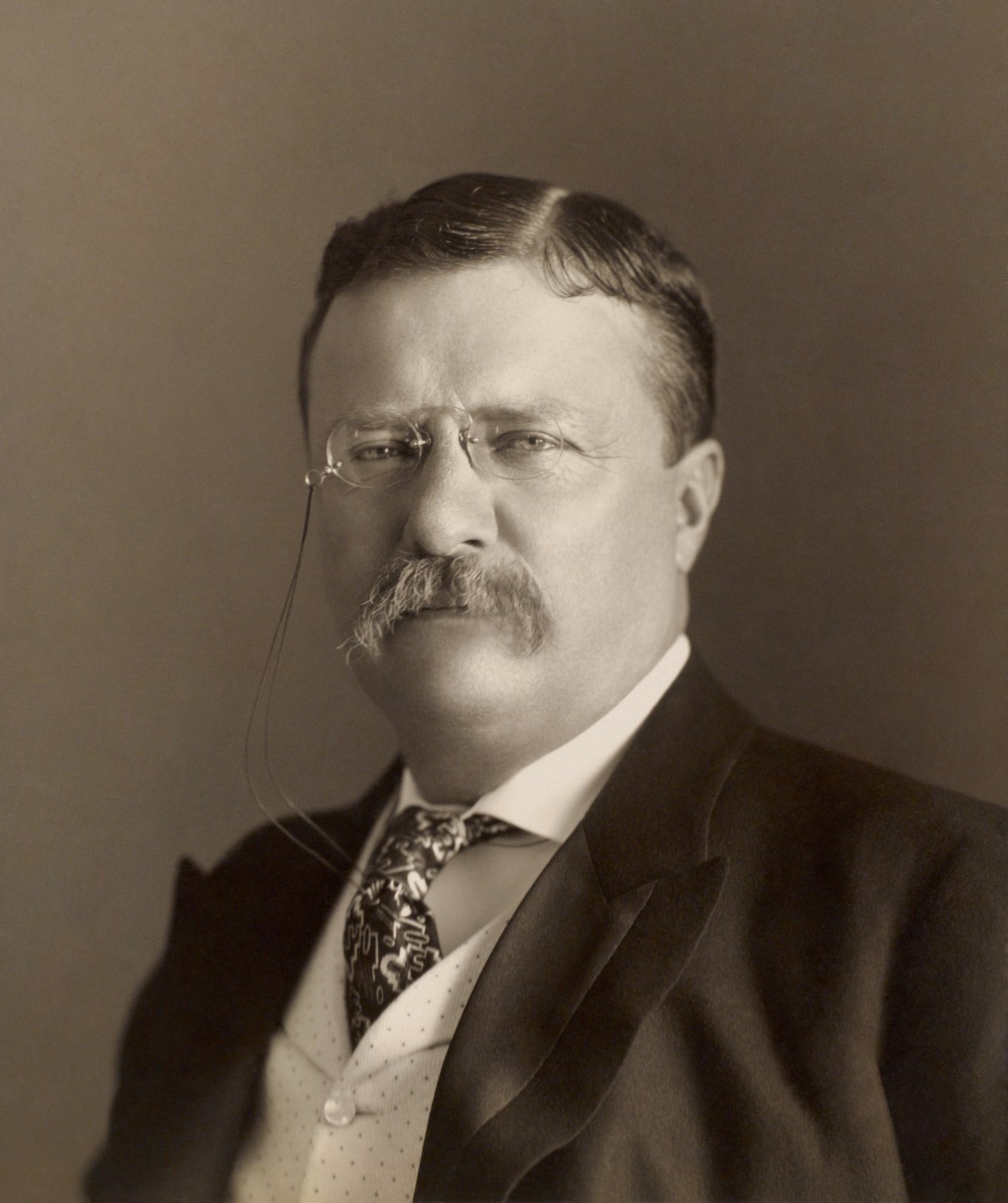
Ada Lovelace
94% Profile Match

Photographer unknown, before 1910 · Wikimedia Commons · Public Domain (published before 1931)
1882 — Born.
1907 — Earned her doctorate in mathematics at Erlangen, one of few women in Germany to do so.
1915 — Proved Noether's theorem, linking every differentiable symmetry to a conservation law.
1915–1919 — Lectured at Göttingen under David Hilbert's name, unpaid and without an official position, until her own habilitation was approved.
1933 — Dismissed under Nazi racial laws; fled to teach at Bryn Mawr College in the US.
1935 — Died.
Noether's theorem, proved in 1915, established that every differentiable symmetry of a physical system corresponds to a conservation law — a foundational result still in standard use across theoretical physics and mathematics.
She developed the foundational abstract-algebra concepts now called Noetherian rings, restructuring how the field approached its core objects around general structural properties rather than case-by-case computation.
She sustained roughly three decades of prolific mathematical output at Göttingen despite working for much of that career without a formal academic appointment or a salary commensurate with her male colleagues.
For years, formally barred from holding a lecturing position at Göttingen because she was a woman, she lectured under the university's official listing of David Hilbert's name instead — a specific, documented institutional workaround, not simply being blocked.
The barrier itself never moved; what changed is that she found a way to keep teaching and researching around it rather than through it — a fairly direct read on the profile's resourcefulness score. Resourcefulness
At Göttingen she informally led a lively circle of students who became known as the 'Noether boys,' working through mathematics with them in open, engaged discussion rather than through formal lecture alone.
In 1933, dismissed from her position under new Nazi racial laws, Noether fled Germany and rebuilt her career at Bryn Mawr College in the United States, teaching and continuing her research there until her death two years later.
The profile's proactive_agency score is worth reading carefully here: leaving was not itself a choice under the actual circumstances, but where and how quickly she rebuilt a working research career afterward was. Proactive Agency
People whose overall profiles resemble theirs.


Not a rival — a different profile shape worth a look.