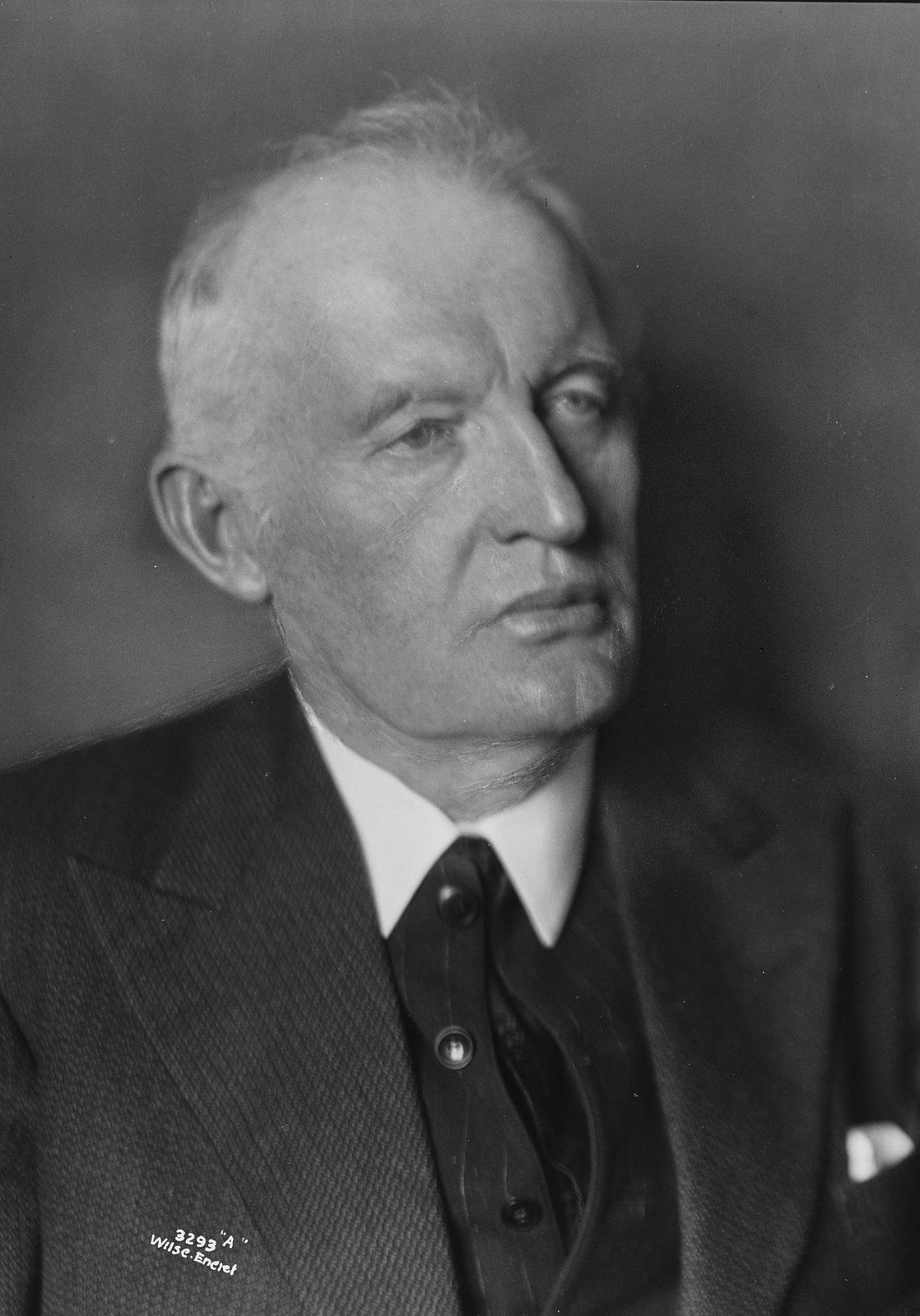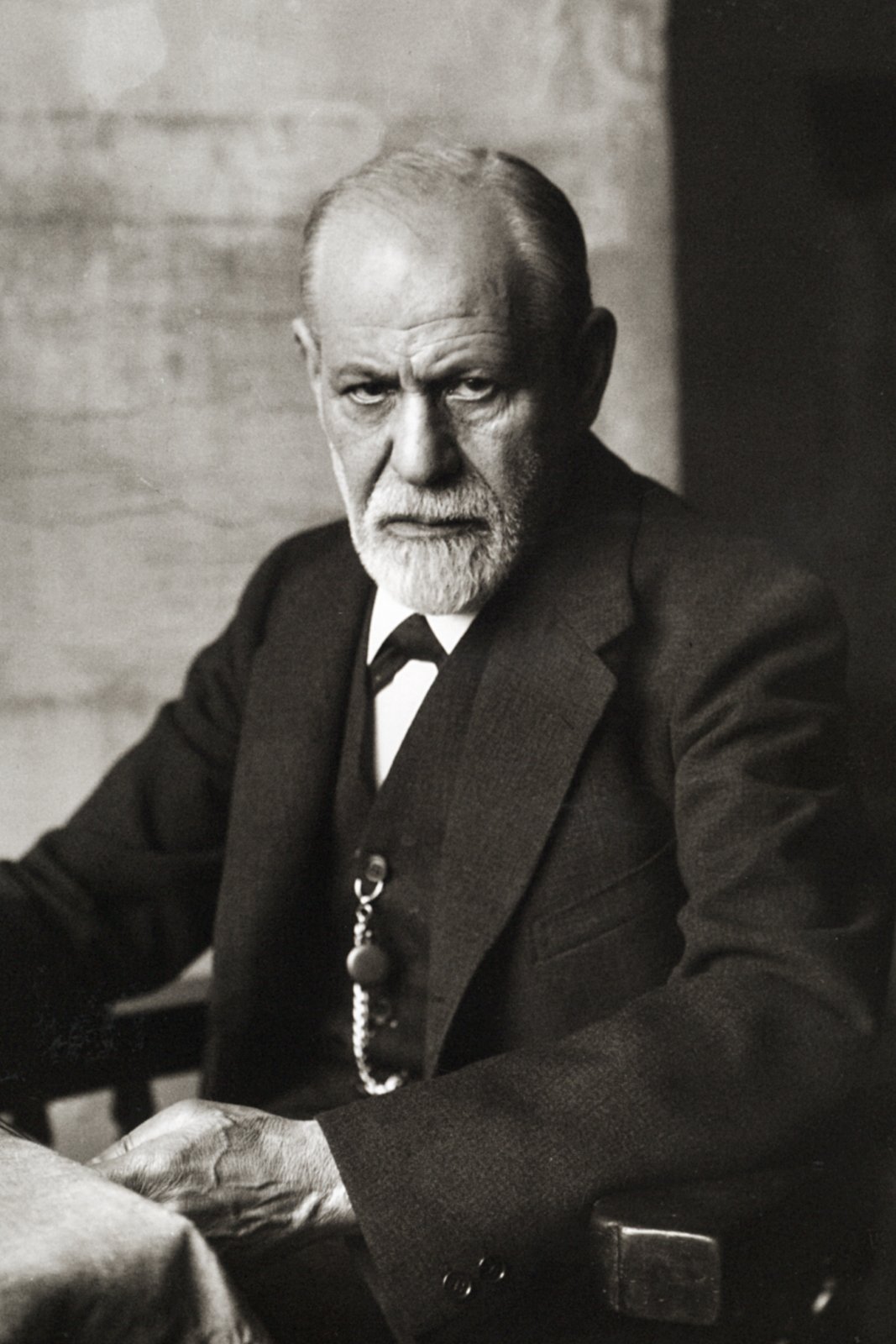

Photograph of Edvard Munch by Anders Beer Wilse, 20 November 1933, Norsk Folkemuseum (NF.WA03293) · Norsk Folkemuseum (Anders Beer Wilse collection, NF.WA03293), via DigitaltMuseum object 0210114085571 and Wikimedia Commons file 'Edvard Munch 1933-2.jpg' · Public domain (Public Domain Mark per Norsk Folkemuseum on DigitaltMuseum; Commons tag PD-Norway50; photographer Anders Beer Wilse, 1865-1949; photographed 20 Nov 1933)
Trait Constellation
Key Achievements
The Scream exists in several versions. The Munch Museum counts four of them, two tempera paintings and two drawings, including a crayon version dated 1893, and estimates there are about 30 impressions of the 1895 lithograph. The motif began as a prose poem in Munch's diary in Nice in the winter of 1892, about an evening walk under flaming clouds, and the lithograph was reproduced in journals such as La Revue blanche in 1895.
In the 1890s Munch painted motifs including Vampire, Puberty and Madonna and grouped his pictures into a cycle on love, anxiety and death that he called The Frieze of Life. In the winter of 1893-94 he hired rooms in Berlin to show a series of love pictures, among them The Kiss, Vampire, Jealousy, Despair and Madonna, and in 1902 he showed 22 works around the four walls of the Berlin Secession's sculpture room. In 1940, after the German invasion, he made a will leaving his works and papers to the City of Oslo, hoping to give the Frieze a home.
Munch took up etching, lithography and woodcut in the 1890s. The art historian Curt Glaser wrote in 1922 that the woodcut became a usable artistic language only in his hands, because the image was cut directly into the block, as a painter works with a brush, and that he sawed blocks into pieces to print them in colour. Gustav Schiefler's 1907 catalogue records woodcuts cut from rough crate boards using the grain of the wood, and the Munch Museum says his Madonna lithograph exists in several hundred impressions.
From 1909 to 1916 Munch worked on the decoration of the festival hall (Aula) of the University of Oslo, eleven paintings including History, The Sun and Alma Mater. After exhibitions of his drafts caused a stir in Germany in 1913, the university board voted to acquire them, and he hung the paintings in late summer 1916.
Moments That Reveal Them
In 1911 the jury for the University of Oslo hall rejected both Munch's drafts and Emanuel Vigeland's, and the hall was hung with yellow silk wallpaper for the university's centenary. Munch called the decision 'a victorious defeat' and began at once to paint a new, final version of The Sun in monumental format, continuing to work on some motifs until he hung the pictures in 1916.
Starting a new version straight after the rejection, and carrying on until the paintings were hung, is consistent with persistence; the 1913 German showing that helped reverse the decision was also part of the outcome. Persistence
From 1905 to 1934 Munch made hectographs, prints taken from a gelatin slab inked with a drawing in aniline dye, about 100 motifs in all. On one he wrote 'Printed on my secret press'. The museum's curators note that, unlike etching, lithography or woodcut, the method needed ingredients bought in shops and no printing plate, so he could print the images himself without a professional printer.
Choosing a method he could run alone with shop-bought materials is consistent with a need to control how his images were made and multiplied; the curators say they do not know what prompted the choice. Need for Autonomy
Turning Points
In November 1892 the Association of Berlin Artists, at the suggestion of the Norwegian painter Adelsteen Normann, showed 55 of Munch's works at the House of Architects. Members were outraged and the show was closed within about a week, an affair the press called the 'Munch Affair'. Munch wrote home that he could have no better advertisement, and he moved to Berlin, where he lived and worked on and off until 1908.
Reading the closure as publicity and then moving to the city where it happened is consistent with spotting an opening in a setback; this rests on one quoted letter and the move, so it is a modest inference. Opportunity Sensing
Similar People
People whose overall profiles resemble theirs.

Yayoi Kusama

Frida Kahlo

Carl Jung

Miles Davis
Coco Chanel
Opposite Profile
Not a rival — a different profile shape worth a look.
Alexander Hamilton
Sources
- Edvard Munch (Q41406) -- verified live via wbgetentities (2026-10-05): en label 'Edvard Munch', description 'Norwegian painter (1863-1944)', born 12 Dec 1863, died 23 Jan 1944, citizenship Norway, ko label '에드바르 뭉크'. Orientation only; not used as support for any row.
- Edvard Munch, English Wikipedia -- orientation only (dates, spelling of titles); not used as support for any row.
- Gustav Schiefler (Hamburg jurist and Munch's first cataloguer and collector), 'Verzeichnis des graphischen Werks Edvard Munchs bis 1906' (Berlin: Bruno Cassirer, 1907), Getty Research Institute scan on the Internet Archive -- CLOSE-BUT-INDEPENDENT collector-cataloguer account: Schiefler went through the prints sheet by sheet with the artist, so the technical entries rest on Munch's own statements, and the sympathetic introduction is a contemporary collector's reading. Read the preface, the introduction (pp. 5-20: subject, style, reception, and the woodcut, lithograph and etching practice) and the catalogue entries on printing, states and combined techniques; entries for individual sheets were skimmed.
- Gustav Schiefler, 'Edvard Munch: Vortrag in der Gesellschaft Hamburgischer Kunstfreunde' (Berlin: Graphisches Kabinett J. B. Neumann, 1916), Internet Archive scan -- a collector and personal acquaintance's lecture (1916), partly first-hand (conversations with Munch, the 1902-1908 years) and openly admiring. Read in full; its remarks on Munch's health and nervous state were deliberately not used for scoring.
- Stanislaw Przybyszewski (ed.), 'Das Werk des Edvard Munch: Vier Beitraege von Stanislaw Przybyszewski, Franz Servaes, Willy Pastor, Julius Meier-Graefe' (Berlin: S. Fischer, 1894), Google Books scan via the Internet Archive -- CONTEMPORARY critical symposium written within about a year of the Berlin controversy; the editor says it deliberately mixes unconditional advocacy (Przybyszewski), a qualified view (Servaes), a calm one (Pastor) and an enthusiastic one (Meier-Graefe). Read the preface, the Przybyszewski, Servaes and Pastor essays in the main, and Meier-Graefe's account of the Berlin critics' reaction and Munch's answer to it (pp. 59-72); the OCR is rough in places.
- Curt Glaser (art historian and Berlin museum curator), 'Die Graphik der Neuzeit vom Anfang des XIX. Jahrhunderts bis zur Gegenwart' (Berlin: Bruno Cassirer, 1922), Internet Archive scan, chapter section on Munch and the revival of the woodcut, pp. 517-527 -- INDEPENDENT critical-historical overview written two decades after the prints, with an explicit evaluative thesis (Munch as central figure of recent graphic art), so it is read for what it describes of his working practice (sequence of media, reworking, sawn blocks, return to woodcut) rather than for its verdicts.
- Munchmuseet (Oslo), 'Edvard Munch's life 1863-1944' timeline, munchmuseet.no -- institutional chronology by the museum that holds the artist's bequest; official-legacy perspective, not independent of Munch's reputation. Read in full; used only for dated actions (1889 solo show, Berlin 1892, printmaking, Aula 1909-1916, the 1940 will).
- Munchmuseet, 'Edvard Munch's struggle with the tax authorities', munchmuseet.no -- museum article quoting Munch's own notes and a 300-page tax notebook (primary-source quotations mediated by the museum); read in full.
- Munchmuseet, '10 things you may not know about Edvard Munch', munchmuseet.no -- museum article quoting Munch's letters and notebooks (technology interests, disputes with critics and colleagues, storage of works at Ekely); read in full; incidents of private life and temper deliberately not scored.
- Signe Endresen (senior curator) and Emma Turgut (paper conservator), 'Edvard Munch's hectographs', Munchmuseet, 18 Jan 2024 -- curators' account of a 2023 research project that re-created Munch's hectographic inks and gelatins; read in full.
- Ute Kuhlemann Falck (curator), '5 things you should know about The Scream', Munchmuseet, 2020 (rev. 2024) -- curator's account of the versions, the 1892 diary text and the lithograph's reproduction; read in full.
- Munchmuseet, 'Who was Edvard Munch?', munchmuseet.no -- museum video-series page on three self-portraits, including remarks on his 1895 printmaking (Madonna lithograph in several hundred impressions; changing plates while printing); read in full.
- Munchmuseet, 'The Art Collector Rolf Stenersen', munchmuseet.no -- museum article on collector Rolf Stenersen (b. 1899), reporting Munch's advice to him and Stenersen's own statements; read in full. Used only for the Stenersen perspective on Munch as an older artist, not for any score.
- Munchmuseet, 'About the Collection - A fragile inheritance', munchmuseet.no -- museum description of Munch's 1940 bequest to the City of Oslo and what it contains; read in full.
- eMunch.no (Munch Museum / University of Oslo scholarly edition of Munch's writings and letters), 'The Aula Decorations', English commentary -- editors' summary of the University of Oslo hall decorations (1909-1916), quoting Munch's own phrase about the 1911 decision; read in full.
- Berlinische Galerie, press kit for the exhibition 'Edvard Munch: Magic of the North' (Berlin, press release of 13 Sep 2023), PDF, berlinischegalerie.de -- Berlin museum's account of the 1892 'Munch Affair', Munch's exhibition strategy in Berlin 1893-1902 and the 1913 Secession showing; written by a Berlin institution, so independent of the Oslo museum, but a curatorial overview rather than a scholarly study. Read the full press text and the catalogue and chronology sections.