Leonardo da Vinci
90% Profile Match
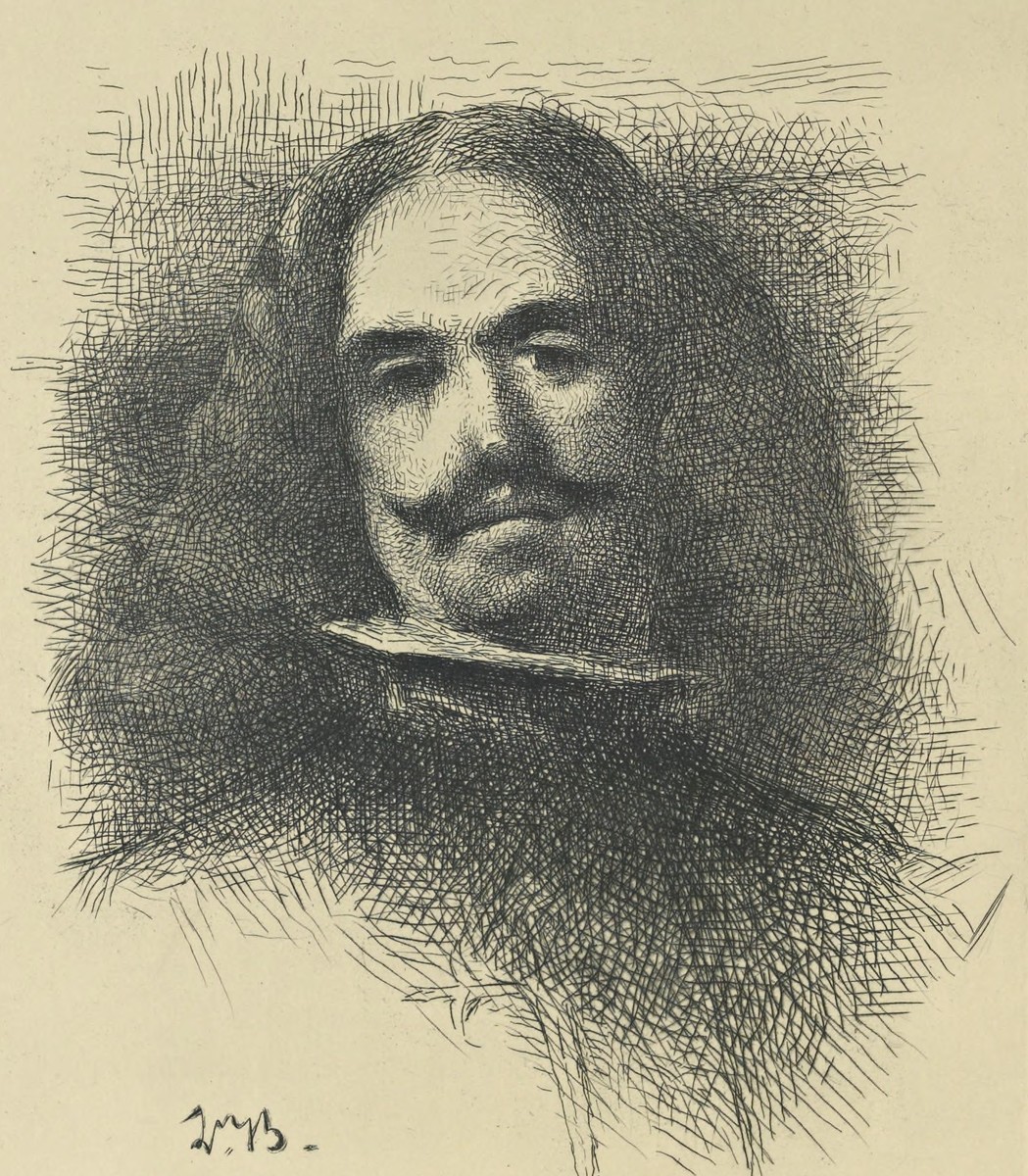
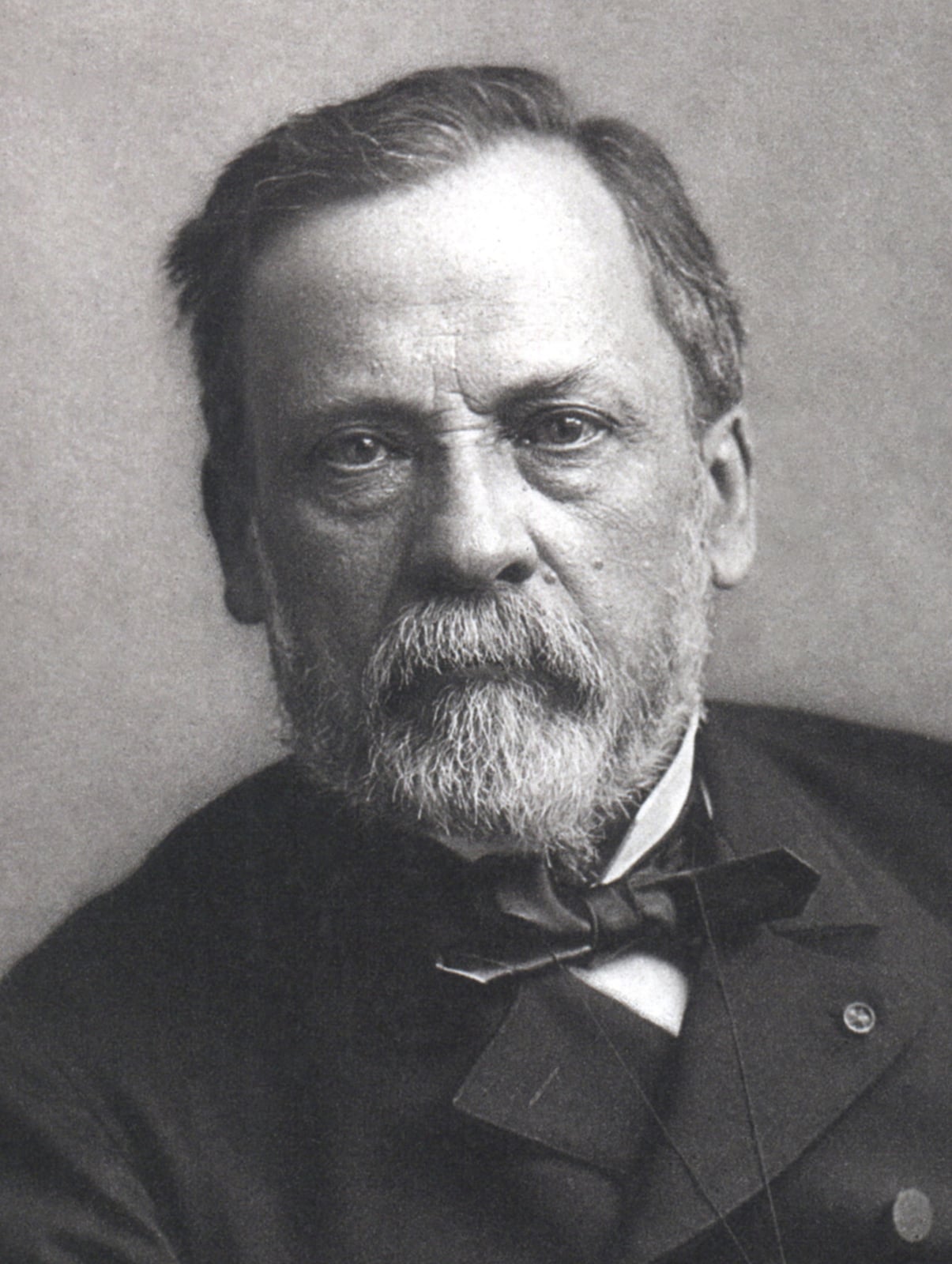
Etching by Léon Bonnat, 1898, after Diego Velázquez; Internet Archive / Getty Research Institute digitisation of Beruete, Velazquez (Paris, 1898) · Etching of Velázquez by Léon Bonnat, frontispiece of Aureliano de Beruete's book Velazquez (Paris: H. Laurens, 1898); the book's table of engravings captions it as after the portrait of the artist by himself in Las Meninas. Digitised from the Getty Research Institute copy by the Internet Archive. The page scan (2147 x 3000) was cropped to the etched plate and downscaled to 1049 x 1200 with no upscaling. · Public domain (etching by Léon Bonnat, 1833-1922, published in Paris in 1898)
painter · Early Modern
1599–1660
Not yet included in personality matching — the documented evidence doesn't yet cover enough of the personality model. Everything else on this page is fully available.
He became painter to Philip IV in 1623 and painted the king, his family and court, along with religious, mythological and everyday scenes, work regarded as among the finest of 17th-century Spanish painting.
His Las Meninas (1656), which shows him at work among the royal household, is named by the British Museum as his most important work and is one of the most studied paintings in the world.
He made two journeys to Italy, in 1629-31 and 1649-51, studying Italian painting and buying pictures for the king, and in Rome he painted Pope Innocent X.
Apprenticed at eleven to Francisco Pacheco, he soon surpassed his master and, unlike Pacheco, responded to innovators such as Caravaggio.
This is consistent with a young painter who took in new approaches instead of simply following his teacher. Creative Originality
His 1658 application to the Order of Santiago was rejected by the judges in February 1659, and he was confirmed as a knight in October 1659 only after the king obtained a papal dispensation.
This is consistent with a court painter who sought high social standing, though the outcome rested largely on the king's intervention. Achievement Drive
In 1623 his portrait of the young Philip IV led to his appointment as court painter, after which he lived in Madrid with access to the royal collection, where he studied Venetian paintings such as Titian's.
This is consistent with a shift from a provincial workshop painter to a court painter who kept studying other masters. Mastery Orientation
People whose overall profiles resemble theirs.

Not a rival — a different profile shape worth a look.