T. E. Lawrence
93% Profile Match
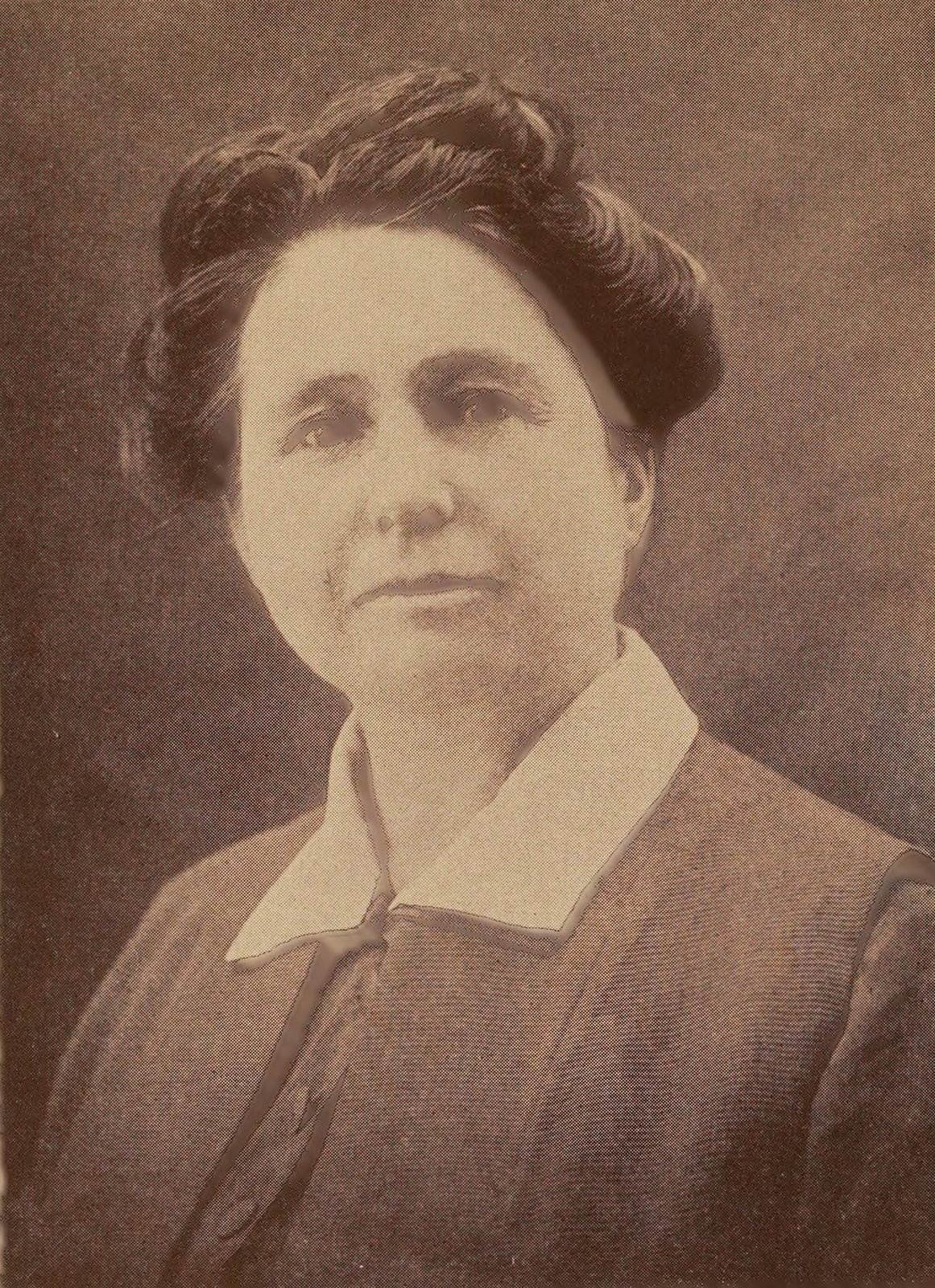
Photographer not credited; portrait published as the frontispiece of Harper & Brothers, 1927 (copyright notice 1927, printed in the U.S.A.). Works published in the United States in 1927 entered the US public domain on 1 January 2023. No upstream institutional rights note was found on the Internet Archive item. · Frontispiece 'Madame Alexandra David-Neel' in the first US edition of My Journey to Lhasa (New York and London: Harper & Brothers, 1927), Internet Archive scan myjourneytolhasa00davi_2, cropped from the page scan and downsized from about 1520x2095 · Public domain (US publication 1927)
In 1923-24 David-Néel, then 55, and her adopted son Aphur Yongden travelled on foot across eastern Tibet disguised as a lama and his mother, avoiding the border guards of a country closed to foreigners, and reached Lhasa in February 1924. They stayed about two months. She is widely described as the first Western woman to enter the city; the account of the journey rests mainly on her own book, and the Indologist Klaus Karttunen notes that the extent of her travels has been questioned.
Her account of the journey appeared in 1927 in Paris, London and New York as My Journey to Lhasa, and in 1929 she published Mystiques et magiciens du Tibet (English edition Magic and Mystery in Tibet, 1932). Gale's biography reports that the first book caused a sensation; Karttunen calls her books very popular but not scholarly studies, and the New York Times reviewer found the Lhasa account fascinating but vague.
With Lama Yongden she recorded recitations of the Gesar of Ling epic from bards and manuscripts in the eastern Tibetan borderlands, including sittings of more than six weeks with one bard. The result, The Superhuman Life of Gesar of Ling, appeared in French in 1931 and in English in 1933 with a preface by the Collège de France professor Sylvain Lévi. The Chinese ethnologist Li Anzhai helped the pair and wrote an article praising their work.
From 1911 to 1925 she lived and studied in Asia, including Sikkim, where she met the 13th Dalai Lama in 1912 and spent time in a cave hermitage, and China and its Tibetan borderlands, where she spent years in monasteries such as Kumbum. In 1916 she entered Tibet without permission to visit the Panchen Lama and was sent out of Sikkim. Karttunen records the 1911-25 stay and says she knew Tibetan culture and religion well, though some of her claims are far from convincing.
In her own account, seven robbers in the Po country took two rupees from Yongden and moved to open his load, which held foreign objects that would have exposed the pair. She says she wept and called on fearsome Tibetan deities by name until the men returned the coins and asked for a blessing. Her book does not mention a pistol, while a later profile says she fired one, so the details of the episode differ between tellings.
Improvising a persona from what she knew of Tibetan belief, rather than a fight she could not win, is consistent with resourcefulness; the episode is told almost entirely from her own pen. Resourcefulness
Falling ill with enteric fever near Kanze, she was ordered by Tibetan frontier officials to turn back because she had no permit from the British consul. She says she refused, argued for days, and went on to Jakyendo instead, telling them that unless they shot her they could not stop her. She later called this episode the start of a new period of wanderings.
Refusing an official order and going on alone is consistent with a strong need for autonomy; it is known only from her own account. Need for Autonomy
In 1916 she crossed into Tibet from her hermitage without permission to visit the Panchen Lama at Tashilhunpo. The British Resident in Sikkim gave her fourteen days to leave, and Gale reports she was deported. Unable to return to Europe in wartime, she went on to Japan, Korea and China, the road that eventually led to Kumbum and the Lhasa journey.
Knowingly crossing a ban that would cost her her base is consistent with risk tolerance, and the cost fell on her Sikkim studies. Risk Tolerance
People whose overall profiles resemble theirs.