Nellie Bly
93% Profile Match
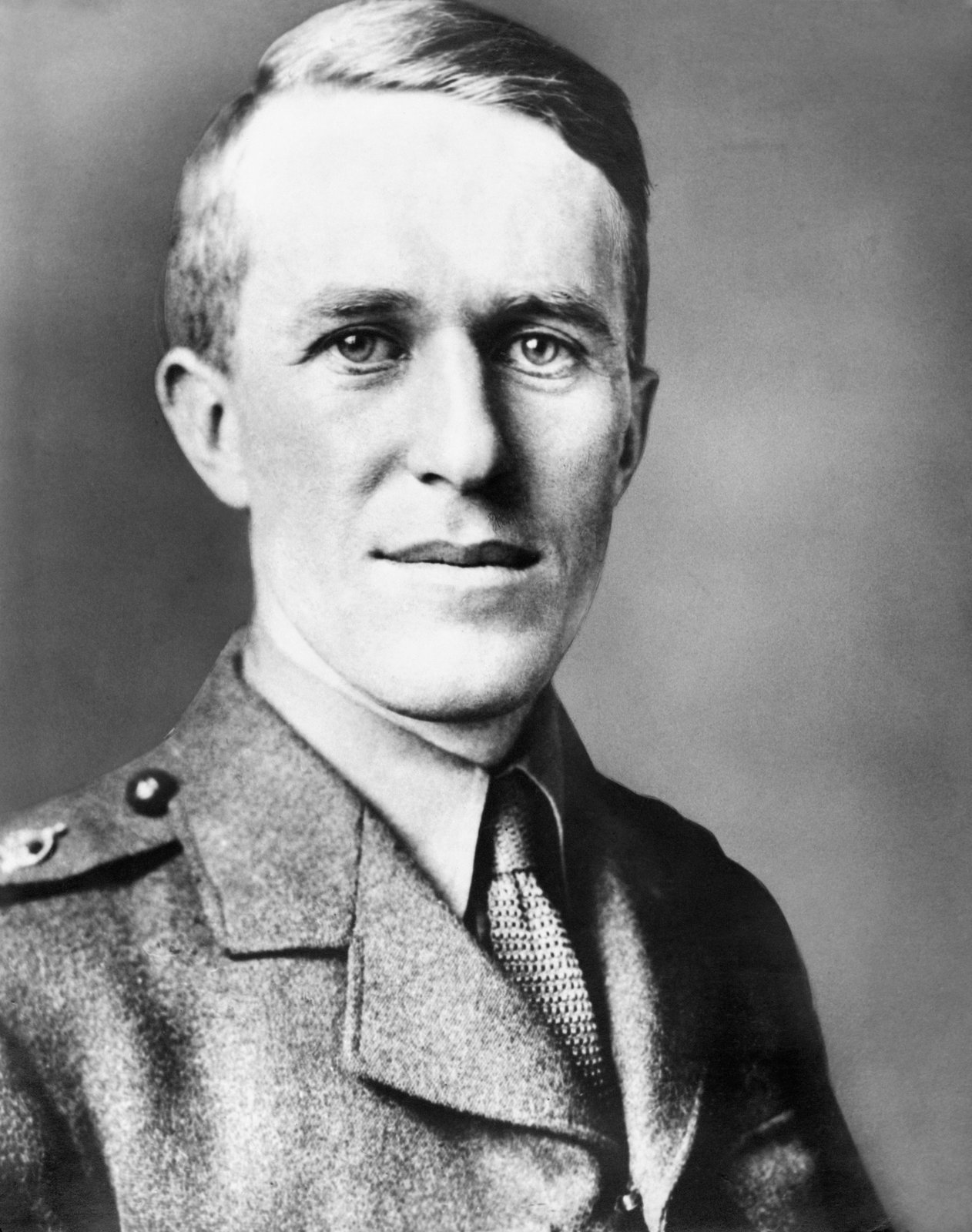
Harris & Ewing, 1919 (Paris Peace Conference portrait) · Wikimedia Commons · Public domain
Personally planned and led the 1917 Aqaba raid via an overland desert crossing considered impassable, corroborated by both British and Arab accounts of the campaign.
Seven Pillars of Wisdom is independently regarded by literary critics as a significant work of prose craft, not merely a military memoir.
Captured and beaten at Deraa in 1917 during the Arab Revolt campaign, documented in Seven Pillars of Wisdom.
This is consistent with the profile's high risk_tolerance: a specific, severe, independently corroborated risk accepted in the campaign. Risk Tolerance
After the war, declined a knighthood offered by King George V and enlisted as a private in the Royal Air Force under an assumed name.
Achieved major wartime success leading the Arab Revolt, then deliberately retreated from public recognition and formal status afterward — a documented, contradictory arc rather than a simple pattern of ambition.
This is scored directly in the profile's moderate, dual-edged achievement_drive and leadership_drive — a documented ambivalence about fame and formal status, not smoothed into a simple narrative of ambition. Achievement Drive
People whose overall profiles resemble theirs.