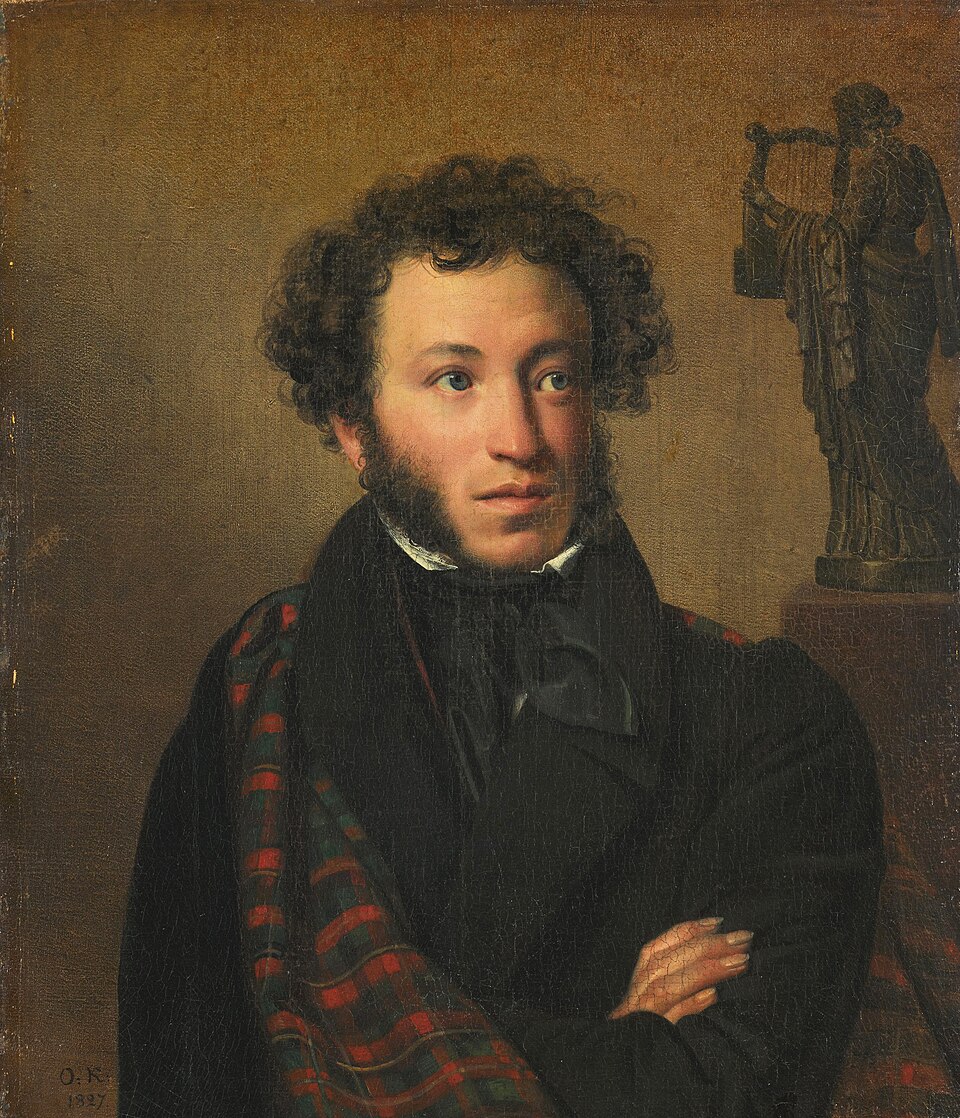

Orest Kiprensky, portrait of Alexander Pushkin, 1827, Tretyakov Gallery (public domain) · Portrait of Alexander Pushkin by Orest Kiprensky, 1827, oil on canvas, Tretyakov Gallery, Moscow, via Wikimedia Commons file 'Kiprensky Pushkin.jpg' (original 1759 x 2048; the 960 x 1118 Commons rendition is saved, not enlarged). The painter died in 1836, so the work is in the public domain; a faithful reproduction of a two-dimensional public-domain work adds no new copyright. · Public domain (painter Orest Kiprensky died 1836)
poet · 19th Century
Alexander Pushkin
1799–1837
Known For
Not yet included in personality matching — the documented evidence doesn't yet cover enough of the personality model. Everything else on this page is fully available.
Trait Constellation
Key Achievements
He wrote Eugene Onegin, a verse novel begun in 1823 and published in full in 1833, for which he invented a new stanza form.
He is regarded as a founder of modern Russian literature: building on European traditions and Russian folklore, he helped create the basis of the modern literary language.
Besides his lyrics and the mock epic Ruslan and Liudmila (1820), he wrote the drama Boris Godunov, the Belkin stories and the Little Tragedies.
Moments That Reveal Them
In autumn 1830 a cholera quarantine kept him at the Boldino estate for about three months, where he finished the last chapters of Eugene Onegin, wrote the Belkin stories and more than thirty poems.
This is consistent with a capacity for intense, rapid output when working undisturbed. Execution Speed
Turning Points
At Boldino in 1830 he turned to prose, which he had earlier disliked, and the Belkin stories opened a new line in his writing.
This is consistent with a willingness to take up a form he had previously avoided. Experimentation
Similar People
People whose overall profiles resemble theirs.


Maya Angelou

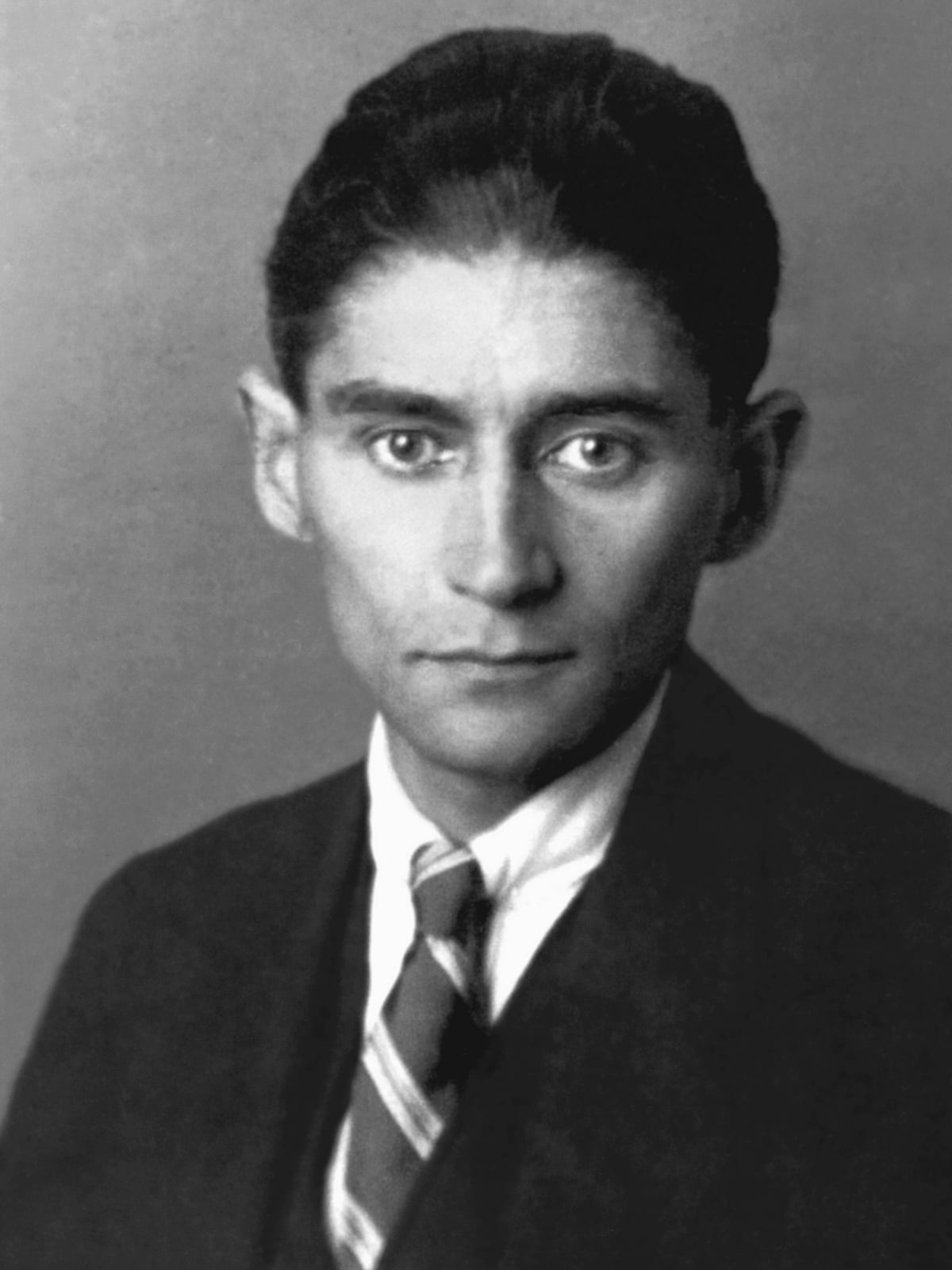
Franz Kafka

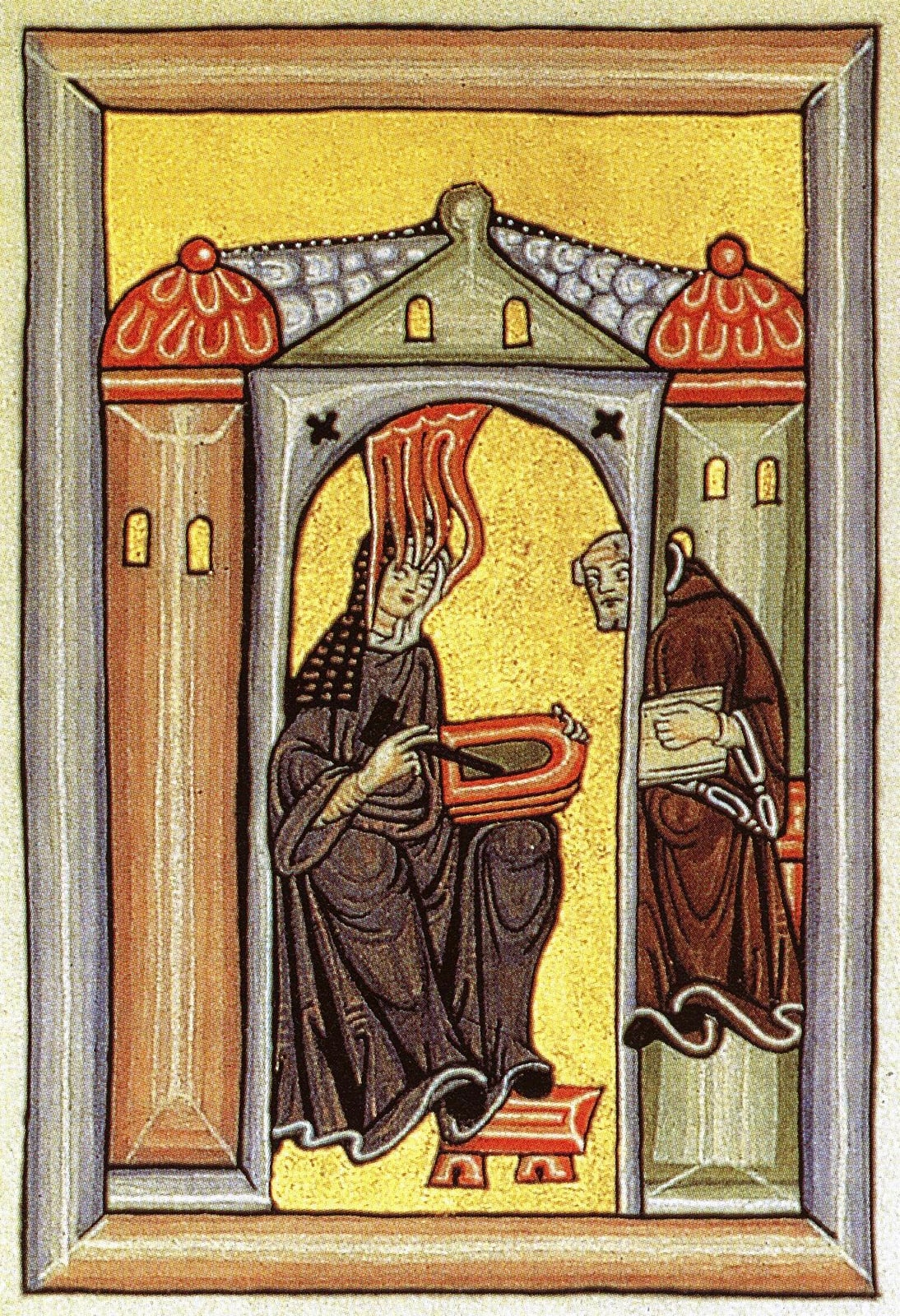
Hildegard of Bingen

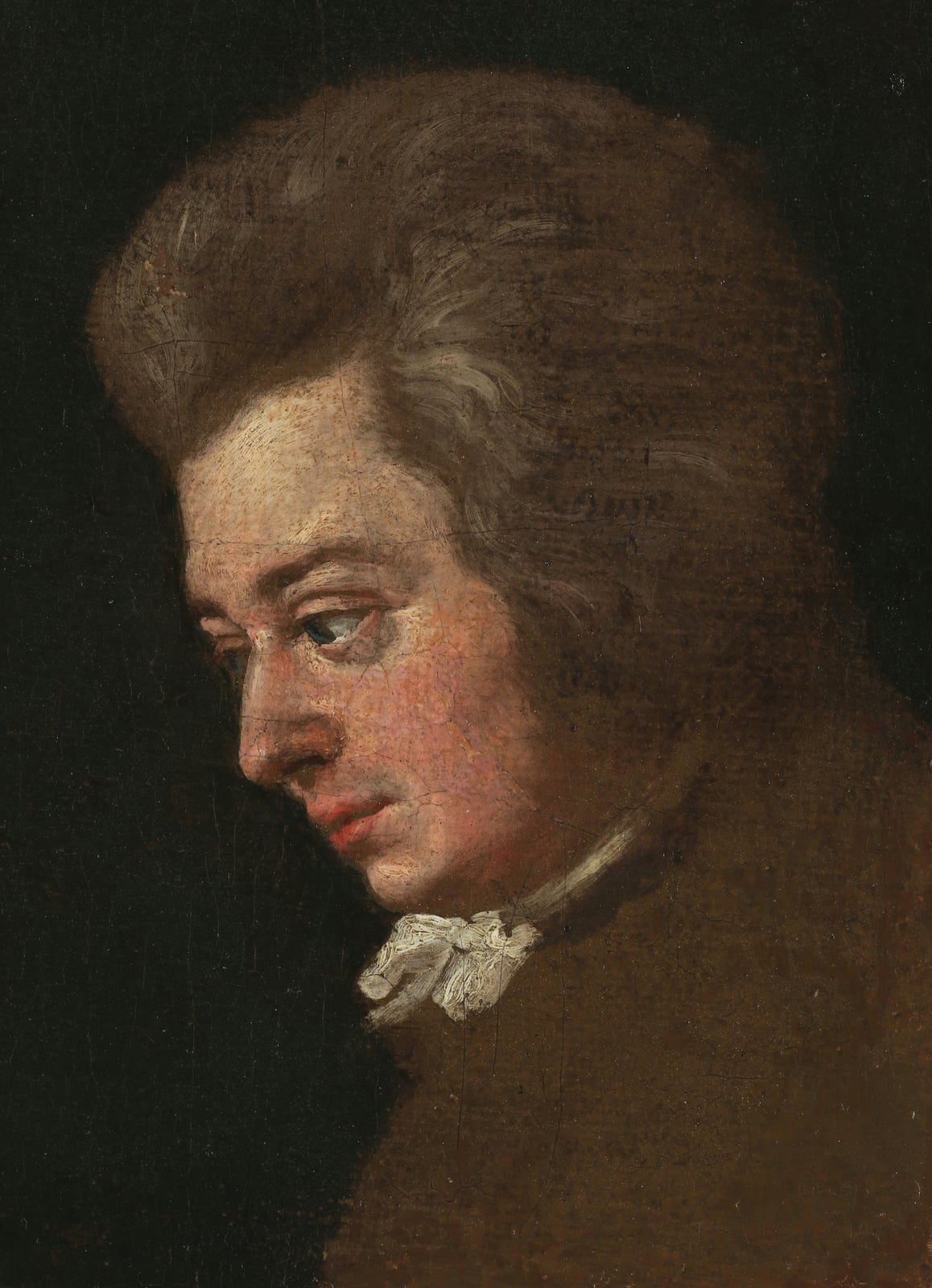
Wolfgang Amadeus Mozart

Fyodor Dostoevsky
Sources
- Alexander Pushkin (Q7200) -- verified live via the Wikidata API (2026-10-24): English label 'Alexander Pushkin', description 'Russian poet, playwright, and novelist (1799-1837)', Korean label '알렉산드르 푸시킨', P18 image 'Kiprensky Pushkin.jpg'. Orientation only; not used as support for any row.
- Poetry Foundation, 'Alexander Pushkin' biography, read in full. CANONICAL SIGNIFICANCE SOURCE: Russia's most famous poet; the verse novel Eugene Onegin begun at the end of 1823, written over seven years and published in full in 1833, in which he invented a new stanza; the mock epic Ruslan and Liudmila (1820) broke with prevailing verse traditions; exile from 1820, later release by Nicholas I with his work still frequently censored and his letters intercepted; statue unveiling in 1880 with speeches by Dostoevsky and Turgenev. Institutional, admiring and retrospective; the duel and the marriage passages were read and left unscored.
- Academy of American Poets, 'About Alexander Pushkin' (poets.org), read in full: short biography naming Eugene Onegin, the closet drama Boris Godunov (1831) and the short story 'The Queen of Spades' (1834) as his major works and calling him a major figure of modern Russian literature. Brief institutional orientation, independent of the Poetry Foundation text.
- Times Higher Education review of T. J. Binyon's biography 'Pushkin' ('Untimely ebb of an ocean of talent', 14 November 2003), read in full: Binyon's stated aim to free the man from the heroic myth; Nicholas I appointing himself Pushkin's personal censor and failing to grasp the formal innovation of Boris Godunov; surveillance of the poet after exile; a dissolute St Petersburg youth; the reviewer's limits (no new sources, little discussion of the works). Review of a biography, read instead of the book itself; a sceptical, demythologising voice.
- History Extra / History Hit feature 'Splendid isolation: great minds who triumphed in lockdown' (history.co.uk), Pushkin section read: the three months at the family estate at Boldino in autumn 1830, stranded by a cholera outbreak, the most productive period of his career, with the last chapters of Eugene Onegin and over thirty poems, and a strict routine described in a letter. Popular history article; quotes a letter of Pushkin's.
- Open magazine column 'Love and Literature in the Time of Cholera' (openthemagazine.com), read in full: Pushkin at Boldino in 1830, taking only three books, turning to prose that he had previously disliked, the Belkin stories and the last chapters of Onegin, with Nabokov quoted on the number of masterpieces produced there. Popular column; some detail repeats the History Extra feature, so the two are not counted as independent for the Boldino episode.
- New World Encyclopedia, 'Alexander Pushkin' (read in full): founder of modern Russian literature; before him there was no commonly accepted literary language, and he synthesised European traditions with Russian folklore; pardon by Nicholas I in 1826 and subsequent strict censorship; Eugene Onegin, Boris Godunov, the Belkin tales and the Little Tragedies; the court rank of Junior Chamberlain; his dissolute youth. A general, derivative encyclopedia entry, used for orientation on literary significance and as a second description of his style innovations.
- Wikimedia Commons file page 'Kiprensky Pushkin.jpg' (Orest Kiprensky, 1827, oil on canvas, Tretyakov Gallery, Moscow; licence tags Public domain and Creative Commons Public Domain Mark 1.0), checked for the portrait only.