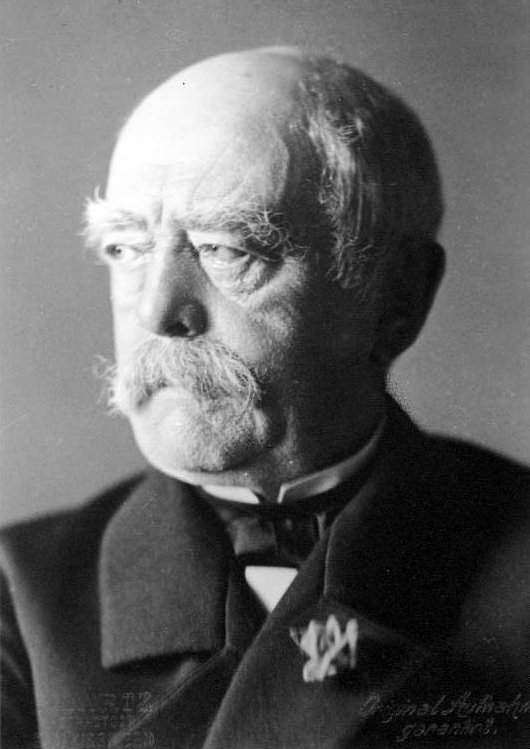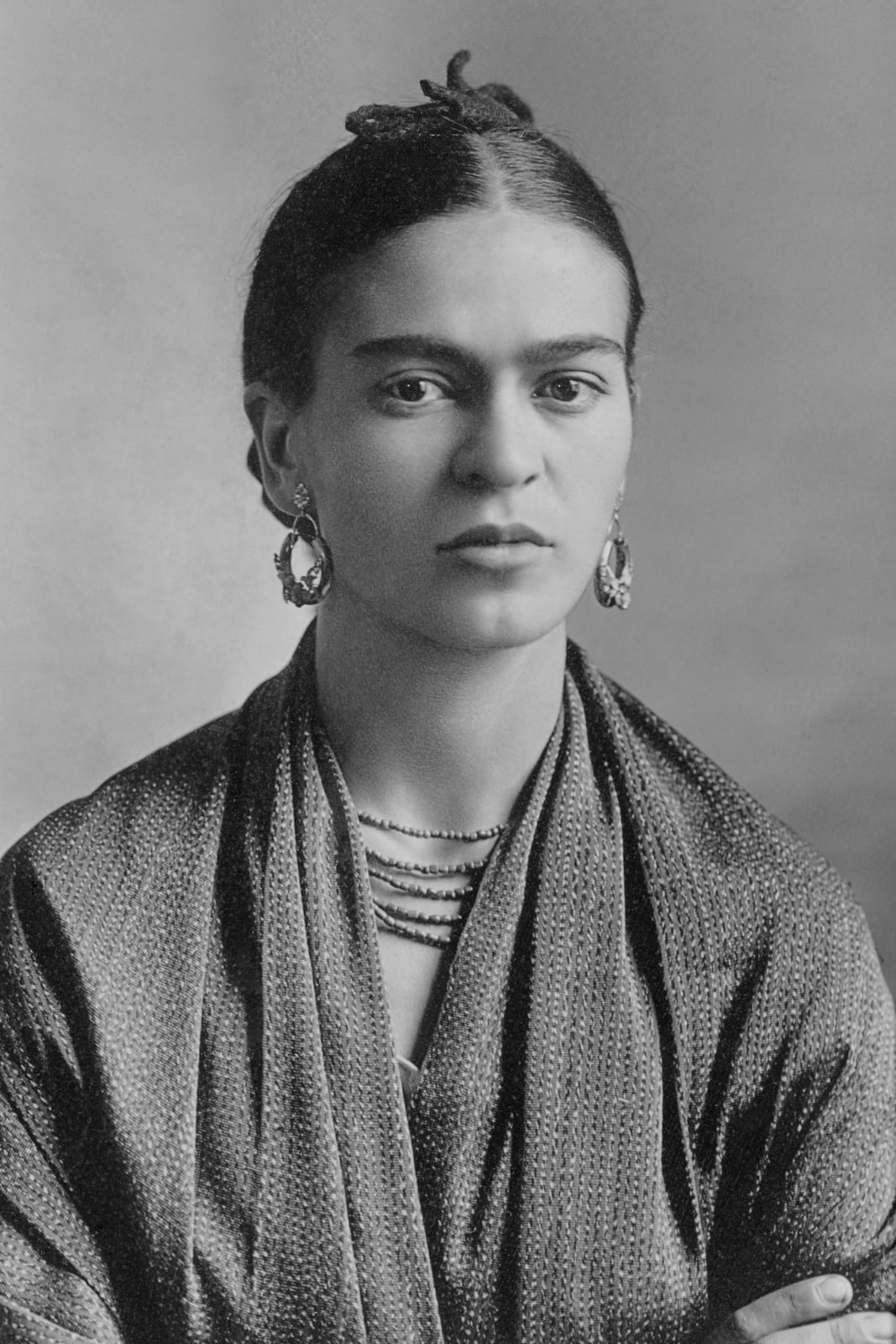
Frida Kahlo
91% Profile Match

Photographer unknown, 9 February 1881 — the last known photograph of Dostoevsky, taken six months before his death · Wikimedia Commons (hosted locally by this app as a resized/compressed derivative; see licenseUrl for the full-resolution original) · Public Domain (published before 1931)
1821 — Born.
1846 — Published his first novel, Poor Folk, launching his literary career.
1849–1854 — Arrested for involvement in a radical discussion circle; sentenced to death, then subjected to a staged mock execution before a last-minute reprieve, followed by four years of Siberian imprisonment.
1859 — Returned to literary life in St. Petersburg after further military service following his release.
1866–1872 — Published his major mature novels — Crime and Punishment, The Idiot, Demons — in parallel with an acute period of financial crisis and gambling.
1881 — Died.
He wrote his most enduring novels — Crime and Punishment, The Idiot, The Possessed — in direct parallel with the most acute period of his own financial crisis and gambling addiction abroad, rather than after resolving either.
This pattern — output sustained through crisis rather than only after it — is consistent with the profile's high persistence score. Persistence
He repeatedly converted real, observed events into major fiction across four decades: a courier's roadside cruelty witnessed as a teenager reappeared in two later novels, a newspaper account of a seamstress's suicide became The Meek One within the same publication cycle, and the 1869 murder by a radical political circle became The Possessed.
Facing a publishing contract that required delivering an entirely new novel within about a month or forfeiting his rights to existing and future work for nine years, he hired a stenographer and dictated The Gambler to the deadline, then filed the finished manuscript with a notary roughly two hours before the publisher's office would have closed.
This single, specific episode is the clearest documented instance behind the profile's high execution_speed score. Execution Speed
His second wife Anna's contemporaneous 1867 diary records a repeating pattern in their early marriage: sharp quarrels — he would "get into a terrible rage" over something as small as poor restaurant service — followed by quick reconciliation within the same day, a firsthand account from the person who observed it daily.
In December 1849 he was led through a staged mock execution — blindfolded, tied to a post, facing a raised firing squad — before a last-minute reprieve that had, unknown to the prisoners, already been decided the day before as deliberate psychological terror. In a letter to his brother written hours later, he described not despair but an intensified will to live: "Life is a gift, life is happiness... I am living again!"
This response to a near-death event, before it was later revealed to have been staged terror, is consistent with the profile's high belief_updating and adaptability scores — reframing an extreme, unchosen circumstance rather than being paralyzed by it. Adaptability
From the early 1870s he progressively ceded real financial and business authority — contract negotiation, pricing, publishing operations — to Anna, writing to her in 1876 that "everything is in your power alone... I so highly value and trust in your mind." It reversed the previous decade's pattern of exclusively self-directed financial decisions, the same pattern that had produced his bankruptcy.
Handing over financial control, after a decade of solitary decisions had produced bankruptcy, is one specific documented instance behind the profile's collaboration score. Collaboration
People whose overall profiles resemble theirs.
Not a rival — a different profile shape worth a look.