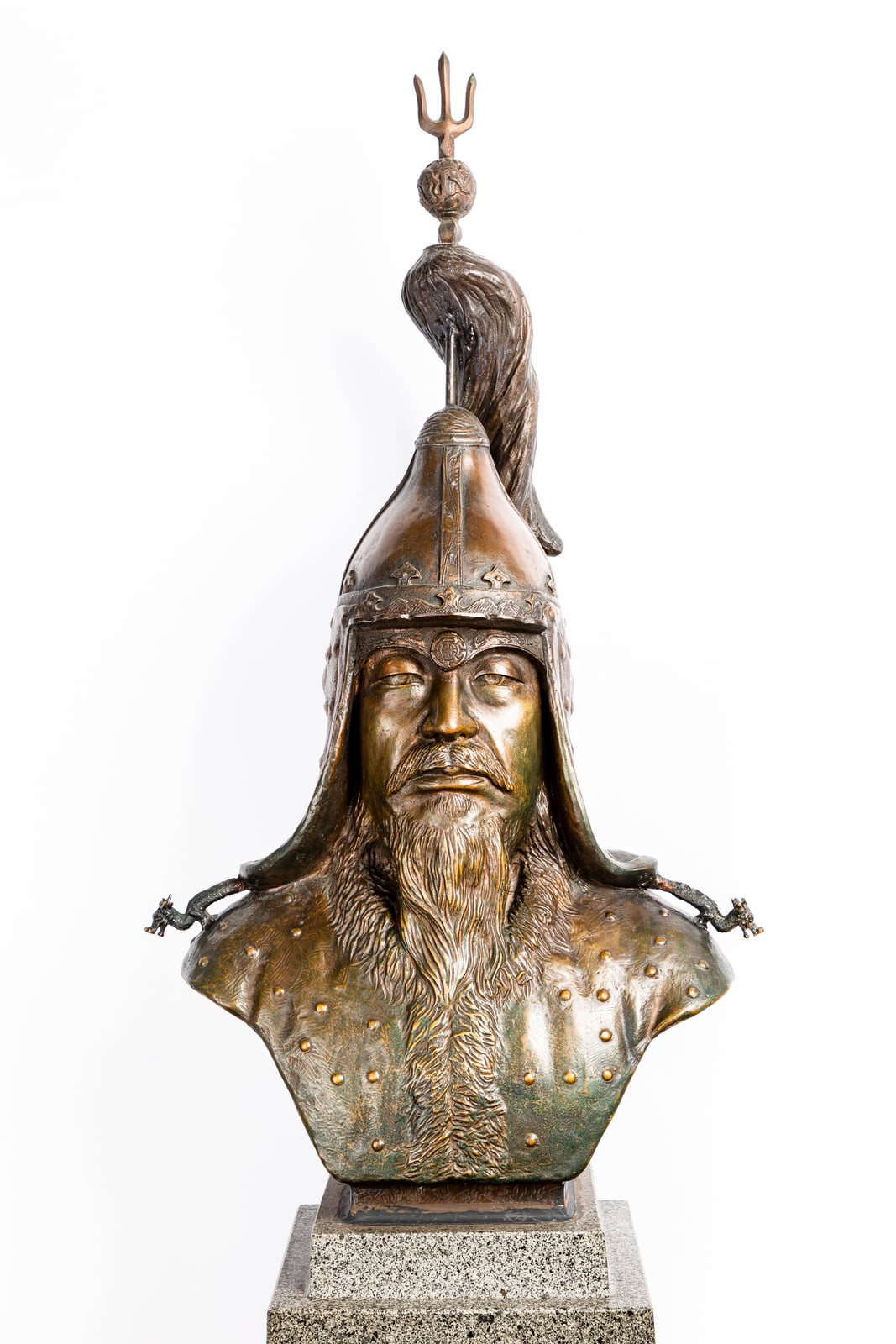
Yi Sun-sin
90% Profile Match
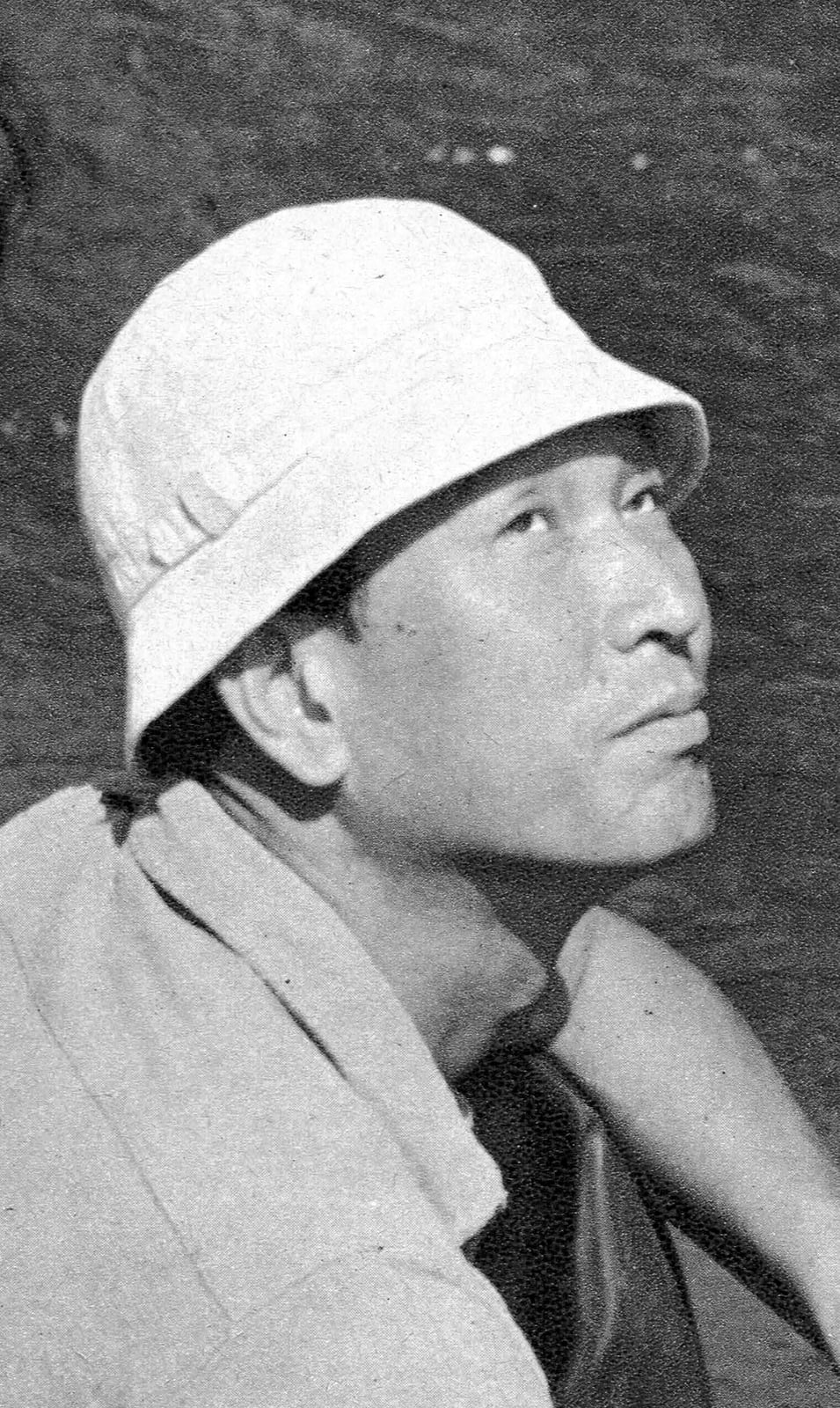
映画の友 (Eiga no Tomo) magazine, December 1953 — photographer uncredited · Wikimedia Commons (resized/recompressed derivative; see licenseUrl for the original) · Public Domain (Japan: pre-1957 photograph, old Copyright Act term expired by 1970; not restored by the Uruguay Round Agreements Act)
1910 — Born in Tokyo.
1936 — Joined the P.C.L. film studio (later Toho) as an assistant director in 1936.
1943 — Directed his first feature, Sanshiro Sugata, in 1943.
1950–1954 — Rashomon (1950) won the Golden Lion at Venice in 1951; Seven Samurai followed in 1954.
1968–1975 — Fired from Tora! Tora! Tora! in 1968 and attempted suicide in 1971 after Dodesukaden's commercial failure, then rebuilt his career with the Soviet-funded Dersu Uzala (1975).
1980–1998 — Returned to international acclaim with Kagemusha (1980) and Ran (1985); received an Academy Honorary Award in 1990 and died in Tokyo in 1998.
Rashomon's Golden Lion at the 1951 Venice Film Festival, and its subsequent commercial success in the United States, introduced postwar Japanese cinema to Western audiences at scale for the first time and touched off a decade of Western critical and commercial interest in Japanese film.
Seven Samurai (1954), made over nearly a year of production including a 45-day screenplay retreat and 148 days of shooting, became one of the most influential films in cinema history — voted the best Japanese film ever made in a 1999 critics' poll and ranked 20th among all films worldwide in the 2022 Sight & Sound critics' poll — and its structure directly influenced later films including Star Wars (1977).
For The Most Beautiful (1944), Kurosawa had his cast live in a real factory during the shoot, eat the factory's food, and address each other only by their characters' names — an immersive production method he returned to, in various forms, throughout his career.
In 1968, three weeks into directing the American co-production Tora! Tora! Tora!, Kurosawa was fired from the film, officially attributed to fatigue — a specific professional setback that preceded a deeper career crisis over the following years.
After being fired from Tora! Tora! Tora! (1968) and then seeing his next film, Dodesukaden (1970), fail commercially, Kurosawa attempted suicide in December 1971; he survived, and his health recovered within months. He continued directing afterward: his next film, Dersu Uzala (1975), was funded not by a Japanese studio but by the Soviet agency Mosfilm and won the Academy Award for Best Foreign Language Film, and Kagemusha (1980, backed in part with help from American directors George Lucas and Francis Ford Coppola) and Ran (1985) followed, both financed internationally rather than by a Japanese studio.
Kurosawa is now widely regarded as one of the most influential filmmakers in cinema history, and directors including George Lucas, Francis Ford Coppola, and others who backed his later work have credited his influence on their own filmmaking. The arc of his own career — a postwar breakthrough, an acute domestic crisis in the early 1970s, and an internationally financed late-career renaissance — is itself often cited as emblematic of the difficulty Japanese studio-era auteurs faced sustaining backing through the industry's contraction in the 1960s and 1970s.
People whose overall profiles resemble theirs.