Warren Buffett
94% Profile Match
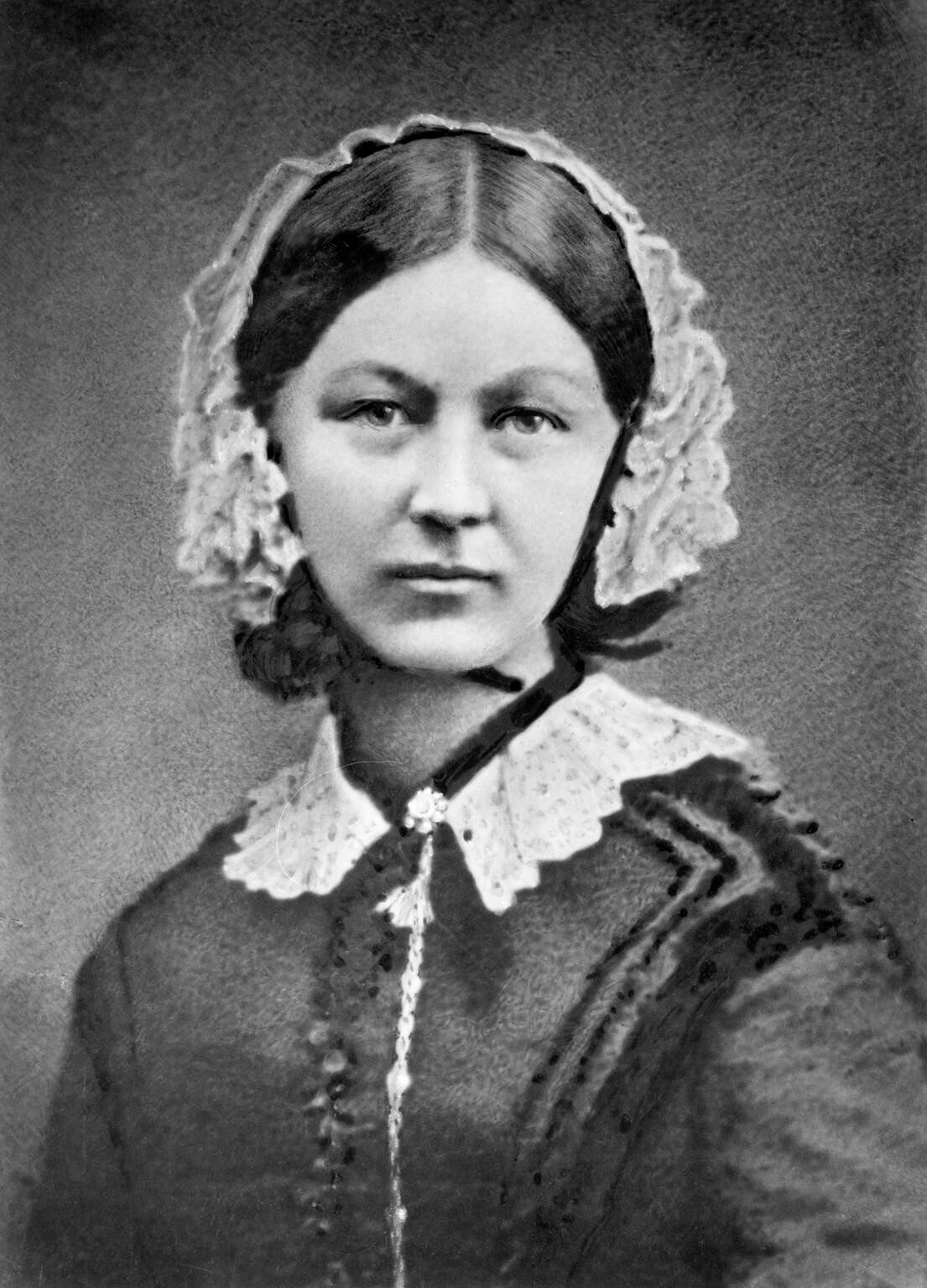
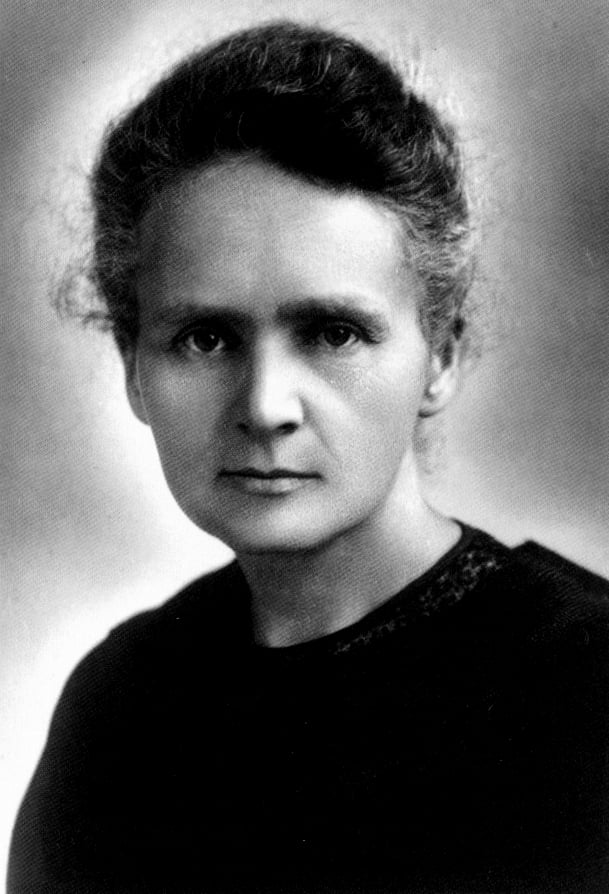
Photograph by Henry Hering, c.1860, Public Domain · Wikimedia Commons (recompressed derivative) · Public Domain (photographer's copyright expired)
1820 — Born.
Young adulthood — Rejected her family's expectation of a conventional marriage to pursue nursing, then considered disreputable for her class.
1854 — Organized her own party of nurses and traveled to the Crimean War front.
Crimean War — Developed the statistical "coxcomb" chart showing poor sanitation, not combat wounds, as the leading cause of death.
1860 — Founded the Nightingale Training School for Nurses, then led decades of healthcare reform, later extending to public health in India.
1910 — Died, after five decades of illness during which she continued reform work almost entirely from her sickroom.
During the Crimean War, Nightingale developed the polar-area diagram — now known as the 'coxcomb' chart — to statistically demonstrate that poor sanitation, not combat wounds, was the leading cause of soldiers' deaths, a specific and methodologically original piece of statistical analysis rather than a general observation.
In 1860 she founded the Nightingale Training School for Nurses and went on to lead sustained institutional reform of British military and civilian healthcare over several decades.
Her statistical presentations directly persuaded British military and government officials to act, prompting a Royal Commission and a series of sanitary reforms that followed from her reports.
In 1854, rather than waiting to be officially deployed, she organized her own party of nurses and traveled with them to the Crimean War front to manage field hospital conditions directly, at real personal risk from disease in the war zone.
This is the profile's proactive_agency score in a fairly literal form: the party of nurses existed because she assembled it herself, not because a role was created and offered to her. Proactive Agency
She rejected her family's expectation of a conventional upper-class marriage in order to pursue nursing, a profession considered disreputable for a woman of her social class at the time.
The profile's independent_thinking score isn't just about privately holding an unconventional view here — she gave up a specific, expected path in order to act on it, which is a stronger form of the same evidence. Independent Thinking
After the Crimean War, Nightingale's health declined into a chronic illness that left her largely confined to her bed for most of the remaining five decades of her life. Rather than stepping back from reform work, she continued it entirely through statistical writing and correspondence — moving from British Army medical reform to public health in India — conducted almost entirely from her sickroom.
The profile's high persistence score has to account for a real change in method here, not just continued effort: the work carried on, but the physically active field nurse of 1854 and the correspondence-driven reformer of the decades after were operating under very different constraints. Persistence
People whose overall profiles resemble theirs.