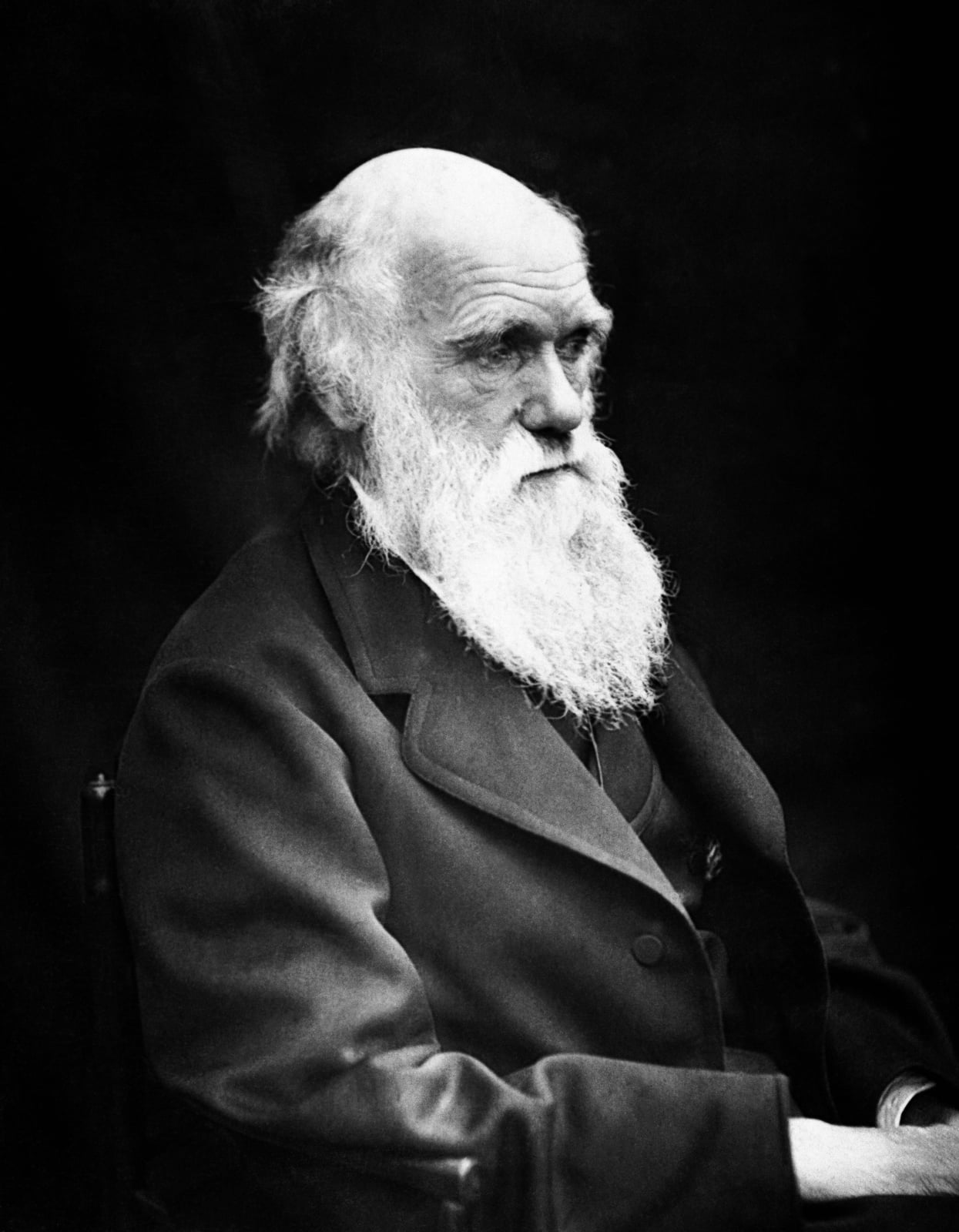
Miriam Makeba
94% Profile Match
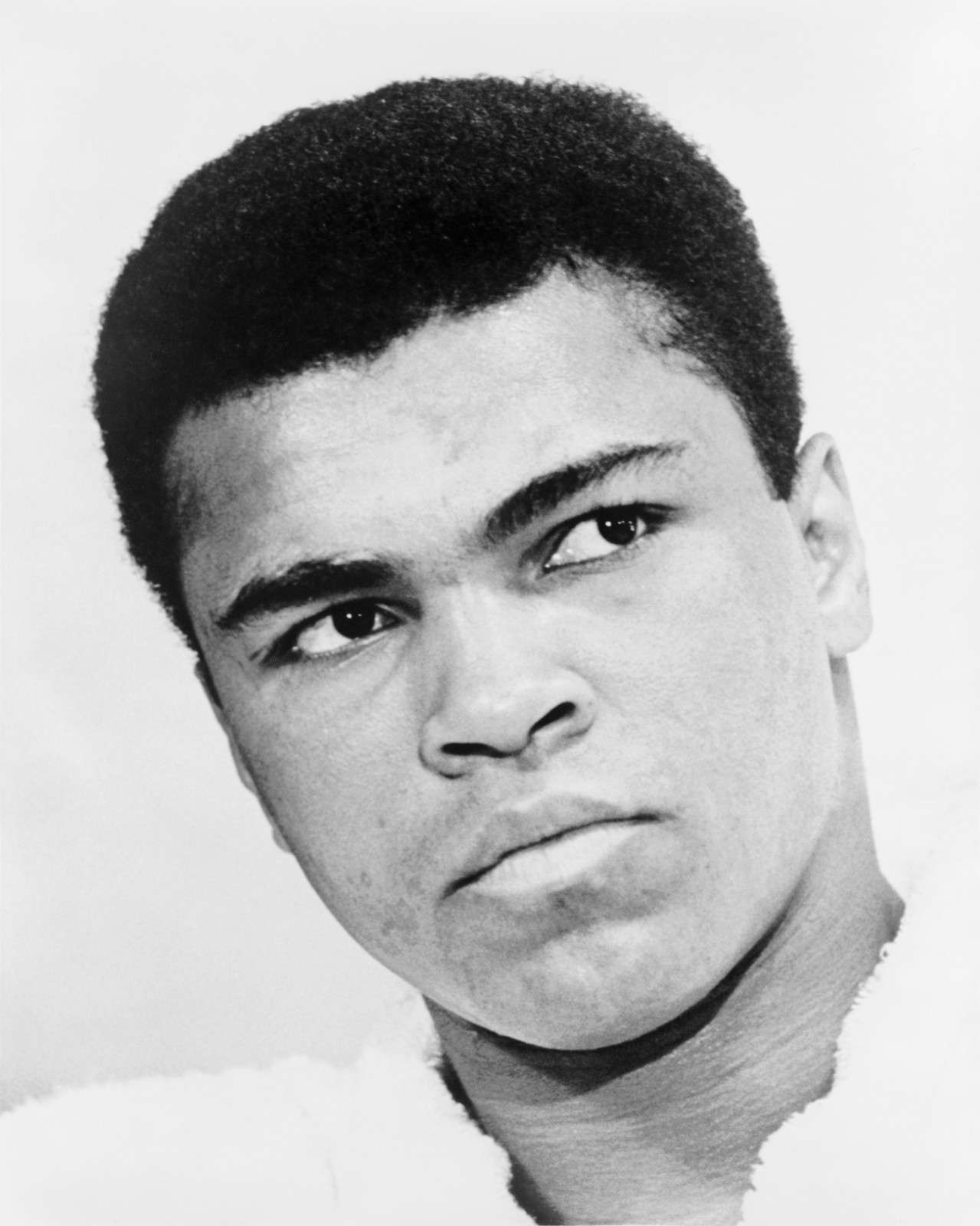
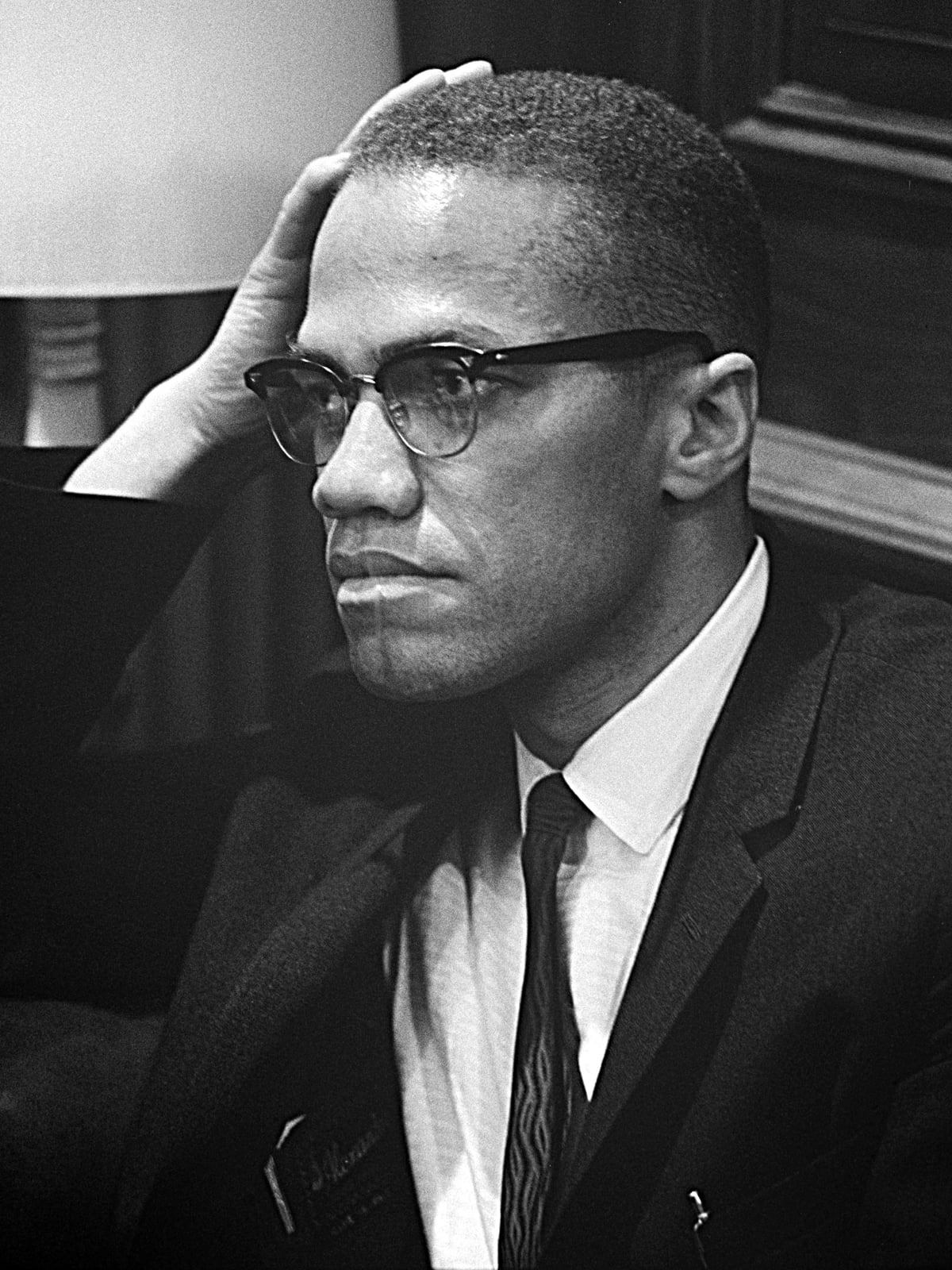
Ira Rosenberg, 1967 — Library of Congress, New York World-Telegram & Sun Collection · Wikimedia Commons (resized/recompressed derivative; see licenseUrl for the original) · Public Domain (pre-1968 work-for-hire; Library of Congress rights advisory: no known copyright restriction)
1942 — Born.
1960 — Won Olympic gold as a light-heavyweight boxer.
1964 — Won the heavyweight title from Sonny Liston; converted to Islam and changed his name from Cassius Clay.
1967 — Refused induction into the U.S. military on religious grounds; stripped of his title and boxing license, convicted of a felony later overturned.
1974 — Returned from a three-and-a-half-year ban to reclaim the heavyweight title, using the "rope-a-dope" strategy against George Foreman.
2016 — Died.
A three-time heavyweight champion who repeatedly sought rematches against top rivals, including Joe Frazier and George Foreman, rather than avoiding difficult opponents, and who returned to boxing after a three-and-a-half-year ban to reclaim the title twice more.
Extensively documented across decades of recorded interviews and press conferences for direct, public, often deliberately provocative self-promotion and pre-fight psychological tactics against opponents.
Significantly adjusted his in-ring fighting style across his career — from early speed-based boxing to the "rope-a-dope" strategy against Foreman as he aged — documented via boxing-historical analysis of his fights.
He converted to Islam and changed his name from Cassius Clay in 1964, and later took the position of refusing military induction, both against near-unanimous public and media condemnation at the time.
Two separate, dated public stances taken against the era's dominant opinion carry more weight for the profile's independent_thinking score than either one alone would. Independent Thinking
He explicitly framed his later-career activism and public statements around broader civil rights and religious identity, not personal athletic legacy alone.
In 1967, he publicly refused induction into the U.S. military on religious grounds, resulting in the loss of his boxing license and heavyweight title and a felony conviction, later overturned, at the height of his athletic career. He sustained the position through a multi-year legal battle and the full ban rather than reversing course.
This is a real, dated cost, not a comfortable stance — losing his title and livelihood at his athletic peak is what the profile's risk_tolerance score is actually pricing in. Risk Tolerance
People whose overall profiles resemble theirs.