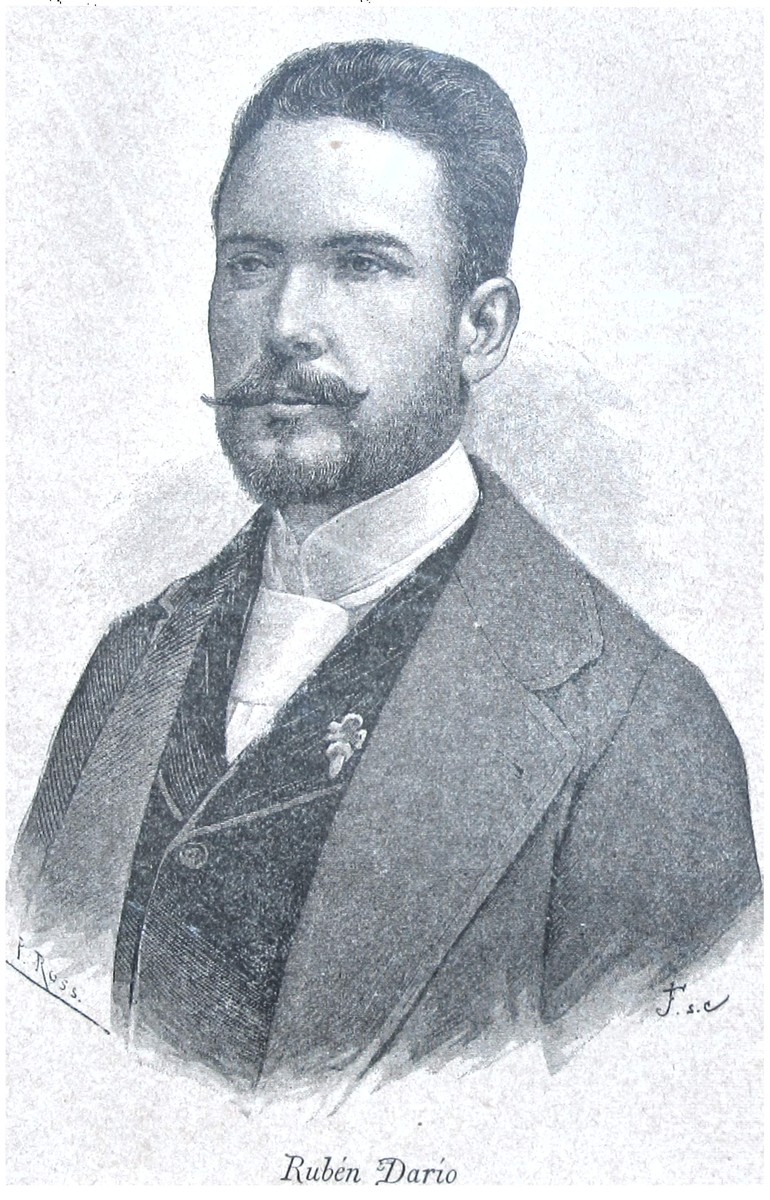
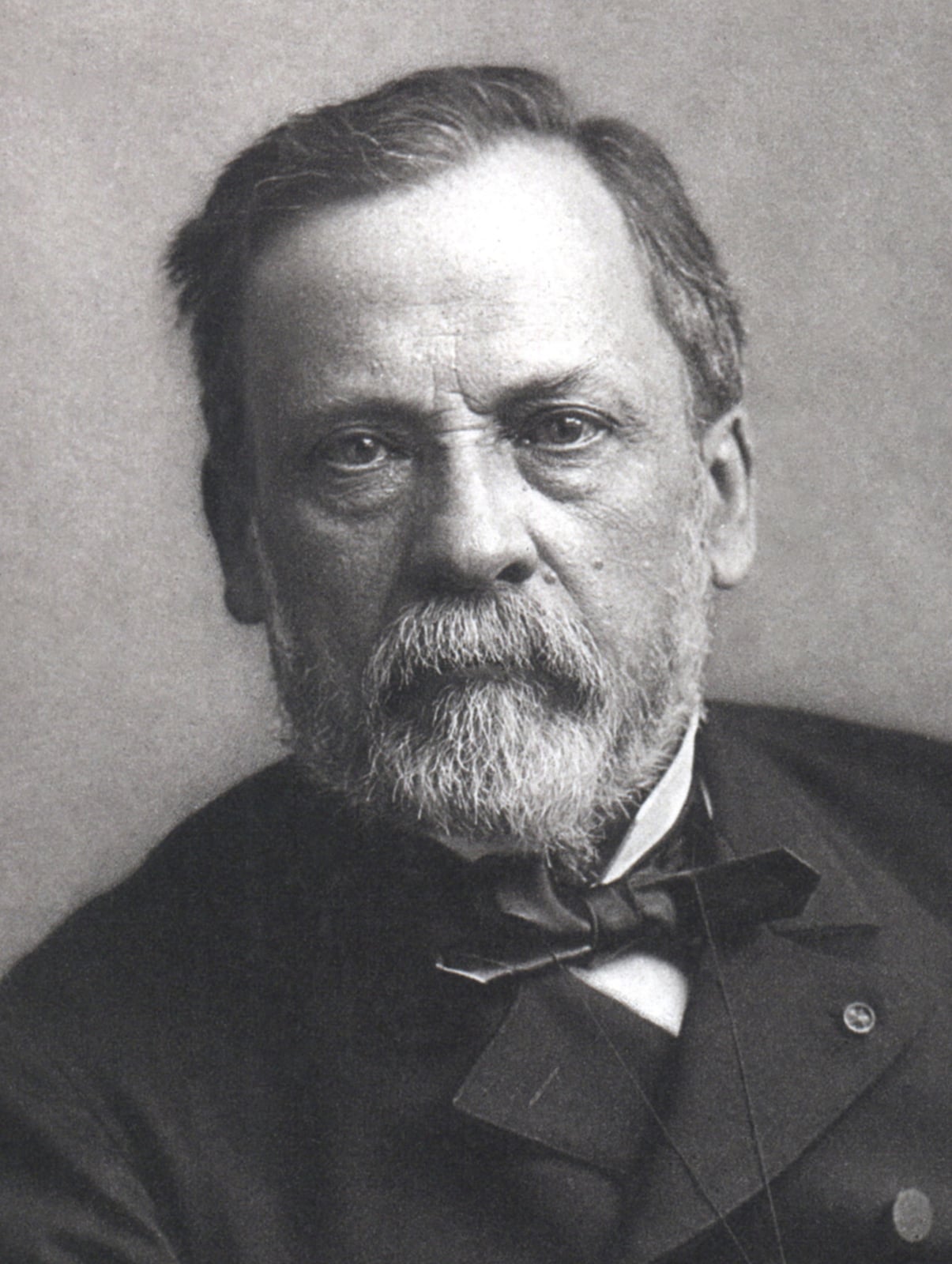
Portrait signed P. Russ, frontispiece of Los raros (Barcelona: Maucci, 1905), Academia Argentina de Letras collection via Wikimedia Argentina · Printed portrait of Rubén Darío, captioned 'Rubén Darío' and signed by its artist (read as P. Russ), used as the frontispiece of Los raros, second edition (Barcelona: Maucci, 1905); scan of the Academia Argentina de Letras copy shared on Wikimedia Commons through Wikimedia Argentina. The page margins were trimmed and the image downscaled from 2360 x 3680 to 770 x 1200 with no upscaling. · Public domain: an illustration printed in a book published in Barcelona in 1905 (before 1931), public domain in the United States by publication date
시인 · 19세기
루벤 다리오
1867–1916
주요 업적 분야
아직 성격 매칭에 포함되지 않았습니다 — 기록된 근거가 성격 모델 전체를 다루기에는 충분하지 않습니다. 이 페이지의 다른 모든 내용은 자유롭게 확인하실 수 있습니다.
핵심 특성
주요 업적
그는 스페인어권 아메리카 모데르니스모를 이끌었다. 칠레에서 쓴 『Azul』(1888)은 화려한 낭만주의 문체에서 벗어난 작품으로 이 운동의 출발점으로 평가되며, 『Prosas profanas』(1896)은 이 운동을 스페인어권 아메리카 전역에 굳혔다.
『Cantos de vida y esperanza』(1905)는 그의 가장 성숙한 시집으로 평가되며, 로르카·네루다·보르헤스·파스는 그를 토대가 된 시인으로 여겼고, 후안 라몬 히메네스와 마차도 형제 같은 젊은 스페인 시인들도 그의 시에 이끌렸다.
그는 칠레의 『라 에포카』와 부에노스아이레스의 『라 나시온』에 꾸준히 글을 쓴 언론인이기도 했고, 『라 나시온』은 1898년 그를 스페인으로 보냈다. 『Los raros』(1896)에서는 그가 존경한 작가들에 관한 에세이를 썼다.
삶의 장면들
1893년 평론가 클라린이 그를 모방일 뿐인 시인이라고 깎아내리자, 다리오는 『라 나시온』에 「Pro domo mea」를 실어 자신은 어느 유파의 수장도 아니며 모방을 권하지 않는다고 답했다.
이는 공개적인 공격을 그냥 넘기지 않고 지면으로 맞서 답하는 모습과 일치한다. 갈등 감내
『Prosas profanas』(1896)에서 그는 리듬과 운율과 소리를 실험했고, 이후에도 이전 작품을 거듭 고쳐 『Azul』의 1905년판이 결정판으로 불린다.
이는 형식을 시험하고 다듬어 가는 대상으로 대하는 모습과 일치한다. 실험 성향
전환점
그는 칠레에서 『Azul』(1888)을 펴내 화려한 낭만주의 문체에서 벗어났고, 이후 판본에 붙은 후안 발레라의 서문은 그에게 아메리카와 유럽 양쪽에서 명성을 안겼다.
이는 새로운 시적 목소리가 그의 경력의 방향을 바꾼 모습과 일치한다. 창의적 독창성
비슷한 인물
전체적인 프로필이 이 사람과 닮은 사람들이에요.


파블로 피카소

라빈드라나트 타고르

프란츠 카프카

루이 파스퇴르

힐데가르트 폰 빙엔
출처
- Rubén Darío (Q173767), verified live via the Wikidata API (2026-11-06): description 'Nicaraguan poet, journalist and diplomat (1867-1916)', born 18 January 1867 (a second entry lists 1869), died 6 February 1916, citizenship Nicaragua, Korean label 루벤 다리오 (Korean Wikipedia article 루벤 다리오). Orientation only; not used as support for any row.
- William Gahan, 'Rubén Darío', EBSCO Research Starters (2024; read). CANONICAL SIGNIFICANCE SOURCE: calls him the most influential Spanish American writer of modernismo, says Azul (1888) broke with ornate Romantic style, Prosas profanas (1896) experimented with rhythm, meter and sound, and Cantos de vida y esperanza (1905) gathered over a decade of work; that Juan Valera's prologues to later editions of Azul brought him fame in the Americas and Europe; that journalism was his steady income across Central America, Buenos Aires and Europe and he wrote for La Nación; that he revised earlier works repeatedly and mixed prose and poetry; and that Lorca, Neruda, Borges and Paz regarded him as foundational although the avant-garde later made modernism seem dated. Its notes on his private life (drinking, relationships, health, death) are excluded from scoring.
- 'Rubén Darío', Encyclopedia of World Biography (Gale, via Encyclopedia.com; no named author; read). Gives the sequence Primeras notas (1885), Azul (1888, written in Chile, 'considered the first book of Spanish American modernism'), Los raros (1896, essays on writers he admired), Prosas profanas (1896), Cantos de vida y esperanza (his most mature collection) and later works judged weaker; says he founded newspapers in El Salvador (1889) and Guatemala (1890), wrote for La Epoca in Chile, was tied to La Nacion of Buenos Aires from 1889 and was sent by it to Spain in 1898; the page's dates for Azul and Cantos differ from the Oxford World Encyclopedia entry it also carries.
- Academy of American Poets, 'Rubén Darío' (poets.org; read). Short biography: left Nicaragua in his late teens for El Salvador and Chile, Colombian consul in Buenos Aires from 1893, left for Europe in 1898 and wrote as a correspondent for La Nación; Azul (1888) 'is often considered' the beginning of Spanish American modernism, Prosas profanas (1896), Cantos de vida y esperanza (1905); quotes Octavio Paz calling him one of the great modern poets. Brief and admiring.
- Laura Scarano, 'Una cristalina muralla de hielo: la resistencia antidariana en Espana' (scholarly article, 2016, Mar del Plata; the journal is not identified in the PDF; read in full). COUNTER-VOICE: studies the resistance Darío met in Spain: Clarin's 1893 dismissal of him as a derivative versifier, Unamuno's reservations about French influence, Cernuda's later hostility, and a racialised mockery as 'indio'; also records his Spanish friendships, his 1892 and 1898 visits (the second as La Nacion's correspondent), and his reply 'Pro domo mea' published in La Nacion. The article concentrates on reception, not on his working habits.
- Ruben Dario, Los raros (second edition, Barcelona: Maucci, 1905; scan from the Academia Argentina de Letras collection shared through Wikimedia Argentina, read for its frontispiece page). Portrait source record for the image used: the printed portrait is captioned 'Ruben Dario' and signed by its artist. Not used as support for any row.