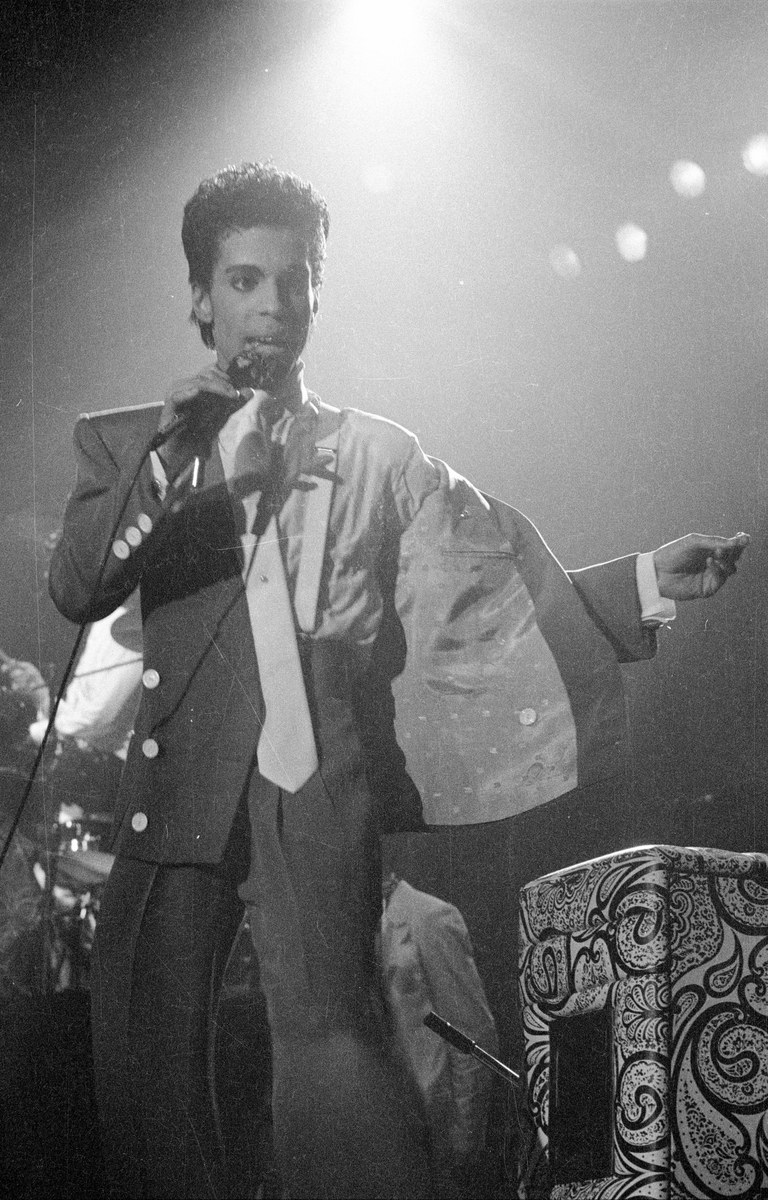

Photo: Yves Lorson, 1986, CC BY 2.0 · Wikimedia Commons, 'Prince Brussels 1986 (retouched).jpg' -- photograph by Yves Lorson of Prince in concert at Forest National, Brussels, 1986 (Flickr photo 182644791), a retouched crop of 'Prince Brussels 1986.jpg'; CC BY 2.0. The base Commons file carries a FlickreviewR pass (6 June 2008, cc-by-2.0). Original of the retouched file 3603 x 5629 pixels (15,336,207 bytes, SHA-1 of the downloaded file computed locally: c9214329befbcb2511ee0b9f2838b9b2bc8f7d6f via sha1sum on the original download); the stored file was downscaled only (768 x 1200), never upscaled. Caveats: the retouching is described on Commons only as a cleaned version of a scanned print (uploader history shows the crop and retouched upload); the Flickr page itself could not be rendered by the fetch (HTTP 404 at check time), so the licence rests on the 2008 Flickr review record on Commons. · CC BY 2.0
음악가 · 현대
프린스
1958–2016
주요 업적 분야
아직 성격 매칭에 포함되지 않았습니다 — 기록된 근거가 성격 모델 전체를 다루기에는 충분하지 않습니다. 이 페이지의 다른 모든 내용은 자유롭게 확인하실 수 있습니다.
핵심 특성
주요 업적
그는 밴드 레볼루션과 함께 「Purple Rain」(1984)을 만들었다. 이 앨범은 12주간 1위를 지켰고 톱10 싱글 다섯 곡을 냈으며, 영화는 아카데미 주제가·음악상을 받았다. 미국 의회도서관 에세이는 이 작품이 미니애폴리스 사운드를 열었다고 평가하며, 앨범은 2011년 국립녹음등록부에 올랐다.
그는 로큰롤 명예의 전당의 표현대로 여러 악기와 장르를 익힌 작곡가이자 연주자로, 록, 펑크, 소울, 팝, 재즈를 결합했다. 자신의 음악 상당 부분을 직접 쓰고 연주하고 녹음했으며, 2004년 로큰롤 명예의 전당에 헌액되었다.
1986년 10월 레볼루션을 해체한 뒤 그는 「Sign o' the Times」(1987)를 사실상 솔로 작업으로 완성했다. 1993년부터는 워너 브라더스와 작품 통제권을 두고 다투며 이름을 기호로 바꿨고, 계약은 2000년에 끝났다.
삶의 장면들
1983년 3월부터 1984년 3월 사이 그는 서른여섯 곡이 넘는 노래를 녹음했는데, 일부는 그가 제작하던 다른 팀을 위한 곡이었고 「Purple Rain」에 들어갈 곡은 그중 일부였다.
이는 매우 빠르고 많은 양을 쏟아내는 작업 방식과 부합한다. 실행 속도
레볼루션의 키보디스트 리사 콜먼은 리허설에서 밴드가 한 그루브를 몇 시간씩 연주했고 그가 드나들며 '멈추지 마! 아무도 움직이지 마!'라고 외쳤다고 회상한다.
이는 혹독하고 지구력을 요구하는 리허설 규율과 부합한다. 자기 규율
전환점
1993년 이름의 저작권을 누가 갖는가를 두고 워너 브라더스와의 분쟁이 정점에 달했을 때, 그는 이름을 기호로 법적으로 바꾸고 얼굴에 '노예'라는 글자를 쓴 채 무대에 섰으며, 계약은 2000년에 끝났다.
이는 판매 감소를 감수하면서까지 자신의 작품에 대한 통제권을 지키려는 강한 욕구와 부합한다. 자율성 욕구
비슷한 인물
전체적인 프로필이 이 사람과 닮은 사람들이에요.


쿠사마 야요이

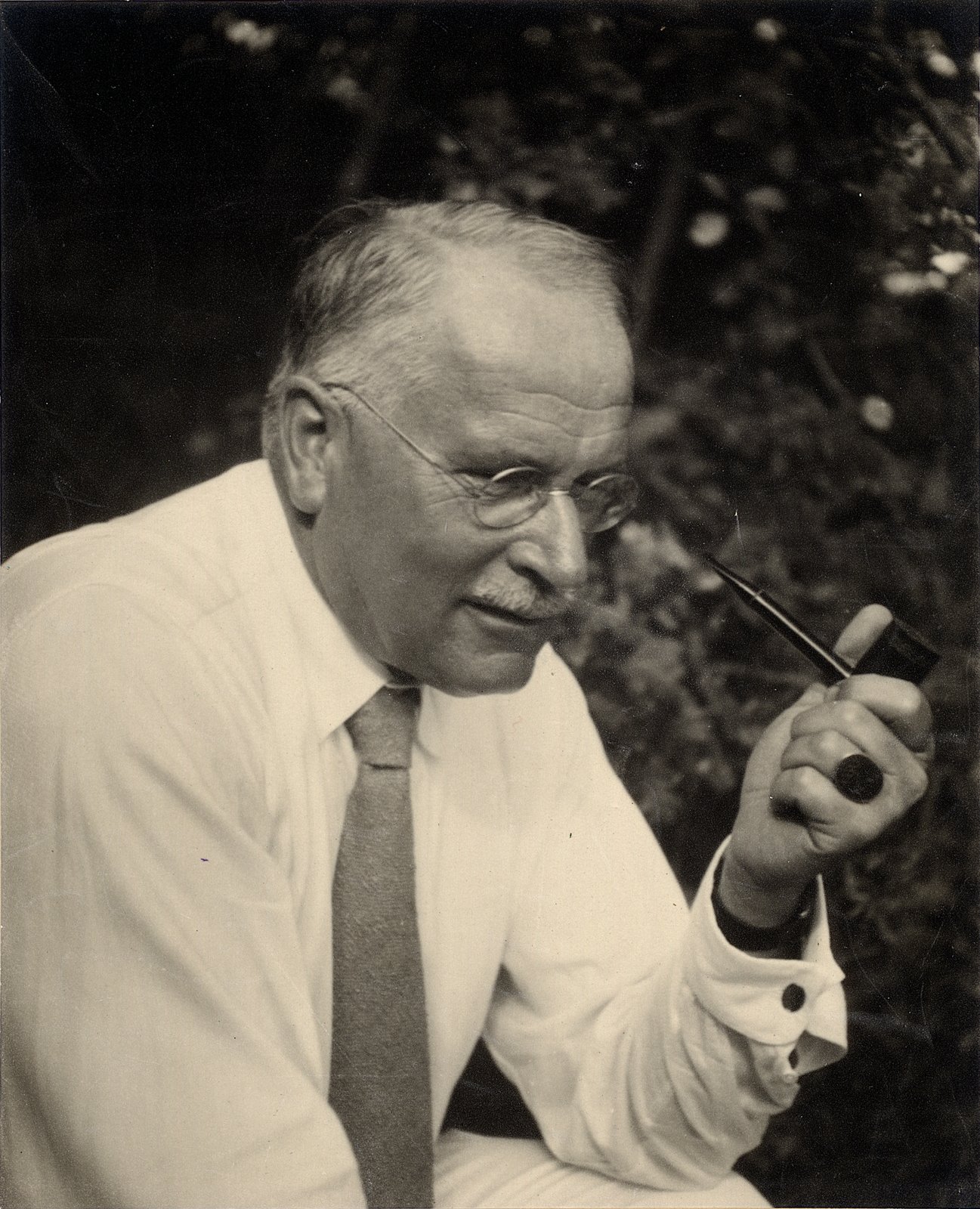
카를 융

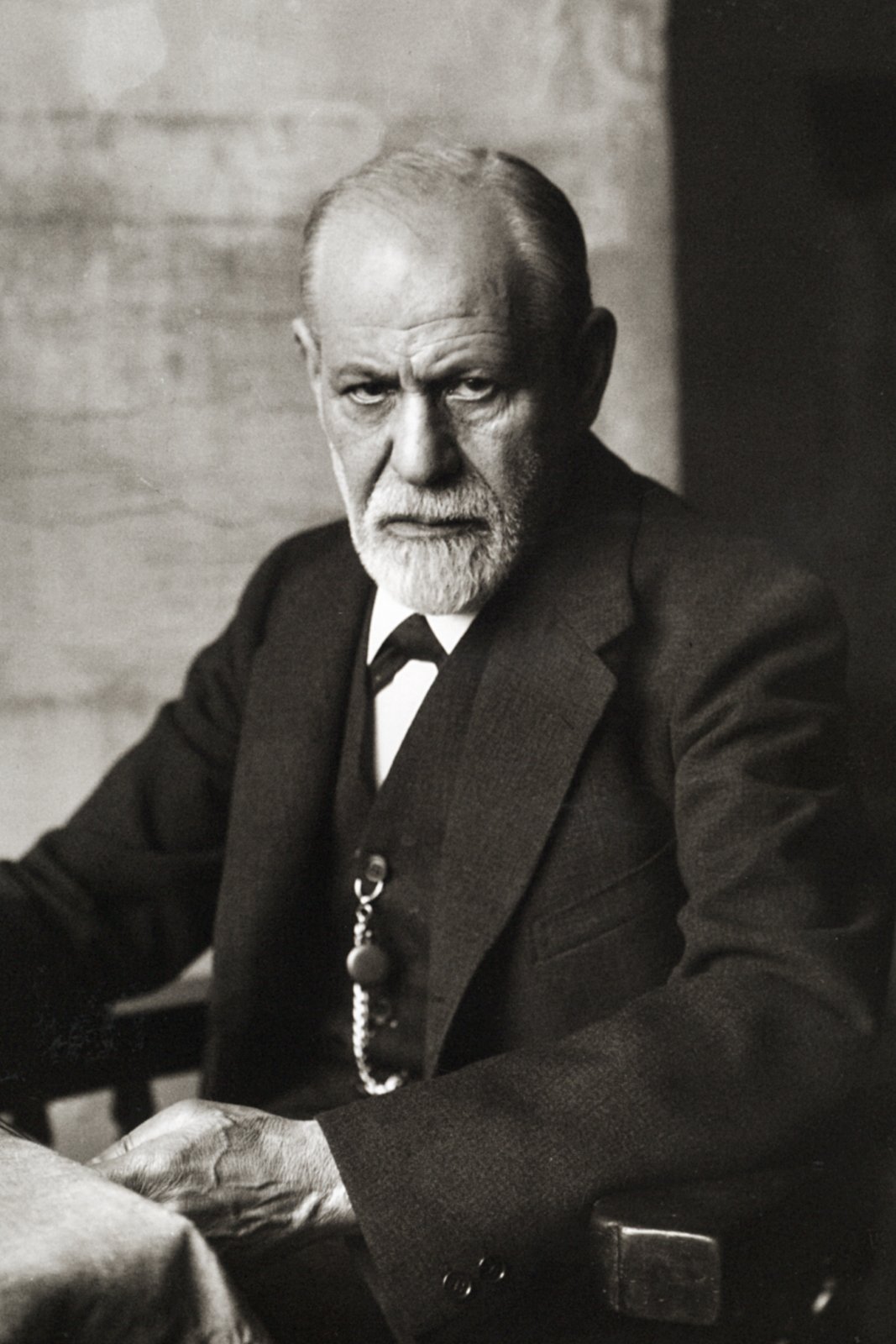
지그문트 프로이트

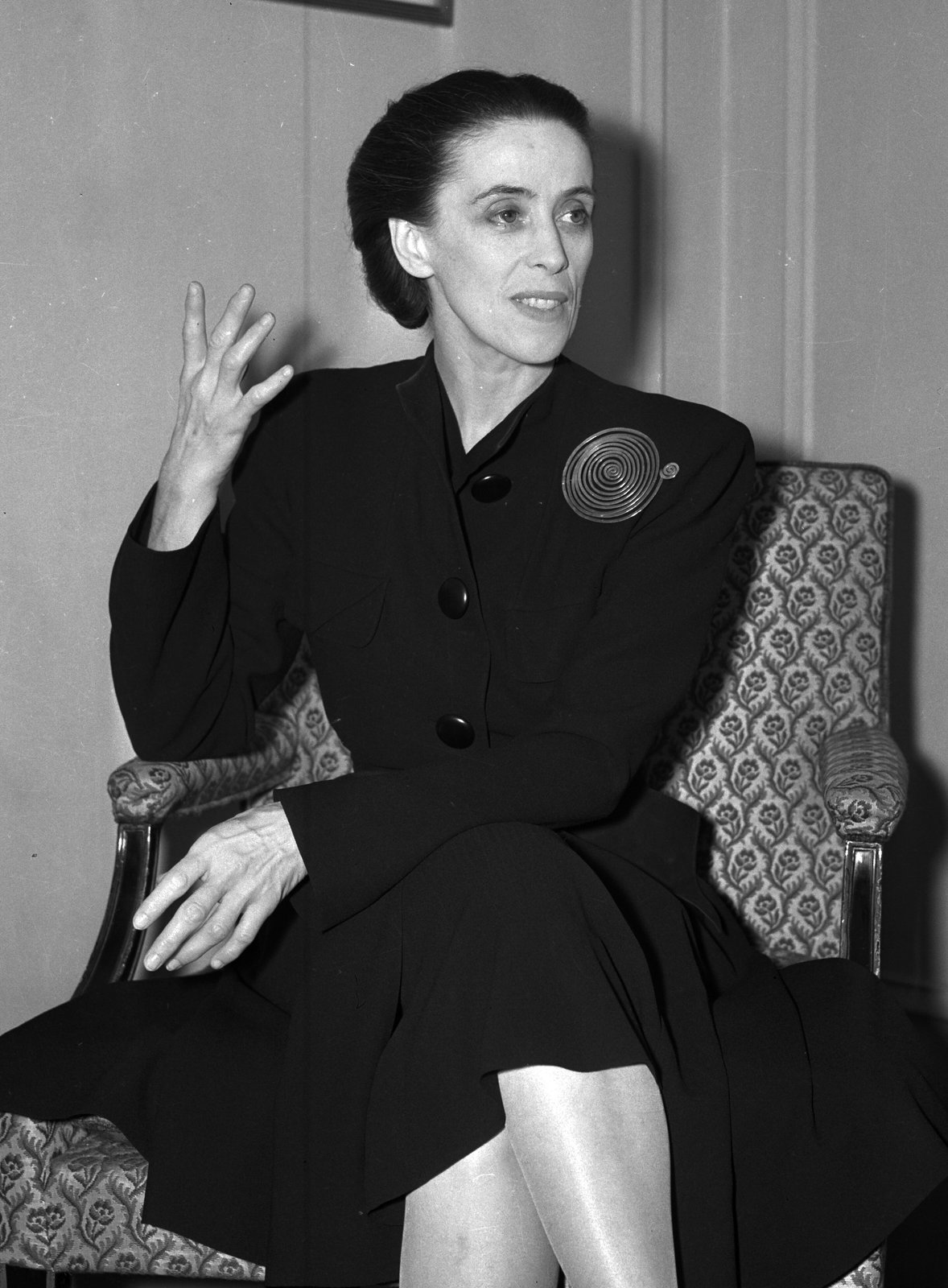
마사 그레이엄

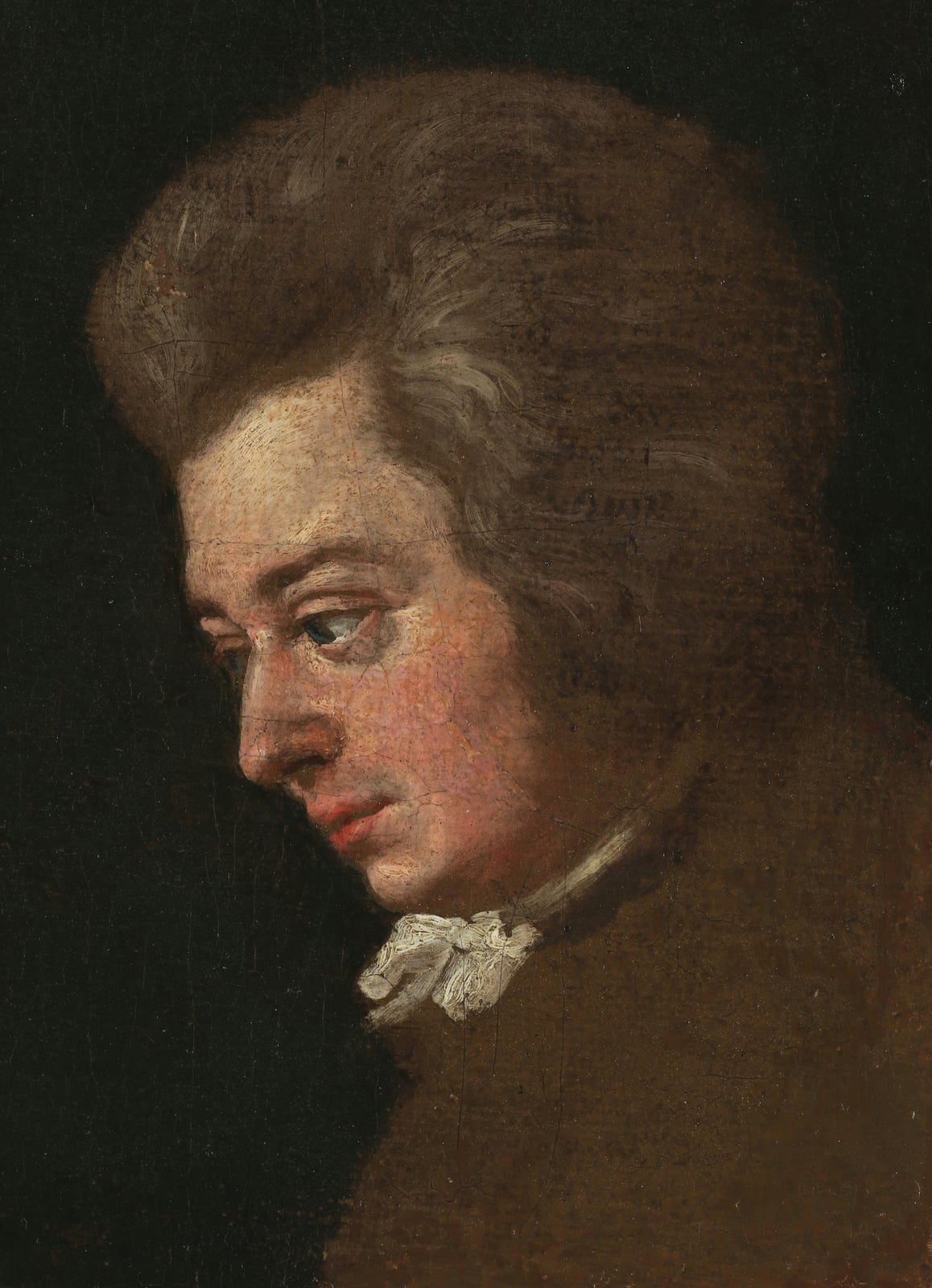
볼프강 아마데우스 모차르트
출처
- Prince (Q7542) -- verified live via the Wikidata API (2026-10-23): English label 'Prince', description 'American musician (1958-2016)', Korean label '프린스', born 7 June 1958, died 21 April 2016, citizenship United States. Orientation only; not used as support for any row.
- Rock and Roll Hall of Fame, 'Prince' inductee biography (rockhall.com): inducted 2004 in the Performer category (inductors Outkast and Alicia Keys); describes him as a composer and performer who mastered multiple instruments and styles, blending rock, funk, soul, pop and jazz; lists the Cloud guitar built for the film Purple Rain; names artists who influenced him (James Brown, Parliament-Funkadelic, Sly and the Family Stone, Joni Mitchell, Jimi Hendrix Experience, Stevie Wonder and others) and artists he influenced; quotations from Alicia Keys and Rob Bowman. CANONICAL SIGNIFICANCE SOURCE (with the Library of Congress essay). Hall-of-fame narrative, admiring. Read through a page-extraction tool (not a verbatim reading); its 'Nothing Compares 2 U' dating is inconsistent and was not used.
- Eddie Santiago, 'Purple Rain -- Prince (1984)', guest essay for the Library of Congress National Recording Registry (album added 2011; PDF on loc.gov), read in full: recording sessions March 1983 to March 1984 yielded more than three dozen songs, some for other acts he was producing; the instruments used (Oberheim and Yamaha synthesizers, Linn drum machine, Hohner Telecaster); the Revolution played on five of nine tracks and the basic tracks for three songs came from an August 1983 First Avenue performance, while the essay says he could make a track such as 'When Doves Cry' entirely alone; album 12 weeks at number one, five top-ten singles, nine million US copies by 1985; the film grossed $70 million and won an Academy Award for Best Song Score; he disbanded the Revolution in October 1986 and Sign o' the Times became a solo album; strained relationships with several former associates. CANONICAL SIGNIFICANCE SOURCE (with the Rock Hall page). Guest essay by an outside author (the page states the views are not the Library's); admiring and retrospective; its remarks on his religious beliefs, relationships and death were not used.
- Torsten Schmidt, 'Susan Rogers on Working with Prince', Red Bull Music Academy Daily, 7 June 2017 (interview based on Rogers's 2016 lecture): engineer Susan Rogers on joining in 1983; sessions of 16 to 24 hours, overdubbing and mixing as he went, never wanting to return to a song; his saying 'we go fast, we make mistakes'; her view that he was 'not a perfectionist'; an instrument always in his hand; recording the band live in a rehearsal warehouse; preferring few people and recording vocals alone; the hot console setting on 'If I Was Your Girlfriend' that he kept; the long soundchecks on tour. Engineer's own recollection (admiring but candid, one voice); counted as ONE perspective with the two other Rogers pieces. Health and drug remarks were not used. Read through a page-extraction tool.
- Andrea Swensson, 'Susan Rogers on working with Prince in the studio', The Current (Minnesota Public Radio), 20 April 2018: Rogers on his speed (a song a day at times, more in a week than most bands in a month), basic tracks cut with the band at rehearsal and finished at home, working alone when on tour or in Los Angeles because playing every part was faster than directing others, lead vocal first and then building harmonies, innovation arising from speed rather than a hunt for new technology, a consistent set of older tools, and not chasing rap or outside producers. Public-radio feature built on one engineer's testimony; the interview details on his personal preferences were not used. Read through a page-extraction tool.
- Chris Williams, interview with Susan Rogers on Sign o' the Times, Wax Poetics (online 18 April 2021, from issue 67): the album grew out of the shelved projects Camille, Dream Factory and Crystal Ball; Warner Bros. was unwilling to release a three-record set; sessions of 18 to 24 hours between his home studio and Sunset Sound; drums first, then bass, keys and guitar, lead vocals alone in the control room; mixing alongside overdubs; 'U Got the Look' reworked for days, unusual for him; backwards drums on 'Starfish and Coffee'; older vault tracks used to complete the record; Rogers's own critical remarks (she thought 'The Cross' drums were sloppy but he was satisfied). Engineer's account (one voice, with the other Rogers pieces). Read through a page-extraction tool.
- Andy Price, 'Lisa Coleman on how Prince insisted on perfection from his Revolution bandmates', MusicRadar (undated page quoting a 2019 interview), read in full: Revolution keyboardist Lisa Coleman on rehearsals from about ten in the morning until night, playing one groove for hours while he called 'Don't stop! Nobody move!', hand signals and a handkerchief cue during shows, a setlist that changed nightly, parts handed out at rehearsal on some days and 'groove in E' on others, his turning a preset synth patch brighter, and the Revolution being one of the only times he drew from other people's sound. Bandmate's account (admiring, retrospective); the magazine's own framing of 'relentless practice' is the editor's and was not used as evidence.
- Nicolas Medina Mora, 'How Prince Pioneered The Fight For Independence From Record Labels', BuzzFeed News, 21 April 2016: a contentious relationship with Warner Bros. peaking in 1993; his anger that the label owned the copyright to his name and his legal change of name to a symbol; performing with 'SLAVE' on his face; releasing albums of previously recorded material to leave the contract sooner while Warner argued he was saturating the market; The Gold Experience (1995) selling under 500,000 copies against more than 13 million for Purple Rain; the contract expiring in 2000 and the name reverting. Journalist's piece that largely follows his account, with Warner's market-saturation argument as the only counter-view; masters ownership and NPG Records are not covered. Read through a page-extraction tool.
- Wikimedia Commons file pages 'Prince Brussels 1986 (retouched).jpg' and 'Prince Brussels 1986.jpg' (with the Commons API record and the Flickr source page) -- checked for the portrait: photograph by Yves Lorson, Forest National, Brussels, 1986; CC BY 2.0; the base file carries a Flickr licence-review pass dated 6 June 2008.